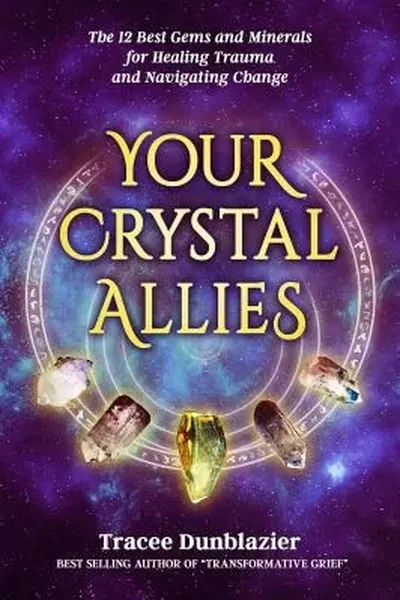
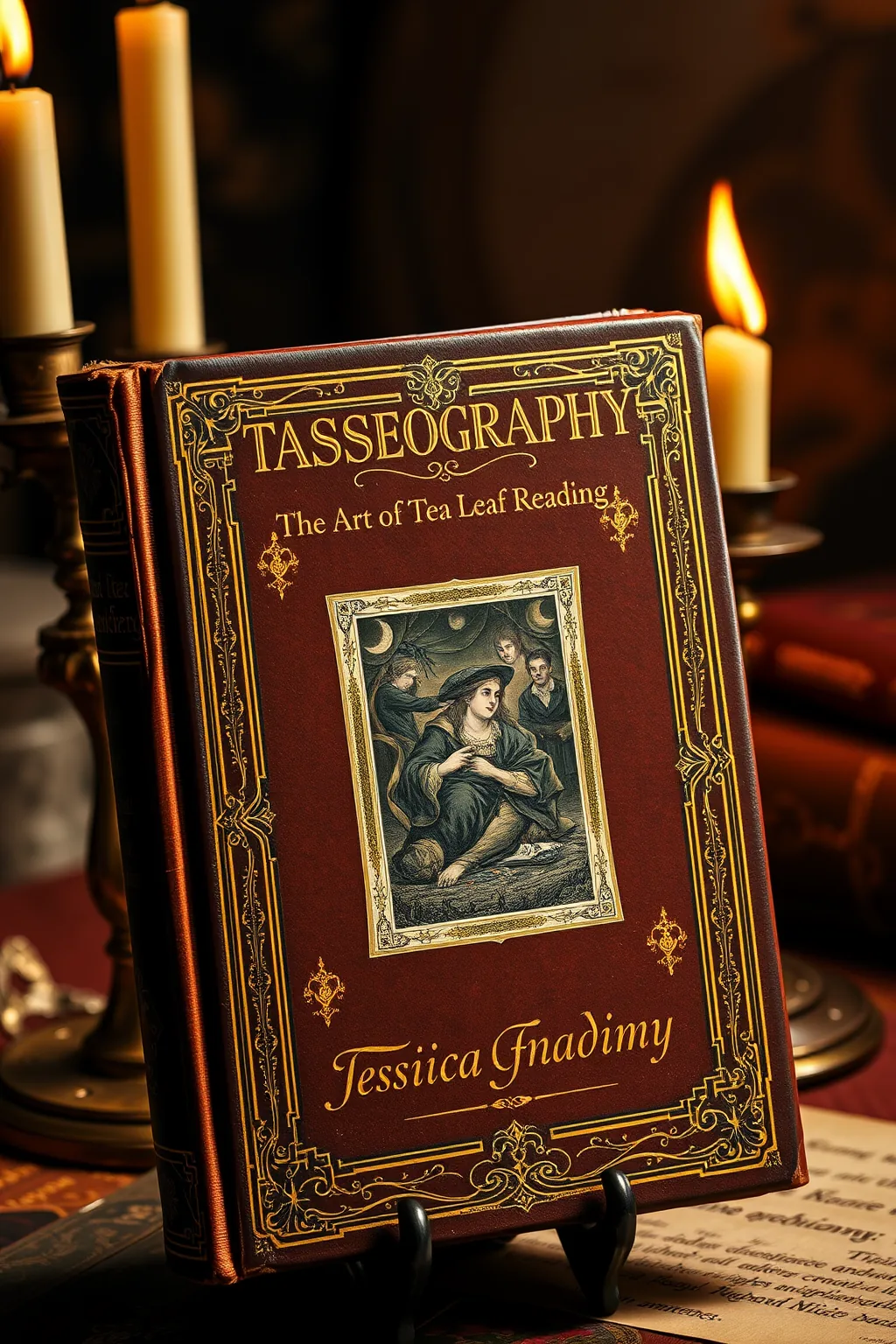
Tasseography - the Art of Tea Leaf Reading
 61
61

Tasseography - the Art of Tea Leaf Reading



Sophia Crane (Associate Editor): Jessica R. Anderson's 'Tasseography' is a luminous exposition of a truly esoteric art. Moving beyond superficial interpretations, Anderson delves into the rich symbolic lexicon and historical lineage of tea leaf reading, offering practitioners a pathway to profound intuitive development. The book elegantly bridges ancient wisdom with accessible practice, making complex concepts comprehensible without sacrificing their mystical depth. Its strength lies in its comprehensive approach, guiding readers from the foundational elements of symbolism to the nuanced art of intuitive interpretation. This is an indispensable text for anyone seeking to integrate tasseography into their spiritual toolkit, offering not just a method, but a deeper understanding of cosmic interconnectedness.
📝 Description
61
Jessica R. Anderson's 2017 book, 'Tasseography - the Art of Tea Leaf Reading,' deciphers the symbolic language of tea leaves.
This book examines the practice of tasseography, the art of divination using tea leaves. It details how to interpret the patterns and shapes left in a teacup to gain insight into past, present, and future events. Anderson explains the esoteric principles behind this practice, suggesting that the ephemeral forms in the cup can reflect an individual's inner state and potential paths. The text aims to guide readers in transforming the simple act of drinking tea into a contemplative ritual. It encourages the development of intuition and inner perception to understand the subtle messages conveyed by the tea leaves. The goal is to provide clarity and a sense of connection to larger cosmic forces through this ancient method.
Tasseography fits within a broad category of divinatory practices found across many cultures. These traditions often involve interpreting natural phenomena or everyday objects to understand hidden meanings or predict future occurrences. Similar to scrying with water or interpreting bird flight patterns, tea leaf reading uses visual symbols formed by residue to communicate insights. Anderson's work places this practice within a lineage of symbolic interpretation, connecting it to a desire to find meaning and guidance in the patterns of existence. It is a method that requires attention to detail and an open mind to perceive the symbolic language.
💡 Why Read This Book?
Uncover the profound oracular power hidden within your daily tea ritual. 'Tasseography' by Jessica R. Anderson offers a gateway to ancient wisdom, revealing the symbolic language of tea leaves to illuminate your path. Ideal for spiritual seekers, aspiring diviners, and anyone fascinated by the esoteric, this book provides practical guidance and deep philosophical insights. Learn to interpret the whispers of the universe, enhancing intuition and fostering a deeper connection to hidden truths. Transform your tea break into a sacred moment of divination and self-discovery.
⭐ Reader Reviews
Honest opinions from readers who have explored this book.
❓ Frequently Asked Questions
What is Tasseography?
Tasseography is the ancient art of divination using tea leaves, where patterns formed in a teacup are interpreted to reveal insights into the past, present, and future. It's a practice deeply rooted in symbolism and intuition.
What kind of tea is best for reading?
Loose-leaf teas, particularly those with smaller, more defined leaves like black tea, are traditionally preferred. However, the focus is on the patterns formed, making most teas suitable for interpretation.
Do I need special equipment?
Beyond a teacup and your preferred loose-leaf tea, no special equipment is strictly necessary. A keen eye, an open mind, and a willingness to connect with intuition are the most vital tools.
How long does it take to learn?
While basic interpretation can be learned quickly, mastering the art of tasseography, like any intuitive practice, requires patience, consistent practice, and a deep engagement with symbolism and personal insight.
Can tasseography predict the future definitively?
Tasseography is more about illuminating possibilities and offering guidance rather than dictating a fixed future. It helps one understand current energies and potential outcomes, empowering informed choices.
🔮 Key Themes & Symbolism
The Language of Symbols
This book examines the body of symbols revealed in tea leaves, exploring their historical and archetypal meanings. From common shapes like hearts and stars to more abstract formations, each symbol acts as a conduit for cosmic messages. Anderson guides readers to understand how these visual cues can reflect emotional states, upcoming challenges, and hidden opportunities, fostering a deeper connection to the universal language of the divine. It emphasizes that true understanding comes from intuitive resonance and personal connection to these ancient glyphs.
Intuition as an Oracle
Fundamentally, tasseography is an exercise in cultivating and trusting intuition. Jessica R. Anderson posits that the patterns in tea leaves are not random but are perceived and interpreted through the intuitive faculty. The book provides practical exercises designed to sharpen this inner perception, encouraging readers to move beyond literal interpretations and embrace the subtle whispers of their own inner knowing. It highlights how the act of brewing and observing tea becomes a meditative practice, opening channels for psychic awareness and profound self-discovery.
Ritual and Sacred Practice
Anderson elevates the simple act of drinking tea into a sacred ritual, a deliberate engagement with the mystical. The book details how to prepare the space, the tea, and oneself for a meaningful divination session. This focus on ritual imbues the practice with reverence and intention, transforming it from a casual pastime into a powerful tool for spiritual growth and connection. By honoring the process, practitioners are invited to tap into deeper energies and receive more profound guidance from the unseen realms.
💬 Memorable Quotes
Direct passages from the work, attributed to the author.
“Every swirl is a story, waiting for an ear to listen.”
— This highlights the narrative potential within the patterns of tea leaves, suggesting that the act of reading is about unlocking and understanding these unfolding cosmic tales.
“The future is not etched in stone, but painted in steam.”
— This suggests that potential futures are fluid and influenced by present actions and energies, offering a hopeful perspective on destiny that can be guided.
“Intuition is the compass guiding us through the leafy labyrinth.”
— This underscores the paramount importance of inner guidance in interpreting the complex symbols and patterns found in tasseography, positioning intuition as the primary tool.
“In the quiet after the sip, wisdom begins to unfurl.”
— This points to the meditative aspect of tea leaf reading, suggesting that the most clear insights are often gained during moments of stillness and reflection following the divination.
💡 Key Ideas
Editorial paraphrase of the work's core concepts — not direct quotes.
The cup holds not just leaves, but the traces of intention.
This quote emphasizes that the energy and thoughts the reader brings to the divination process are as crucial as the tea leaves themselves, shaping the messages received.
🌙 Esoteric Significance
Tradition
Tasseography is deeply interwoven with traditions of scrying and augury, ancient methods of divination that seek to interpret divine will or future events through observable phenomena. Its practice echoes elements found in classical divination, such as interpreting entrails or bird flight patterns, but translates this desire for cosmic connection into the domestic realm. It aligns with Hermetic principles of "as above, so below," suggesting that the micro-patterns within a teacup reflect macrocosmic energies and events, acting as a tangible link to the unseen forces shaping existence.
Symbolism
The symbolism in tasseography is vast and many-sided, drawing from archetypal imagery common across cultures and esoteric systems. Shapes can represent abstract concepts, emotions, or concrete situations: a snake might symbolize transformation or deception, a bird freedom or a message, and a heart love or emotional matters. The density and placement of leaves also carry meaning, indicating the urgency or proximity of an event. Understanding these symbols requires not just memorization but an intuitive grasp of their resonance within the context of the querent's life.
Modern Relevance
In our hyper-connected yet often disembodied modern world, tasseography offers a grounding, tangible practice for reconnecting with intuition and the natural rhythms of life. It provides a mindful pause, a deliberate ritual that counteracts the incessant digital noise. For many, it serves as a personal oracle, offering guidance and self-reflection in a way that feels both ancient and deeply relevant. The art continues to evolve, with contemporary readers incorporating personal symbolism and psychological insights, proving its enduring capacity to offer comfort, clarity, and a sense of wonder.
👥 Who Should Read This Book
This useful text is a treasured resource for a diverse array of seekers. **Beginners** will find a clear, step-by-step introduction to the fundamental principles and common symbols, making the art accessible and enjoyable. **Aspiring diviners and practitioners** will discover advanced techniques, deeper symbolic meanings, and methods for honing their intuitive abilities. **Scholars of esoteric traditions** will appreciate the historical context and philosophical underpinnings of this ancient practice. **Anyone seeking greater self-awareness, guidance on life's crossroads, or a more profound connection to the subtle energies of the universe** will find 'Tasseography' to be an invaluable companion on their journey.
📜 Historical Context
Tasseography, with roots stretching back to ancient China and flourishing in various forms across Europe and the Middle East, gained significant traction during the 18th and 19th centuries. This era, often termed the Victorian age, was marked by a profound fascination with the occult, spiritualism, and esoteric practices. As tea became increasingly accessible to the middle classes, the ritual of reading tea leaves in the dregs of a cup evolved from a folk custom into a popular parlour game and a serious divinatory art. This period saw the codification of many symbols and interpretations, influenced by Romanticism's embrace of nature's mysteries and a burgeoning interest in Eastern philosophies. The practice offered a sense of control and insight in a rapidly changing world, serving as a clandestine avenue for women, in particular, to explore agency and foresight.
📔 Journal Prompts
Reflect on a recurring symbol you see in your tea leaves. What personal meaning does it hold for you today?
Describe a recent challenge or decision you faced. How might the patterns in your tea leaves offer insight or guidance?
What is your intention for your next tea leaf reading session? How can you prepare your mind and spirit?
Explore the connection between the physical sensation of drinking tea and the intuitive messages you receive.
If a particular tea leaf formation could speak, what advice would it offer to your present self?
🗂️ Glossary
Augury
An ancient form of divination that involves observing and interpreting omens, often through natural phenomena such as bird flight or celestial events, to predict future outcomes.
Divination
The practice of seeking knowledge of the future or the unknown by supernatural means. It encompasses a wide range of methods used to gain insight and guidance.
Esoteric
Intended for or likely to be understood by only a small number of people with a specialized knowledge or interest; relating to or concerned with the occult or mystical.
Querent
The person for whom a divination reading is performed. Their questions, concerns, or life circumstances are the focus of the interpretation.
Scrying
A form of divination that involves gazing into a reflective surface, such as a crystal ball, mirror, or water, to receive visions or insights from the spiritual realm.
This book appears in 1 collection
🔮 Readers Also Liked
Browse all →









More by Jessica R. Anderson
All books →
From the “Tea Leaf Reading” Collection
View all →



More Free Divination & Tarot Books
View all →