Medieval numerology
 61
61

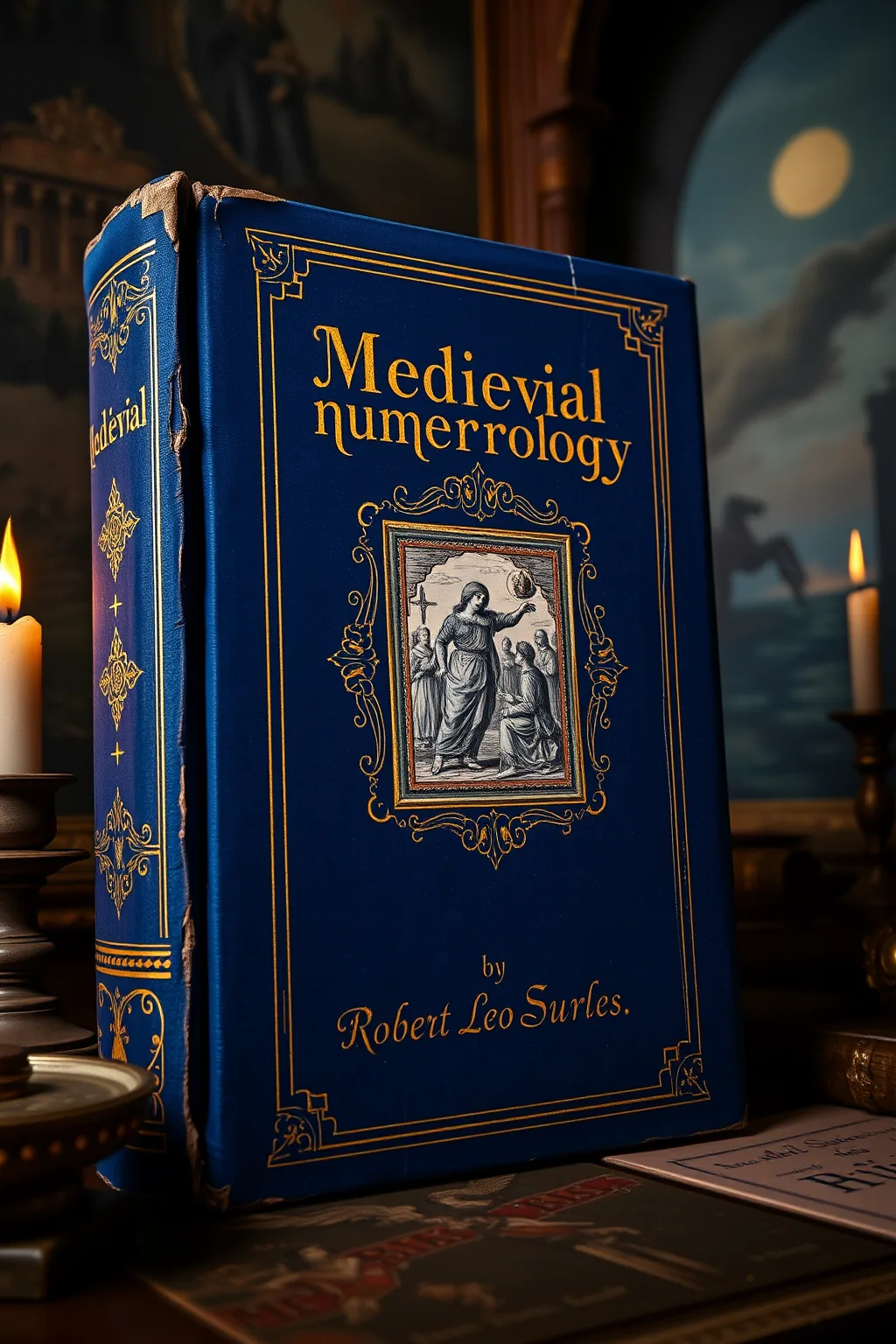
Medieval numerology



Celeste Moreau (Divination & Symbolism Reviewer) — Robert Leo Surles' 'Medieval Numerology' is a masterful exposition of a forgotten esoteric art. Surles expertly deciphers the complex symbolic language of numbers, demonstrating their integral role in medieval thought, from sacred geometry to spiritual allegory. The book offers profound insights into how medieval scholars perceived the universe as a divinely ordered system, with numbers acting as the architects of creation. Its strength lies in its clear exposition of complex ideas, making it accessible yet deeply rewarding for students of history, occultism, and religious studies. This is an indispensable resource for anyone seeking to understand the intellectual and spiritual landscape of the Middle Ages through its most fundamental symbolic language.
📝 Description
61
Robert Leo Surles' 1998 book examines how numbers functioned as symbolic keys in the medieval world.
In Medieval Numerology, Robert Leo Surles investigates the symbolic use of numbers during the Middle Ages. This research details how numerical concepts permeated medieval philosophy, theology, and everyday existence. Surles shows that numbers were understood not just as quantities but as instruments for understanding divine structure and hidden truths.
The book reconstructs the intellectual environment of the period, where numerical patterns held significant meaning. It discusses the philosophical weight of these patterns and how they offered a specific viewpoint on the medieval search for purpose. Surles' work aims to clarify the esoteric dimensions of medieval thought and its lasting impact.
This work sits within the tradition of Western esotericism, which often examines hidden or symbolic meanings in religious and philosophical texts. Medieval numerology itself draws from ancient Greek traditions, particularly Pythagoreanism, and later influenced Kabbalistic thought. Surles' book connects these historical threads, showing how a specific system of number interpretation was integral to how some medieval thinkers understood the cosmos and spiritual reality. It highlights a departure from purely quantitative understanding towards a qualitative and symbolic one.
💡 Why Read This Book?
Uncover the secret numerical codes that underpinned medieval society and its spiritual worldview. 'Medieval Numerology' offers a unique gateway to understanding the hidden order perceived by our ancestors. Ideal for scholars seeking historical depth, spiritual seekers exploring ancient wisdom traditions, and practitioners looking to enrich their understanding of symbolism. Embark on a fascinating intellectual and mystical journey.
⭐ Reader Reviews
Honest opinions from readers who have explored this book.
❓ Frequently Asked Questions
What is medieval numerology?
Medieval numerology is the study and interpretation of the symbolic and spiritual meanings attributed to numbers within the cultural and intellectual context of the Middle Ages. It was seen as a divine language revealing cosmic order and hidden truths.
How did medieval scholars use numbers?
Scholars used numbers for theological interpretation, philosophical inquiry, astronomical calculations, and to understand the divine architecture of the universe. Numbers were believed to hold inherent mystical properties and allegorical significance.
Is this book for beginners?
Yes, while rich in detail, the book aims to be accessible to those new to numerology. It provides foundational understanding alongside in-depth exploration, making it suitable for both curious newcomers and seasoned scholars.
What is the connection between numerology and medieval religion?
Numerology was deeply intertwined with medieval Christianity, used to interpret scripture, understand divine attributes, and structure religious thought. Numbers like the Trinity (3) and perfection (7) held profound theological weight.
Where can I learn more about medieval symbolism?
This book serves as an excellent starting point. Further exploration can involve studying medieval art, architecture, philosophy, and religious texts, all of which often incorporate numerical symbolism.
🔮 Key Themes & Symbolism
The Divine Architecture of Creation
This theme explores how medieval thinkers viewed numbers as the fundamental building blocks of the cosmos, mirroring divine order and intention. It examines the belief that the universe was meticulously crafted according to numerical principles, from the celestial spheres to the smallest earthly forms. Understanding these numerical patterns was seen as a path to comprehending God's plan and the inherent harmony of existence, revealing a universe imbued with spiritual significance accessible through numerical contemplation.
Numbers as a Sacred Language
This theme examines numbers not as inert quantities but as a vibrant, sacred language capable of conveying profound spiritual truths and allegorical meanings. It explores how specific numbers, such as the perfection of seven or the divine unity of one, were imbued with rich theological and philosophical significance. This sacred language served as a vital tool for interpreting scripture, understanding mystical experiences, and articulating complex theological doctrines, bridging the gap between the material and the divine.
The Esoteric Underpinnings of Medieval Life
This theme uncovers the pervasive influence of numerological thought on various aspects of medieval civilization, extending beyond academic circles into art, architecture, and even daily practices. It reveals how esoteric knowledge of numbers informed the design of cathedrals, the composition of sacred music, and the interpretation of dreams and omens. The book demonstrates that numerology was not merely an abstract intellectual pursuit but a living tradition that shaped the medieval worldview and its perception of reality.
💬 Memorable Quotes
Direct passages from the work, attributed to the author.
“In every digit, a universe of meaning resides.”
— This highlights the profound symbolic depth attributed to individual numbers, suggesting each carries a microcosm of cosmic wisdom and esoteric significance.
“The medieval mind saw patterns where we often see chaos.”
— This speaks to the historical difference in perception, emphasizing how numerology provided a framework for finding order and meaning in the world.
“To count is to commune with the sacred.”
— This suggests that the act of calculation and understanding numerical relationships was a spiritual practice, a form of connection with the divine.
“The silent language of numbers spoke louder than any sermon.”
— This emphasizes the power and pervasiveness of numerical symbolism in conveying spiritual and philosophical truths during the Middle Ages.
💡 Key Ideas
Editorial paraphrase of the work's core concepts — not direct quotes.
Numbers are the keys that unlock the divine architect's blueprint.
This quote expresses the core belief that numerical relationships reveal the underlying structure and intelligence of creation, as designed by a divine entity.
🌙 Esoteric Significance
Tradition
Medieval numerology draws from a collection of esoteric traditions, primarily rooted in Pythagoreanism, Neoplatonism, and Gnosticism, all filtered through the lens of medieval Christian theology. It represents a synthesis where abstract numerical relationships were seen as direct manifestations of divine will and cosmic order, serving as a bridge between the material and spiritual realms.
Symbolism
Key symbols include the perfection of the Trinity (3), the divine completeness of the Tetractys (10), the spiritual journey represented by 7, and the universal order embodied by 12. These numbers and many others were not mere quantities but potent carriers of allegorical and theological meaning, used to interpret scripture, understand the heavens, and structure sacred spaces.
Modern Relevance
In contemporary esoteric thought, medieval numerology offers a profound historical perspective on the enduring human fascination with numerical patterns and their connection to consciousness and the universe. It provides a rich source of symbolism for modern practitioners of divination, spiritual seekers, and those interested in the historical roots of occult philosophies, reminding us of the potential for deeper meaning embedded in numerical structures.
👥 Who Should Read This Book
This book is an invaluable resource for a diverse audience. **Beginners** curious about the esoteric history of numbers will find a clear and engaging introduction. **Scholars** of medieval history, religious studies, and philosophy will appreciate the rigorous research and nuanced analysis. **Spiritual seekers** drawn to ancient wisdom traditions will discover a profound system of symbolic understanding. **Practitioners** of divination and symbolism will gain a deeper appreciation for the historical roots and rich allegorical layers of numerical interpretation.
📜 Historical Context
The Middle Ages (roughly 5th to 15th centuries) was a period deeply steeped in religious faith and a hierarchical understanding of the cosmos. Numerology flourished within this environment, heavily influenced by Neoplatonism, Pythagorean thought, and Christian theology. Scholars in monasteries and universities saw numbers as a divine language, a reflection of God's perfect order. This fascination permeated art (e.g., cathedral geometry), architecture, music, and philosophical discourse. It provided a framework for understanding everything from the seven days of creation to the symbolic significance of the number twelve in biblical contexts. The desire to decipher these numerical patterns was a quest for spiritual enlightenment and a deeper connection to the divine.
📔 Journal Prompts
Reflect on a number that holds personal significance for you. What might its medieval numerological interpretation reveal?
How did the medieval understanding of numbers influence their perception of the divine and the cosmos?
Consider the symbolism of numbers in modern life. How do they differ from or echo medieval interpretations?
If numbers are a divine language, what messages do you believe are encoded within them?
Explore the concept of 'divine order' as understood through numerology. How does this contrast with contemporary scientific views of order?
🗂️ Glossary
Numerology
The study of the symbolic and spiritual significance attributed to numbers, believed to reveal hidden meanings and cosmic patterns.
Pythagoreanism
An ancient philosophical school emphasizing the belief that numbers are the fundamental essence of all things and govern the universe.
Neoplatonism
A philosophical system that developed from Plato's philosophy, emphasizing the spiritual and mystical aspects of reality and the ascent of the soul.
Allegory
The use of symbols and metaphorical narrative to convey spiritual or moral meanings, often applied to biblical texts and natural phenomena.
Esoteric
Intended for or likely to be understood by only a small number of people with a specialized knowledge or interest; relating to hidden or secret knowledge.
This book appears in 1 collection
🔮 Readers Also Liked
Browse all →








From the “Numerology” Collection
View all →








More Free Divination & Tarot Books
View all →