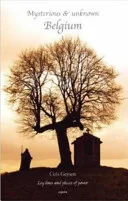
Mysterious and Unknown Belgium
 78
78

Mysterious and Unknown Belgium



Cois Geysen's 'Mysterious and Unknown Belgium' offers a compelling cartography of the unseen. The book's strength lies in its detailed mapping of Belgian landscapes, connecting seemingly disparate historical markers—from megalithic tombs to wayside shrines—to a coherent network of earth energies. Geysen avoids romanticizing these sites, instead presenting a methodical approach to identifying potential power points. A particular passage detailing the alignment of a series of 17th-century chapels across Hainaut province, suggesting a re-purposing of older energetic pathways, is especially effective. However, the work occasionally suffers from a lack of rigorous academic sourcing for some of its more speculative claims, which may frustrate readers seeking absolute empirical validation. Despite this, the meticulous research into local traditions and site histories makes it a valuable addition for those exploring geomantic traditions.
It provides a rich, if sometimes assertive, guide to Belgium's energetic undercurrents.
📝 Description
78
### What It Is 'Mysterious and Unknown Belgium' by Cois Geysen, first published in 2013, investigates the hidden energetic and spiritual geography of Belgium. It explores how ancient sacred sites, energy lines, and power spots are woven into the landscape, often marked by megalithic stones, sacred springs, or later, churches and chapels. The work posits these locations were historically used for rituals, initiations, and celebrations, serving as both spiritual anchors and expressions of communal belief.
### Who It's For This book is for readers interested in geomancy, landscape mysteries, and the subtle energies of place. It will appeal to those who study ley lines, sacred geography, and the historical layering of spiritual practices in European landscapes. Travelers seeking a deeper connection to Belgium beyond conventional tourism, and researchers of ancient European ritual practices will find value here.
### Historical Context The book's exploration of sacred sites and energy lines situates itself within a long tradition of landscape divination and earth mysteries, a current that gained significant traction in the late 20th century with figures like John Michell and Alfred Watkins. Geysen’s work builds upon this, applying the concepts to a specific Belgian context. The early 21st century saw a continued interest in these topics, often intersecting with New Age spirituality and alternative history narratives.
### Key Concepts Central to 'Mysterious and Unknown Belgium' is the concept of the landscape as a living entity, imbued with energies that can be traced and understood. The work identifies specific types of sacred sites, such as dolmens and megaliths, and discusses their placement along hypothesized energy lines. It examines how these ancient markers were sometimes supplanted or recontextualized by later Christian structures, suggesting a continuity of sacred intent across different historical periods.
💡 Why Read This Book?
• Understand how ancient sacred stones and later chapels in Belgium might mark intersecting energy lines, a concept explored through specific site analyses in the book. • Discover the historical layering of sacred sites, learning how early ritual spaces were potentially recontextualized by Christian structures from the medieval period onwards. • Gain practical insights into identifying landscape acupuncture points, drawing from Geysen's methodology for tracing power lines in specific Belgian regions like Wallonia.
why_read
⭐ Reader Reviews
Honest opinions from readers who have explored this book.
❓ Frequently Asked Questions
What are ley lines as discussed in 'Mysterious and Unknown Belgium'?
Ley lines, as presented by Cois Geysen, are hypothesized invisible energy currents flowing through the landscape. The book suggests these lines connect ancient sacred sites, megaliths, and natural features, acting as pathways for spiritual energy used in ancient rituals.
Does the book focus only on prehistoric sites in Belgium?
No, 'Mysterious and Unknown Belgium' examines a spectrum of sites. While it covers prehistoric megaliths and dolmens, it also discusses the significance of medieval churches, chapels, and even natural springs as potential markers on energy lines.
What is the significance of churches and chapels in relation to older sacred sites?
Geysen explores how many churches and chapels were built upon or near older pagan sacred sites. This practice, often referred to as 'sacred site substitution,' suggests a continuity of spiritual focus, with later structures inheriting the energetic properties of their predecessors.
Is 'Mysterious and Unknown Belgium' a travel guide?
While it details numerous locations across Belgium, it's not a conventional travel guide. It's more suited for those interested in the esoteric and energetic aspects of landscape, offering a framework for understanding these sites' deeper significance.
What kind of research methods does Cois Geysen employ?
The book combines historical research, local folklore, and principles of geomancy and dowsing. Geysen analyzes maps, historical records, and site alignments to identify potential energy lines and sacred nodes within the Belgian landscape.
What makes Belgium a unique subject for this kind of study?
Belgium's long history, situated at a crossroads of European cultures, has resulted in a dense layering of sacred sites. Its landscape contains a rich concentration of prehistoric monuments, medieval religious structures, and natural features, making it a fertile ground for exploring earth energies.
🔮 Key Themes & Symbolism
Sacred Landscape Mapping
The book posits that the Belgian landscape is imprinted with energetic pathways, or 'ley lines,' connecting ancient sacred sites. Geysen details methods for identifying these lines, often marked by megalithic structures like dolmens or natural features such as springs. He examines how these ancient sites were frequently re-purposed or built over by later Christian edifices, such as churches and chapels, suggesting a continuous flow of sacred energy across millennia. The work highlights Belgium's unique historical density, making it a prime location for such geomantic investigation.
Energy Lines and Power Spots
Central to Geysen's thesis is the concept of 'energy lines' as the landscape's acupuncture points. These are not merely geographical alignments but conduits of subtle energies that influenced ancient rituals and community life. The book identifies specific power spots, often marked by ancient stones or springs, and analyzes their energetic potential. It explores how these locations were utilized for initiation ceremonies and celebrations, forming a network of spiritual significance across the Belgian territory.
Continuity of Sacredness
A significant theme is the enduring sacredness of certain locations, irrespective of the prevailing religious or cultural paradigm. Geysen demonstrates how prehistoric sites were often later consecrated by Christian structures, indicating a persistent human need to connect with spiritual energies inherent in the land. The book traces this continuity from ancient rituals performed at megalithic tombs to the devotional practices centered around wayside shrines and chapels built centuries later.
Belgian Geomantic Heritage
This work focuses specifically on Belgium's unique geomantic heritage. Geysen meticulously charts sites across regions like Wallonia and Flanders, revealing a complex interplay of geological features, historical monuments, and perceived energetic phenomena. The book serves as an esoteric atlas, encouraging readers to perceive the land not just as physical terrain but as a repository of ancient spiritual energies and historical memory.
💬 Memorable Quotes
“Sacred sites and places of power, energy lines or ley lines... these subjects are no longer unknown to many people.”
— This opening statement frames the book's subject matter as part of a growing awareness in contemporary society regarding the energetic and spiritual dimensions of landscape, positioning the work within a broader esoteric discourse.
“They are present as acupuncture points in the landscape and our ancestors used those thousands of years for their rituals, initiations and celebrations.”
— This highlights the core geomantic concept that the landscape possesses vital energy points, akin to acupressure points on the body, which ancient cultures recognized and utilized for significant spiritual and communal activities.
“In the past they were marked by ancient sacred stones, trees and springs, later especially by churches and chapels.”
— This points to the historical evolution of sacred markers, showing a transition from natural and megalithic indicators to later religious architecture, suggesting a continuity of sacred purpose across different eras.
“Accurately placed as an expression of popular devotion, as beacons of hope and fear.”
— This interpretation focuses on the human element behind the placement of sacred sites, emphasizing their dual role as expressions of collective faith and as psychological anchors within the community, offering solace and marking boundaries.
“Mysterious and unknown Belgium t”
— This fragmented phrase, likely the beginning of a sentence from the original blurb, hints at the book's focus on uncovering hidden or overlooked aspects of Belgium's spiritual geography, suggesting a journey into the enigmatic.
🌙 Esoteric Significance
Tradition
The work aligns broadly with the geomantic and earth mysteries tradition, which draws inspiration from ancient practices of landscape divination and sacred geography. It shares conceptual roots with older esoteric systems that recognized inherent spiritual energies within the earth, though it departs from strictly Hermetic or Kabbalistic frameworks by focusing primarily on landscape patterns rather than symbolic correspondences or divine emanations.
Symbolism
Key symbols include ancient stones (dolmens, menhirs) representing primal earth power and ancestral connection; sacred springs symbolizing life, purification, and hidden knowledge; and churches/chapels signifying the overlay of later spiritual systems onto older energetic sites, often representing a channeling or re-contextualization of earth energies.
Modern Relevance
Contemporary practitioners of landscape magic, dowsing, and geomancy continue to draw on the methodologies and site analyses presented in works like Geysen's. It informs modern spiritual tourism focused on power places and resonates with those seeking to reconnect with the perceived energetic fields of their local environments or historical regions.
👥 Who Should Read This Book
• Geomancers and Dowsers: Those actively practicing or studying earth energies will find Geysen's mapping techniques and site analyses directly applicable to their own investigations. • Esoteric Historians: Researchers interested in the layering of spiritual practices across European history will gain insights into how ancient sacred sites influenced later religious and cultural developments. • Travelers Seeking Deeper Meaning: Individuals looking to explore Belgium beyond conventional tourism and connect with the subtle energies and hidden histories of its landscapes.
📜 Historical Context
Cois Geysen's 'Mysterious and Unknown Belgium' emerged in 2013, a period marked by sustained popular interest in earth mysteries and geomancy, movements invigorated by researchers like Paul Devereux and the continued dissemination of ideas from earlier figures such as Alfred Watkins. The book taps into a tradition that views the landscape as imbued with energetic lines and sacred nodes, often correlating these with prehistoric monuments and later religious structures. This intellectual current often contrasted with mainstream archaeological and historical methodologies, which tended to focus on more empirical evidence. While not a widely debated academic text, Geysen’s work fits within a broader niche of esoteric literature that gained traction through independent publishers and online communities, offering a specific application of geomantic principles to the rich historical tapestry of Belgium.
📔 Journal Prompts
Belgian landscape acupuncture points: Map a personal journey following one of Geysen's hypothesized energy lines.
The symbolism of sacred stones: Reflect on the enduring power attributed to megalithic markers like dolmens.
Continuity of sacredness: Consider how a local landmark in your area might serve a similar purpose to Belgian chapels built on older sites.
Ancestral rituals: Imagine the ceremonies conducted at a Belgian power spot thousands of years ago.
Beacons of hope and fear: Analyze the dual psychological role played by sacred sites in historical communities.
🗂️ Glossary
Ley Lines
Hypothesized invisible straight lines of energy that connect ancient sites, natural landmarks, and places of spiritual significance across the landscape. Geysen uses them to map energetic pathways.
Sacred Sites
Locations believed to possess special spiritual or energetic qualities, often used for rituals, ceremonies, or worship. These can include natural features, megalithic structures, or religious buildings.
Places of Power
Similar to sacred sites, these are locations identified as having a concentrated or potent form of natural or spiritual energy, influencing the surrounding environment and people.
Megaliths
Large prehistoric stone structures, such as dolmens (chamber tombs) and menhirs (standing stones), often found at significant points in the landscape and associated with ancient rituals.
Geomancy
A form of divination or practice that involves interpreting or working with the energies of the earth and landscape, often through identifying sacred sites and energy lines.
Landscape Acupuncture
A metaphor used to describe how specific points or lines within the landscape possess energetic qualities, similar to acupressure points on the human body, that can be stimulated or harmonized.
Sacred Site Substitution
The practice of building new religious structures, particularly churches, on top of or near pre-existing pagan or sacred sites, thereby potentially absorbing or redirecting the site's energy.