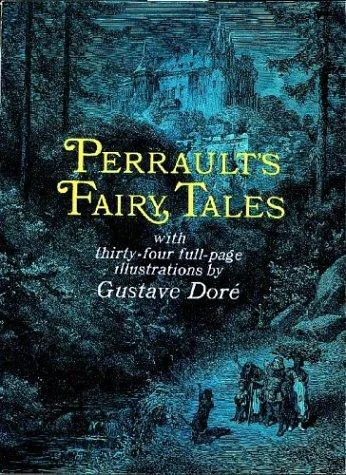
Les Contes de ma mère l'Oye
 77
77

Les Contes de ma mère l'Oye
Perrault's *Les Contes de ma mère l'Oye* presents a fascinating paradox: the source of widely disseminated, often saccharine, modern adaptations, yet the original texts reveal a starker, more complex morality. The enduring appeal lies in Perrault's masterful distillation of archetypal narratives into concise, memorable forms. His adaptation of the Cinderella story, for instance, streamlines the magical elements and focuses on the protagonist's enduring virtue and eventual reward, a departure from earlier, grimmer versions. However, the collection's brevity, while a strength in its focused impact, can also feel abrupt for readers accustomed to more expansive mythological or folkloric explorations. The implicit social commentary, particularly regarding class and gender roles, is subtly but powerfully present, offering a more nuanced view than often credited. It remains a foundational text for understanding the Western fairy tale canon.
📝 Description
77
Charles Perrault's 1675 collection, Les Contes de ma mère l'Oye, shaped the fairy tale genre.
Les Contes de ma mère l'Oye, published in 1675, contains eight fairy tales by Charles Perrault. These stories, originally in French, established many conventions now common in fairy tales. Perrault adapted them for his aristocratic audience, yet the tales retain their dark, cautionary core.
This collection is suited for folklore scholars, literary historians, and anyone interested in how stories develop. It appeals to readers looking for the origins of familiar tales and how narratives reflect societal norms and authorial intent. The book also suits those who enjoy stories with dual meanings, providing both amusement and a hidden moral lesson.
Published during Louis XIV's reign, Perrault's work came from Parisian literary salons. These tales were part of the *preciosite* movement, which favored wit, refinement, and moral instruction, often through allegory. Perrault's literary versions differed from oral traditions, formalizing these stories and influencing later writers like the Brothers Grimm.
While Perrault's tales are often seen as simple children's stories, they emerged from the sophisticated literary salons of 17th-century France. The *preciosite* movement, from which these tales sprang, used wit and allegory to impart moral lessons. Perrault's adaptation of oral traditions into literary form for a refined audience means these stories operate on multiple levels, embedding social commentary and psychological insights beneath their fantastical surfaces. They reflect a tradition of using narrative to explore human nature and societal structures.
💡 Why Read This Book?
• Gain insight into the origins of familiar fairy tales, understanding how Perrault's 1675 collection first codified narratives like "Cinderella" and "Little Red Riding Hood" for literary posterity. • Explore the social and moral commentary embedded within these tales, recognizing how they reflect the values and anxieties of 17th-century French aristocratic society. • Analyze the archetypal symbolism within stories such as "Puss in Boots," understanding how Perrault's concise storytelling established enduring patterns in Western literature.
⭐ Reader Reviews
Honest opinions from readers who have explored this book.
❓ Frequently Asked Questions
When was Charles Perrault's "Tales of Mother Goose" first published?
Charles Perrault's "Les Contes de ma mère l'Oye" was first published in 1675, marking a significant moment in the literary formalization of fairy tales.
What is the significance of the title "Les Contes de ma mère l'Oye"?
The title translates to "Tales of Mother Goose." This phrasing evokes a traditional, familiar storyteller, lending an air of antiquity and domestic charm to the collection, even as it was presented in a refined literary style.
Are these the same stories as the Brothers Grimm fairy tales?
While there is overlap and influence, Perrault's collection (1675) predates the Brothers Grimm's more extensive compilation (early 19th century). Perrault's versions are often more concise and specifically tailored for a courtly audience.
What are some of the most famous tales included in Perrault's collection?
The collection famously includes "Cinderella" (Cendrillon), "Little Red Riding Hood" (Le Petit Chaperon rouge), "Puss in Boots" (Le Maître chat ou le Chat botté), and "Sleeping Beauty" (La Belle au bois dormant).
What was the original intended audience for these tales?
Perrault initially intended the tales for the aristocratic salons of France during the reign of Louis XIV, aiming for refinement and moral instruction presented in an entertaining, literary format.
Does Perrault's "Cinderella" include the glass slipper?
Yes, Perrault's 1675 version of "Cendrillon" is the one that introduced the iconic glass slipper (pantoufle de verre), a detail that became central to subsequent retellings.
🔮 Key Themes & Symbolism
Archetypal Narrative Structures
Perrault's collection is foundational for understanding Western archetypal narratives. He distilled oral traditions into precise literary forms that established enduring plot structures. Elements like the helpful magical intervener (fairy godmother in Cinderella), the deceptive antagonist (wolf in Little Red Riding Hood), and the clever, resourceful protagonist (Puss in Boots) became templates. These structures tap into deep psychological patterns, explaining their persistent resonance across generations and cultures. The efficiency of his storytelling highlights how core narrative DNA can be preserved and transmitted through literature.
Social Hierarchy and Mobility
The tales frequently address the rigid social strata of 17th-century France. Characters often face adversity due to their low birth or unfortunate circumstances, yet their virtue, cleverness, or adherence to moral codes allows for upward mobility, particularly in "Cinderella" and "Puss in Boots." This offered a form of wish fulfillment within the constraints of the era's society. The stories implicitly critique social injustices while also reinforcing the idea that inherent worth, rather than solely lineage, could lead to a better fate, albeit often through extraordinary means.
The Dangers of Disobedience and Vanity
A recurring moral lesson in Perrault's work concerns the perils of ignoring parental advice or succumbing to vanity. "Little Red Riding Hood" serves as a stark warning against straying from the path and speaking to strangers. Similarly, tales implicitly caution against pride and superficiality, suggesting that inner virtue is paramount. These cautionary elements were designed to impart moral instruction to the young aristocratic audience, reinforcing societal expectations of obedience and proper conduct while subtly highlighting the consequences of deviation.
Transformation and Illusion
Transformation is a central motif, both literal and figurative. The pumpkin becoming a coach, rags turning into gowns, and animals gaining human-like agency (Puss in Boots) illustrate the magical potential within the narrative. Beyond the magical, characters undergo moral or social transformations. The tales explore how appearances can be deceiving and how perception can be altered through cleverness or enchantment. This theme speaks to the power of narrative itself to reshape reality and create new possibilities, even if temporary or illusory.
💬 Memorable Quotes
Direct passages from the work, attributed to the author.
“It is to the fairies that we owe the gift of beauty and the gift of wit.”
— This interpretation highlights the belief in supernatural influence shaping inherent qualities, a common motif in fairy tales where external forces often bestow fortune or talent upon protagonists.
“One must not stray from the path.”
— This concise admonition from "Little Red Riding Hood" expresses the theme of obedience and the dangers of deviating from prescribed rules or safe routes, a common cautionary element.
“All the service he did his master was to make him rich.”
— Referring to Puss in Boots, this highlights the theme of a clever servant radically improving his master's fortunes through cunning, demonstrating the power of intellect over circumstance.
“She was as beautiful as she was good.”
— This phrase, often applied to virtuous heroines like Cinderella, emphasizes the interconnectedness of inner goodness and outer appearance, a frequent ideal presented in Perrault's narratives.
“By means of her fine clothes, she seemed more than she was.”
— This reflects the motif of clothing as a transformative element, capable of elevating social standing and altering perception, a key aspect of Cinderella's story.
🌙 Esoteric Significance
Tradition
While not overtly occult, Perrault's collection can be viewed through the lens of Hermetic and Alchemical symbolism, particularly concerning transformation and the hidden potential within the mundane. The stories operate on a principle akin to the Hermetic axiom 'As Above, So Below,' reflecting societal structures and psychological truths in a simplified, allegorical form. The emphasis on virtue leading to reward aligns with Neoplatonic ideals of inherent goodness being recognized. It represents a pre-Enlightenment engagement with archetypal patterns that later esoteric traditions would systematically analyze.
Symbolism
The slipper, particularly the glass slipper in "Cinderella," symbolizes unique identity, destiny, and the precise fit required for one's destined role or partner. The wolf in "Little Red Riding Hood" represents primal instinct, deceit, and the dangerous 'shadow' aspects of the unconscious that prey on innocence. Puss in Boots, the anthropomorphic cat, embodies cunning intelligence, adaptability, and the power of illusion or strategic presentation to overcome obstacles and ascend social strata.
Modern Relevance
Contemporary thinkers in Jungian psychology and archetypal studies frequently reference Perrault's tales as prime examples of universal myths and the collective unconscious at play. Storytellers and screenwriters continue to draw upon the narrative frameworks established by Perrault for character archetypes and plot devices. Practices involving narrative therapy and symbolic interpretation often utilize these stories as accessible entry points for exploring psychological dynamics and personal growth.
👥 Who Should Read This Book
['• Literary historians studying the evolution of the fairy tale genre and its codification in 17th-century France.', '• Students of folklore interested in the origins of popular tales like "Cinderella" and "Little Red Riding Hood."', '• Readers exploring archetypal psychology and symbolism, seeking foundational examples of narrative patterns.']
📜 Historical Context
Charles Perrault's *Les Contes de ma mère l'Oye* emerged in 1675 amidst the flourishing literary salons of Louis XIV's France. This period saw a surge in interest in fairy tales, often referred to as *contes de fées*, within aristocratic circles. Perrault’s work was part of a broader literary fashion, influenced by the *preciosite* movement, which valued refinement, wit, and moral instruction. Unlike the more scholarly collections that would follow, Perrault aimed his tales at the court, adapting and literary refining stories likely drawn from oral traditions and earlier written sources. His work gained significant traction, influencing contemporaries and later collectors. While not explicitly censored, the tales implicitly navigated the moral expectations of the era, presenting cautionary lessons within their fantastical frameworks. Perrault's effort to codify these tales marks a central step in their transition from folklore to established literary works.
📔 Journal Prompts
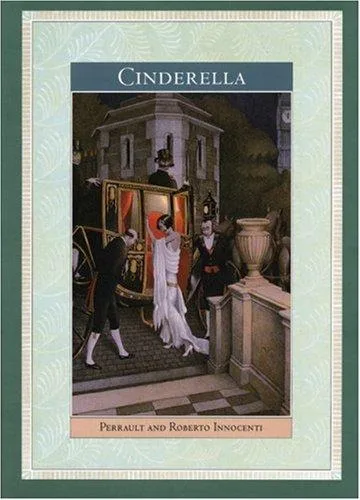
The transformation of Cinderella's rags into a ballgown, and the symbolic meaning of the glass slipper.
The deceptive cunning of the wolf in "Little Red Riding Hood" and its representation of primal dangers.
Puss in Boots' strategic manipulation of social perception to elevate his master.
The moral consequences of disobedience as depicted in the cautionary tales.
The role of the fairy godmother as a catalyst for change and wish fulfillment.
🗂️ Glossary
Contes de fées
French term for fairy tales, a genre that gained significant literary status in the 17th and 18th centuries, particularly through the works of Perrault and Madame d'Aulnoy.
Preciosite
A literary and social movement in 17th-century France emphasizing refinement, wit, and elaborate expression, which influenced the literary treatment of fairy tales.
Archetype
In Jungian psychology, a universal, inherited pattern of thought or imagery derived from the collective unconscious, seen as a recurring element in mythology and fairy tales.
Cendrillon
The French name for the character Cinderella, whose story in Perrault's version first introduced the iconic glass slipper.
Le Petit Chaperon rouge
The French title for "Little Red Riding Hood," one of Perrault's most famous cautionary tales warning against strangers and disobedience.
Le Maître chat ou le Chat botté
The French title for "Puss in Boots," a tale renowned for its clever protagonist who uses wit and deception to secure fortune.
Moral Instruction
The didactic purpose often embedded within fairy tales, designed to teach ethical principles, social norms, and practical wisdom to the audience, especially children.
🔮 Readers Also Liked
Browse all →







More by Charles Perrault
All books →




More Free Occult Philosophy Books
View all →