Discovering the Power of Self-hypnosis
 72
72

Discovering the Power of Self-hypnosis
Stanley Fisher and James Ellison's 1992 work, *Discovering the Power of Self-Hypnosis*, approaches its subject with a disarming pragmatism. It avoids the more esoteric or mystical trappings sometimes associated with hypnosis, instead offering a clear, almost instructional manual for self-application. The strength lies in its directness; the techniques are presented in a manner that feels achievable even for the absolute novice. A particularly effective section details how to structure suggestions for maximum impact, emphasizing the need for positive framing and present-tense commands. Its primary limitation, however, is a certain datedness in its psychological framework, occasionally leaning on older models of the subconscious. Despite this, the core methodology remains sound, offering a potent tool for self-management. The book's value is in its accessible blueprint for internal change.
📝 Description
72
### What It Is
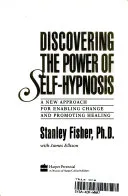
Discovering the Power of Self-Hypnosis, first published in May 1992, offers a practical guide to harnessing one's own mental faculties for personal improvement. The authors, Stanley Fisher and James Ellison, present self-hypnosis not as an arcane art, but as an accessible technique for direct communication with the subconscious mind. It provides step-by-step instructions, dispelling common misconceptions and demystifying the process. The work focuses on empowering the individual to effect change from within, utilizing the body's natural capacity for suggestion and healing.
### Who It's For
This book is designed for individuals seeking self-directed solutions to common psychological and physical complaints. Those struggling with insomnia, anxiety, phobias, or even chronic pain will find actionable strategies. It is also beneficial for personal development enthusiasts looking to enhance focus, creativity, or confidence. Anyone curious about the mind-body connection and interested in practical, non-pharmacological methods for well-being will find value here.
### Historical Context
The early 1990s saw a burgeoning interest in mind-body medicine and alternative healing modalities, moving from the fringes into more mainstream consideration. Self-help literature was expanding rapidly, and the work of figures like Milton H. Erickson was influencing therapeutic approaches to hypnosis. This book emerged within a cultural landscape increasingly open to exploring subjective experience and internal states as valid avenues for healing and growth, diverging from purely biomedical paradigms.
### Key Concepts
The central tenet is that the subconscious mind is highly responsive to direct suggestion, especially when the conscious critical faculty is quieted. Fisher and Ellison detail methods for entering a self-induced hypnotic state, often described as a state of focused awareness or deep relaxation. They emphasize the importance of clear, positive, and personalized affirmations. The book also touches upon the concept of 'talking to one's body' as a metaphor for directly addressing psychosomatic issues and facilitating the body's innate healing mechanisms through mental command.
💡 Why Read This Book?
• You will learn a structured method for entering a self-induced hypnotic state, as detailed in the book's early chapters, enabling direct communication with your subconscious for targeted problem-solving. • You will gain practical techniques for formulating effective positive affirmations, a core concept presented by Fisher and Ellison, to address specific issues like insomnia or phobias. • You will understand the historical moment of the book's 1992 publication, situating its pragmatic approach to self-hypnosis within the broader rise of mind-body awareness and alternative healing.
⭐ Reader Reviews
Honest opinions from readers who have explored this book.
❓ Frequently Asked Questions
What specific problems can self-hypnosis help with according to Fisher and Ellison?
The book indicates self-hypnosis can alleviate issues such as phobias, insomnia, anxiety, and even chronic pain by enabling direct communication with the body's subconscious processes.
Is self-hypnosis difficult to learn from this book?
No, the authors, Stanley Fisher and James Ellison, provide step-by-step instructions designed to make the process accessible and demystify it for beginners.
When was 'Discovering the Power of Self-Hypnosis' first published?
The book was first published in May 1992, reflecting the growing interest in mind-body techniques during that era.
Does the book explain how to talk to one's body?
Yes, the work explains this concept as a method for addressing psychosomatic issues and facilitating healing through mental suggestion and command.
What is the core principle behind the self-hypnosis techniques presented?
The core principle is that the subconscious mind is highly responsive to suggestion, particularly when the conscious mind is in a relaxed, focused state.
Are there any specific examples of affirmations mentioned?
While the book emphasizes creating personalized affirmations, it guides the reader on the principles of crafting them, focusing on clarity and positive present-tense language.
🔮 Key Themes & Symbolism
Mind-Body Communication
The central theme posits that the body possesses an intelligence accessible through the subconscious mind. Fisher and Ellison detail methods to establish a direct dialogue, framing it as 'talking to one's body.' This isn't mere metaphor; it's presented as a practical technique to influence physiological states and address psychosomatic complaints. The work suggests that by bypassing the conscious, critical mind and entering a state of focused awareness, individuals can issue direct suggestions that the body will accept and act upon, facilitating healing and change from within.
Empowerment Through Suggestion
A core tenet is individual agency in self-directed change. The book meticulously outlines how to formulate and deliver suggestions, emphasizing clarity, positivity, and present-tense phrasing. This approach empowers readers by demonstrating that they possess the internal resources to modify behaviors, overcome limitations, and enhance their well-being. It moves away from external solutions, placing the locus of control firmly within the individual's mental capabilities, making self-hypnosis a tool for personal sovereignty.
Demystifying Hypnotic States
Fisher and Ellison aim to demystify the process of hypnosis, presenting it as an accessible state of heightened focus and relaxation, rather than a mysterious or uncontrollable trance. They break down the induction process into simple, repeatable steps, encouraging readers to view it as a natural mental function that can be cultivated. This objective, almost instructional tone serves to remove the fear or skepticism often associated with hypnosis, making the practice seem achievable and practical for everyday use.
Practical Application for Well-being
The book is fundamentally utilitarian, focusing on tangible benefits for common human struggles. From alleviating insomnia and anxiety to managing phobias and pain, the techniques are presented as direct interventions. The emphasis is on achieving measurable results through consistent practice. This pragmatic outlook grounds the esoteric potential of self-hypnosis in everyday life, offering readers concrete tools to improve their quality of life and address specific challenges.
💬 Memorable Quotes
“The body is a highly responsive instrument, and the subconscious mind is its conductor.”
— This highlights the core concept of mind-body connection and control. It suggests that our physical state is directly influenced by our mental commands, especially those reaching the subconscious.
“Phobias, insomnia, and many other problems can be alleviated by literally talking to one's body.”
— This encapsulates the book's primary thesis: self-hypnosis provides a direct communication channel to address physical and psychological ailments by issuing suggestions to the body.
“Enter the state of focused awareness where the critical faculty rests.”
— This describes the process of achieving a hypnotic state, emphasizing relaxation and reduced conscious analysis to allow subconscious receptivity.
“Your suggestions must be clear, positive, and stated in the present tense.”
— This outlines the fundamental rules for effective hypnotic suggestion, ensuring the subconscious receives unambiguous and actionable commands for desired outcomes.
“Self-hypnosis is not magic; it is a skill to be learned and practiced.”
— This pragmatic statement aims to demystify the practice, positioning it as an achievable technique rather than an mystical phenomenon, encouraging diligent application.
🌙 Esoteric Significance
Tradition
While presented pragmatically, the work taps into the Hermetic principle of 'As Above, So Below,' suggesting that internal mental states directly mirror and influence external physical realities. It aligns with traditions that emphasize the power of the mind to shape reality, such as certain schools of Western esotericism and practical psychology influenced by figures like Émile Coué. It departs from more ritualistic or symbolic approaches by focusing purely on accessible psychological techniques for self-mastery.
Symbolism
The primary 'symbol' is the direct 'dialogue' with the body, representing the bridge between the conscious and subconscious realms. The act of suggestion itself functions symbolically, translating abstract desires or intentions into concrete commands that the subconscious interprets and enacts. The state of focused awareness can be seen as a symbolic representation of the inner sanctum, a space of potent internal power accessible through disciplined mental practice.
Modern Relevance
The principles outlined by Fisher and Ellison remain highly relevant today, resonating with contemporary practices in mindfulness, cognitive behavioral therapy (CBT), and neuro-linguistic programming (NLP). Modern applications often focus on stress reduction, performance enhancement, and therapeutic interventions for anxiety and depression. Thinkers and practitioners in biofeedback, subconscious reprogramming, and even certain branches of positive psychology implicitly or explicitly draw upon the foundational understanding of directed mental influence that this book helps to popularize.
👥 Who Should Read This Book
• Individuals experiencing chronic stress, anxiety, or sleep disturbances who are seeking non-pharmacological, self-administered coping mechanisms. • Personal development enthusiasts aiming to enhance focus, boost confidence, or cultivate specific positive mental states through direct mental training. • Students of psychology or mind-body disciplines interested in practical, early 1990s approaches to self-hypnosis and its application to everyday problems.
📜 Historical Context
Published in May 1992, *Discovering the Power of Self-Hypnosis* emerged during a period of significant cultural shift. The early 1990s witnessed a growing public and academic interest in the mind-body connection, partly fueled by advancements in psychology and neuroscience, and a broader acceptance of alternative and complementary medicine. This era saw figures like Deepak Chopra gaining prominence, advocating for holistic healing approaches. Self-help literature boomed, with books focusing on personal empowerment and internal control becoming bestsellers. While psychoanalysis and traditional therapy remained dominant, there was a parallel rise in techniques like Neurolinguistic Programming (NLP) and Ericksonian hypnosis, which explored the power of suggestion and subjective experience. Fisher and Ellison’s work fits within this context, offering a practical, accessible manual that democratized techniques previously seen as more specialized or esoteric, aligning with a cultural zeitgeist that increasingly valued self-efficacy and direct experience.
📔 Journal Prompts
Reflect on the concept of 'talking to one's body' and its potential implications for your physical well-being.
Consider the structured method for entering a self-induced hypnotic state presented in the initial chapters.
Analyze the effectiveness of positive, present-tense affirmations based on the principles outlined by Fisher and Ellison.
Explore how the 1992 publication context might influence the book's approach to self-hypnosis compared to modern techniques.
Identify a specific phobia or fear that could potentially be addressed using the suggestion techniques described.
🗂️ Glossary
Self-hypnosis
A technique allowing an individual to induce a state of focused attention and heightened suggestibility in oneself, often for therapeutic or self-improvement purposes.
Subconscious Mind
The part of the mind that is just below conscious awareness, believed to store memories, emotions, and beliefs that influence behavior and well-being.
Suggestion
A mental prompt or idea presented to the subconscious mind, intended to influence thoughts, feelings, or actions.
Focused Awareness
A mental state characterized by deep concentration on a specific thought, image, or sensation, often accompanied by physical relaxation.
Psychosomatic
Relating to physical symptoms or conditions that are caused or made worse by mental factors such as stress or anxiety.
Critical Faculty
The part of the conscious mind responsible for analysis, judgment, and skepticism, which is typically quieted during hypnosis.
Affirmation
A positive statement, usually in the present tense, designed to reinforce desired beliefs or outcomes when repeated during a hypnotic state.