Centered living

 82
82

Centered living
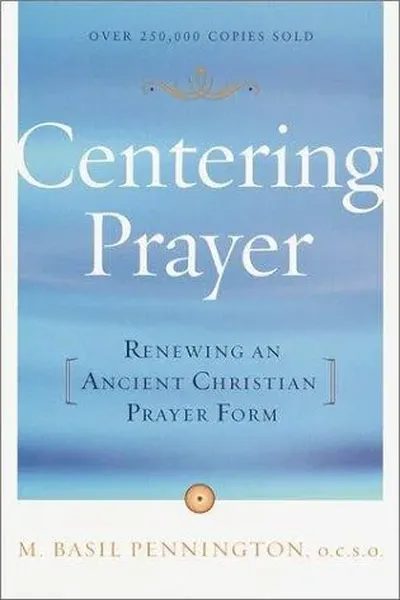
Pennington’s Centered Living, arriving in 1986, offers a stark contrast to the effervescent, often anxiety-driven spiritual advice prevalent today. Its strength lies in its unwavering commitment to stillness as the locus of spiritual growth. The chapter on "The Practice of Centering" provides a clear, unadorned exposition of a method that eschews discursive prayer for a more direct, intuitive engagement with the divine. However, for readers unfamiliar with monastic contemplative language, the work’s inherent theological framing, particularly its Christian underpinnings, may present a barrier to immediate application. While the book champions accessibility, its depth requires a willingness to sit with silence and interiority that many contemporary readers might find challenging. Ultimately, Pennington provides an essential, if demanding, anchor for those seeking genuine spiritual depth.
📝 Description
82
### What It Is Centered Living, first published in 1986 by M. Basil Pennington, offers a foundational approach to cultivating inner stillness and presence. It is not a self-help manual in the modern sense, but a guide rooted in contemplative traditions, seeking to reorient the reader's relationship with their own consciousness. The work presents practices and perspectives designed to foster a more grounded and centered existence, applicable across various life circumstances.
### Who It's For This book is primarily for individuals engaged in spiritual or contemplative practices, regardless of their specific religious affiliation. It appeals to those seeking to deepen their understanding of prayer, meditation, and the nature of awareness. Readers interested in the historical development of contemplative thought and its practical application in daily life will find value here. It serves those who are ready to move beyond superficial spiritual seeking towards a more integrated inner life.
### Historical Context Published in 1986, Centered Living emerged during a period of renewed interest in contemplative spirituality, particularly within Christian circles, but with broad appeal. The work by Pennington, a Trappist monk, connects with a long lineage of monastic wisdom, including figures like Thomas Merton, who himself published influential works on contemplation in the mid-20th century. The book appeared as many were exploring Eastern meditation techniques but sought anchors within Western contemplative traditions, offering a bridge between these approaches. Its reception was part of a broader movement to re-examine and revitalize traditional spiritual disciplines for contemporary life.
### Key Concepts The book introduces several core concepts essential for achieving a state of centeredness. These include the practice of "centering prayer," a method designed to facilitate direct experience of God's presence. Pennington also explores the nature of "sacred space" within the individual, not as a physical location but as an internal disposition of readiness and receptivity. The concept of "silence" is presented not as an absence of sound, but as a fertile ground for inner listening and profound awareness. The interplay between "action" and "contemplation" is also examined, suggesting that true centeredness informs and enriches all outward activity.
💡 Why Read This Book?
• Gain practical techniques for "centering prayer," a method for cultivating direct divine awareness that bypasses conceptual thought, a core practice explored in the book. • Understand the concept of "sacred space" as an internal disposition, learning how to cultivate this inner sanctuary independent of external circumstances. • Explore the contemplative model presented by M. Basil Pennington, offering a distinct alternative to more action-oriented spiritual paths prevalent since the book's 1986 publication.
⭐ Reader Reviews
Honest opinions from readers who have explored this book.
❓ Frequently Asked Questions
What is the primary goal of M. Basil Pennington's Centered Living?
The primary goal of Centered Living is to guide readers toward cultivating a state of inner stillness and presence, fostering a deeper connection with their spiritual core and a more grounded experience of daily life.
When was Centered Living first published and by whom?
Centered Living was first published in 1986 by M. Basil Pennington, a Trappist monk and influential figure in modern contemplative prayer.
Does Centered Living require a specific religious background?
While rooted in Christian contemplative tradition, the book's principles on stillness, presence, and interiority offer universal application for individuals of various spiritual paths seeking inner peace.
What is 'centering prayer' as described in the book?
Centering prayer is presented as a method of silent prayer that facilitates a direct experience of God's presence, moving beyond thoughts and affections to a place of profound interior stillness.
How does Centered Living differ from modern self-help books?
Unlike many contemporary self-help books, Centered Living focuses on contemplative practice and interior transformation rather than external achievement or quick fixes, emphasizing stillness and receptivity.
Can the practices in Centered Living be integrated into a busy life?
Yes, the book's core teachings are about cultivating an inner state that can inform and transform one's engagement with daily activities, making centeredness accessible even amidst busyness.
🔮 Key Themes & Symbolism
The Practice of Centering
Pennington details the practice of centering prayer, a method designed to move beyond discursive prayer towards a direct experience of divine presence. This involves a 'prayer of consent' to God's presence and action within, fostering an interior stillness that becomes the foundation for one's spiritual life. The work emphasizes receptivity and surrender, inviting the reader to rest in God's immediate presence rather than actively seeking Him through thought or emotion. This approach is presented as a way to deepen one's relationship with the divine by embracing silence and interiority.
Sacred Space Within
This theme explores the idea of an inner 'sacred space' accessible to everyone. It's not a physical location but a disposition of the soul, a place of profound peace and connection to the divine that can be cultivated through contemplative practice. Pennington suggests that by consistently returning to this inner sanctuary, individuals can find solace, strength, and clarity amidst the chaos of external life. The concept encourages a shift in focus from the external world to the internal landscape as the primary site of spiritual reality and transformation.
Silence and Interior Listening
The book champions silence not merely as an absence of noise, but as a fertile ground for spiritual encounter. Pennington posits that true listening, particularly to the divine, requires cultivating an inner silence that allows subtle promptings and deeper truths to emerge. This theme encourages readers to embrace moments of quietude, viewing them as opportunities for profound introspection and communion. It challenges the modern tendency to fill every moment with distraction, advocating instead for the restorative and revelatory power of intentional silence.
Action Informed by Contemplation
Centered Living posits that authentic spiritual growth leads to a transformation of one's outward actions. Rather than seeing contemplation and action as opposing forces, Pennington suggests they are complementary. A life lived from a centered, contemplative core naturally informs one's engagement with the world, leading to actions that are more peaceful, compassionate, and aligned with divine will. This theme bridges the gap between the inner spiritual life and its practical manifestation in daily responsibilities and relationships.
💬 Memorable Quotes
“The prayer of consent is simply the consent to God's presence and action within us.”
— This quote encapsulates the core of centering prayer as described by Pennington. It highlights a passive yet active engagement, where the practitioner 'consents' to the divine action already present, rather than striving to create a spiritual experience.
“Silence is the womb of all prayer.”
— This evocative phrase suggests that silence is not merely a backdrop for prayer but its very source and origin. It implies that true prayer emerges from a deep, receptive stillness within the individual.
“We are called to be present to God.”
— This statement underscores the fundamental invitation of contemplative life: to cultivate an ever-present awareness of the divine. It shifts the focus from seeking God to simply being aware of His presence.
“The practice is simply to open oneself to God.”
— This interpretation of the practice emphasizes simplicity and receptivity. It suggests that the spiritual path, particularly centering, is less about complex rituals and more about a fundamental openness to the divine.
“We are already centered in God.”
— This profound assertion shifts the paradigm from 'achieving' centeredness to 'realizing' a pre-existing state. It implies that the work is one of uncovering and experiencing an inherent spiritual reality rather than creating it.
🌙 Esoteric Significance
Tradition
Centered Living draws heavily from the Christian contemplative tradition, particularly its mystical and monastic streams. It can be seen as an extension of practices found in the works of medieval mystics like the author of 'The Cloud of Unknowing' or Julian of Norwich. While deeply rooted in Christian theology, its emphasis on direct experience of the divine, inner silence, and presence aligns with broader esoteric principles of inner transformation and immediate spiritual apprehension found across various traditions.
Symbolism
The book's primary 'symbol' is the concept of "sacred space" within the individual, representing the indwelling divine presence. Silence itself functions symbolically, not as an absence but as a potent, fertile void from which spiritual awareness arises. The "prayer of consent" can be viewed as a symbolic act, a gentle yielding that opens the channel for divine grace and realization, signifying a relinquishing of egoic control.
Modern Relevance
Pennington's work continues to influence contemporary spiritual seekers and contemplative practitioners. The centering prayer movement he helped foster remains active, with organizations dedicated to teaching its methods. Thinkers and writers focusing on mindfulness, interfaith dialogue, and the integration of spiritual practice into daily life often draw upon the foundational principles of stillness and presence articulated in Centered Living, seeing its enduring value in a hyper-connected world.
👥 Who Should Read This Book
["• Christian contemplatives and practitioners of centering prayer seeking to deepen their understanding of the practice's origins and philosophical underpinnings.", '• Individuals from any spiritual background interested in cultivating inner stillness and exploring non-discursive forms of prayer or meditation.', '• Scholars of religious history or comparative spirituality examining the development of contemplative practices in the late 20th century West.']
📜 Historical Context
M. Basil Pennington's Centered Living, published in 1986, emerged from a fertile period for contemplative spirituality within Western traditions. The mid-to-late 20th century saw a resurgence of interest in monasticism and ancient spiritual practices, partly influenced by figures like Thomas Merton. Pennington, a Trappist monk himself, was a key proponent of "centering prayer," a method he helped popularize alongside William Meninger and Basil Pennington. This movement sought to offer accessible contemplative tools rooted in Christian mysticism, often serving as an alternative for those drawn to Eastern meditation but seeking an anchor within their own heritage. The book arrived as the "New Age" movement was also gaining traction, yet Pennington's work offered a more traditional, less syncretic approach. While not directly engaging with radical contemporaries like the Situationist International, its emphasis on interiority and critique of modern distraction resonated with counter-cultural sentiments valuing depth over surface.
📔 Journal Prompts
The concept of "sacred space" as an internal disposition.
The role of "silence" in fostering spiritual receptivity.
Experiencing the "prayer of consent" in daily moments.
How an "action informed by contemplation" might manifest today.
Reflecting on one's own capacity for "inner listening."
🗂️ Glossary
Centering Prayer
A contemplative prayer practice designed to facilitate the experience of God's presence within. It involves a simple gesture of consent to God's presence and action, moving beyond thoughts and affections to a state of interior stillness.
Sacred Space
An interior disposition of the soul, a place of profound peace and connection to the divine that can be cultivated through contemplative practice. It represents an inner sanctuary accessible to all.
Prayer of Consent
A key element in centering prayer, this involves the gentle, willing acceptance of God's presence and activity within. It is a surrender of the ego's control, opening oneself to divine grace.
Interior Listening
The practice of attuning one's inner awareness to subtle spiritual promptings or the presence of the divine, often facilitated by cultivating silence and stillness.
Discursive Prayer
A form of prayer that involves reasoning, meditation on scripture, or the formulation of thoughts and petitions. Centering prayer is presented as a move beyond this to a more direct experience.
Contemplation
A state of deep, intuitive awareness and union with the divine, often characterized by silence and receptivity. It is seen as a gift of God's grace, cultivated through practice.
Presence
In the context of the book, this refers to the state of being fully aware of and attuned to the divine presence within oneself and all of reality.