Magical ritual methods
 80
80

Magical ritual methods
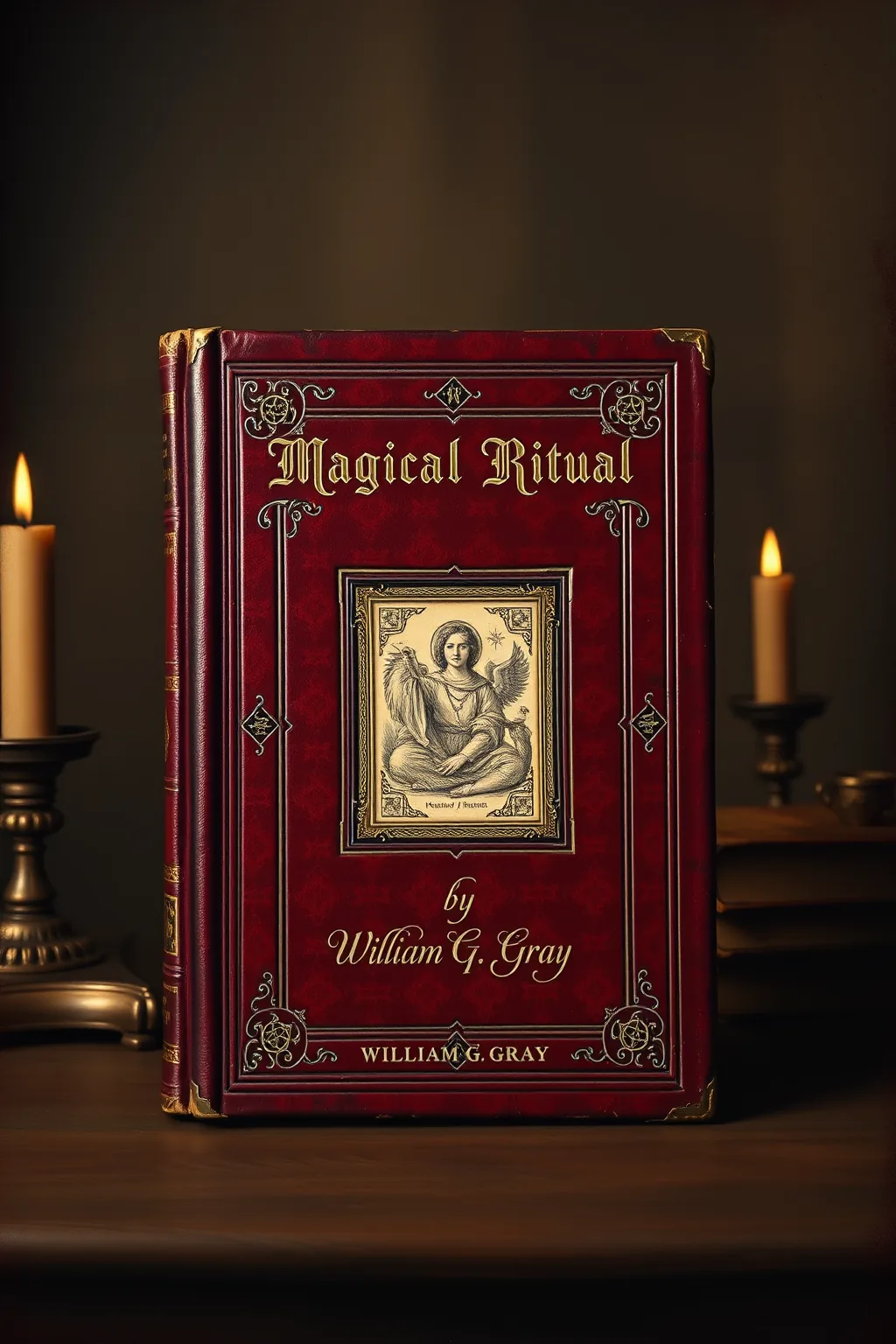
William G. Gray's "Magical Ritual Methods" is an unexpectedly rigorous manual for the serious practitioner. Rather than indulging in flights of fancy, Gray approaches ritual as a structured discipline, akin to a craftsman honing their skills. His strength lies in the meticulous breakdown of ritual elements – the precise language, the deliberate visualization, the construction of psychic forms. The section on the necessity of precise verbal formulae, for instance, highlights his insistence on clarity and intent, a vital point often overlooked in more nebulous magical texts. However, the book's dense, didactic style can be unforgiving; it demands considerable focus and prior knowledge, sometimes feeling more like a technical manual than an inspirational guide. While valuable for its systematic approach, readers seeking a more narrative or experiential exploration might find it dry. Ultimately, "Magical Ritual Methods" serves as a solid, if demanding, cornerstone for understanding ritual mechanics.
📝 Description
80
### What It Is
William G. Gray's "Magical Ritual Methods," first published in 1969, offers a detailed examination of ritualistic practices within the Western esoteric tradition. It moves beyond theoretical discussions to present actionable techniques for practitioners. The work focuses on the mechanics and application of magical rites, aiming to equip readers with a structured understanding of ritual construction and execution. Gray's approach is rooted in a practical, no-nonsense application of magical principles, seeking to demystify complex operations.
### Who It's For
This book is intended for serious students of Western esotericism, particularly those with prior exposure to magical theory and practice. It is suited for individuals who have moved beyond introductory concepts and are seeking to refine their understanding of ritual. Practitioners who are interested in the construction of magical systems, the symbolic language of ritual, and the psychological underpinnings of magical work will find value here. It is less for the absolute beginner and more for the dedicated practitioner aiming to deepen their craft.
### Historical Context
Published in 1969, "Magical Ritual Methods" emerged during a period of significant resurgence in occult and esoteric studies, following the counter-cultural shifts of the 1960s. This era saw renewed interest in traditions like Hermeticism and ceremonial magic, often influenced by figures such as Aleister Crowley and Dion Fortune. Gray's work stood apart by emphasizing a systematic, almost pedagogical approach to ritual, distinct from some of the more overtly philosophical or devotional texts of the time. It contributed to a growing body of literature aimed at providing practical guidance for those exploring these ancient arts.
### Key Concepts
The core of "Magical Ritual Methods" revolves around the systematic breakdown of ritual components. Gray explores the importance of precise language, symbolic representation, and directed intent in the creation of effective magical operations. He emphasizes the role of visualization and the creation of specific mental constructs, or "images," as central to magical efficacy. The book also touches upon the significance of timing, planetary correspondences, and the use of consecrated tools, presenting these not as mere superstition but as integral elements of a well-formed ritual structure designed to influence subtle energies.
💡 Why Read This Book?
• Gain practical, systematic methods for constructing effective magical rituals, moving beyond abstract theory to concrete application, as detailed in Gray's 1969 work. • Understand the crucial role of precise language and visualization in ritual efficacy, learning how to craft potent mental imagery for specific magical outcomes. • Explore the foundational principles of ritual design, including the symbolic significance of tools and timing, as presented in Gray's structured approach to esoteric practice.
⭐ Reader Reviews
Honest opinions from readers who have explored this book.
❓ Frequently Asked Questions
What is the primary focus of William G. Gray's 'Magical Ritual Methods'?
The book concentrates on the practical construction and execution of magical rituals, detailing the specific methods, language, and visualization techniques required for effective ceremonial practice within the Western esoteric tradition.
Who is the intended audience for 'Magical Ritual Methods'?
It is aimed at serious students and practitioners of Western esotericism who have a foundational understanding and are seeking to deepen their practical knowledge of ritual mechanics and systematic application.
When was 'Magical Ritual Methods' first published?
The book was first published in 1969, a period marked by a significant interest in occult studies and esoteric practices.
Does the book provide examples of specific rituals?
While not presenting a series of complete, ready-to-use rituals, Gray's work focuses on the principles and methods for *creating* rituals, providing frameworks and techniques that practitioners can adapt.
What is Gray's approach to the psychological aspect of ritual?
Gray emphasizes the deliberate creation of mental constructs and the power of directed visualization as fundamental components of ritual, treating them as active forces in magical work.
How does 'Magical Ritual Methods' differ from other esoteric texts?
Its distinction lies in its systematic, almost didactic, approach to ritual, focusing on the 'how-to' with a clear emphasis on structure, precision, and practical application rather than purely philosophical or historical discourse.
🔮 Key Themes & Symbolism
Ritual Construction Mechanics
Gray dissects ritual into its fundamental building blocks, emphasizing that efficacy stems from precise construction. This involves the careful selection of language, the deliberate crafting of symbolic imagery through visualization, and the understanding of energetic flow. He treats ritual not as a spontaneous outpouring but as a deliberate act requiring specific components, much like assembling a complex mechanism. The work highlights how each element, from the choice of words to the mental focus, contributes to the overall success of the magical operation, providing a blueprint for practitioners to design their own effective rites.
The Power of Visualization
Central to Gray's method is the potent role of visualization in magical ritual. He posits that the creation of clear, sustained mental images – or 'images' as he often refers to them – is not merely a supportive element but a primary engine for magical change. These visualized forms act as psychic constructs that interact with subtle energies. The book guides the reader on how to develop and project these images with intent, underscoring that the clarity and force of the visualized form directly correlate with the ritual's potential impact on the desired outcome.
Symbolic Language and Formulae
Gray stresses the importance of symbolic language and precise verbal formulae within ritual practice. He argues that words carry inherent power and that specific arrangements, often drawn from ancient traditions, are crucial for directing magical forces. The book delves into how symbols, when properly understood and employed within ritualistic contexts, serve as conduits for specific energies and intentions. This focus on the 'science' of magical language suggests that ritual is a form of communication with deeper realities, requiring accuracy and adherence to established symbolic grammar.
Applied Esoteric Principles
Moving beyond theoretical esotericism, 'Magical Ritual Methods' is fundamentally about application. Gray bridges the gap between esoteric philosophy and practical execution, demonstrating how abstract principles can be translated into tangible ritualistic actions. The work serves as a manual for those wishing to actively engage with the forces discussed in esoteric literature, providing methods that can be tested and refined through practice. It encourages a disciplined, experimental approach, viewing ritual as a skill to be learned and mastered through consistent effort and understanding.
💬 Memorable Quotes
“The construction of a ritual is a science.”
— This statement encapsulates Gray's systematic and analytical approach to magic, viewing ritual not as random chance but as a structured discipline with observable principles and predictable outcomes when applied correctly.
“The image must be held with absolute clarity and sustained focus.”
— This highlights the critical importance Gray places on visualization, emphasizing that the practitioner's mental concentration and the vividness of the imagined form are key determinants of a ritual's effectiveness.
“Words are tools; their precise arrangement directs energy.”
— This interpretation underscores Gray's belief in the power of language within ritual. He views specific verbal formulae not just as symbolic expressions but as active agents capable of channeling and shaping magical forces.
“Ritual demands a disciplined will.”
— This paraphrased concept reflects Gray's emphasis on the practitioner's inner strength and focused intent. He suggests that successful ritual work is contingent upon the practitioner's ability to exert their will consistently and purposefully throughout the operation.
“The consecration of tools imbues them with purpose.”
— This interpretation points to Gray's view on the importance of ritual implements. Consecration, in his system, is not mere ceremony but a vital process that energizes tools, making them effective instruments for magical work.
🌙 Esoteric Significance
Tradition
Gray's work is firmly rooted in the Western esoteric tradition, particularly drawing from Hermeticism and ceremonial magic. It departs from purely theoretical or philosophical explorations by offering a practical, almost engineering-like, approach to ritual. While acknowledging the symbolic and spiritual dimensions, Gray prioritizes the functional aspects – the 'how' of ritual. This aligns with a lineage that seeks to systematize magical practice, making it accessible through structured methods and repeatable techniques, differentiating it from more intuitive or faith-based spiritual paths.
Symbolism
Key symbols within Gray's framework often relate to the structure of ritual itself. The 'image' or visualized construct is paramount, acting as a symbolic representation of intent that is projected into the subtle realms. Geometric forms, often implied in the structure of ritual circles and the arrangement of tools, serve as symbolic containers and focuses for energy. The deliberate use of specific words or formulae also functions symbolically, acting as keys or sigils that unlock particular energetic potentials within the practitioner and the environment.
Modern Relevance
Contemporary practitioners of ceremonial magic, chaos magic, and even some forms of modern witchcraft often find value in Gray's systematic approach. His emphasis on clear visualization, precise intent, and structured ritual design resonates with modern magical theory that seeks to understand the psychological and energetic mechanics at play. Thinkers and practitioners who focus on the 'technology' of magic, aiming for reproducible results through disciplined practice, can draw directly from the principles laid out in 'Magical Ritual Methods'.
👥 Who Should Read This Book
• Practicing ceremonial magicians seeking to refine their understanding of ritual structure and efficacy. • Students of Western esotericism interested in the practical application of magical principles beyond theoretical study. • Aspiring occultists who desire a systematic, step-by-step guide to constructing and performing magical rites with precision.
📜 Historical Context
Published in 1969, "Magical Ritual Methods" by William G. Gray emerged during a pivotal moment for Western esotericism. The preceding decades had seen the influential works of figures like Aleister Crowley, whose magical system, Thelema, offered a different framework for ritual. Gray's approach, however, presented a more methodical and less overtly dogmatic system, focusing on the underlying mechanics of ritual itself. The post-war era, particularly the 1960s, witnessed a surge in occult interest, partly fueled by counter-cultural movements and a questioning of established norms. Books like Gray's provided practical, structured guidance for a generation seeking direct experience with spiritual and magical traditions, distinct from the more philosophical or theosophical leanings prevalent earlier. Its reception contributed to the growing literature aimed at demystifying ceremonial magic for a wider, yet still dedicated, audience.
📔 Journal Prompts
The foundational principles of ritual construction as outlined by Gray.
Formulating precise verbal formulae for a specific magical intent.
Sustaining clarity in visualization during a personal ritual practice.
Analyzing the symbolic purpose of tools within a ceremonial context.
Integrating disciplined will into daily practice inspired by Gray's methods.
🗂️ Glossary
Image (in ritual)
A visualized mental construct or form created by the practitioner during ritual, intended to embody a specific intent or energetic pattern and influence subtle realms.
Formulae (magical)
Specific sequences of words, incantations, or invocations used in ritual, believed to possess inherent power to direct and shape magical energies.
Consecration
The ritualistic process of dedicating or charging tools, spaces, or oneself for magical purposes, imbuing them with specific energies and intent.
Will (magical)
The focused, directed mental and energetic force exerted by the practitioner during ritual to achieve a specific magical outcome.
Subtle energies
Non-physical forces or currents that are believed to permeate existence and can be influenced or manipulated through magical practices and ritual.
Ritual structure
The organized framework and sequence of actions, words, and visualizations that constitute a magical rite, designed for maximum efficacy.
Practitioner
An individual actively engaged in the study and application of magical techniques and principles, particularly within a structured system like that described by Gray.