Truth Is in the Tarot Cards
 73
73

Truth Is in the Tarot Cards
Tatyana Tarotista’s "Truth Is in the Tarot Cards" is less a book and more a meticulously designed notebook, first appearing in 2019. Its primary strength lies in its straightforward utility for the active tarot reader. The inclusion of a table of contents and numbered pages, a common feature in serious journals, elevates it beyond a mere collection of blank pages. The design, described as an "eye-catcher" with elegant typography, does offer a pleasant tactile and visual experience. However, its limitation is precisely this focus on form over content. For those seeking historical context, theoretical frameworks, or advanced interpretive techniques, this notebook provides none. It is a tool, and its value is entirely dependent on the user's existing knowledge and engagement with tarot. The assertion that "the truth is in the tarot cards" is a functional mantra for the user, not an invitation to explore esoteric truths within the book itself. It is a well-executed practical accessory for a specific niche.
📝 Description
73
### A Practical Companion for Tarot Enthusiasts This publication is not a deep dive into the historical evolution of cartomancy or a theoretical exploration of archetypal symbolism. Instead, it presents itself as a functional tool for individuals actively engaged with tarot reading. The design emphasizes utility, offering a structured space for personal record-keeping related to card interpretations and readings.
### For the Dedicated Card Reader Targeted at those who already possess tarot decks, books, and various accessories, this item serves as a dedicated notebook. Its purpose is to facilitate the practice of tarot by providing a convenient place to document insights gained from card draws. The "The truth is in the tarot cards" slogan suggests a direct, no-nonsense approach to the practice.
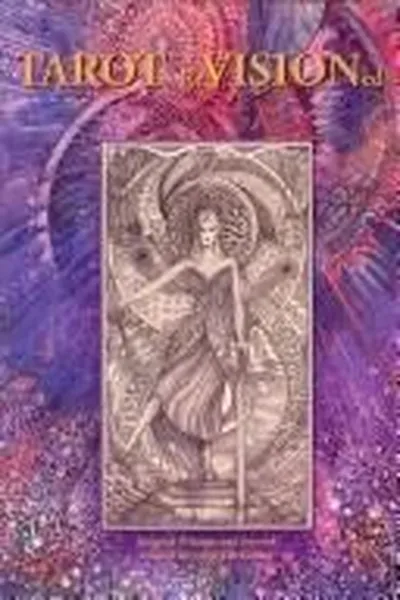
### Design and Utility Published in 2019, the notebook features a 6x9 inch format with 120 lined pages. It includes a table of contents and numbered pages, features common in journals designed for organized note-taking. The aesthetic is described as original artwork with elegant typographic design, aiming to be an "eye-catcher" that stands out from more generic stationery.
### Documenting Divination This notebook is intended to be a practical aid for tarot practitioners. Its structure supports the recording of readings, personal interpretations, and reflections on the tarot cards. The emphasis is on the tangible act of writing down one's experiences with the cards as a means of deepening understanding and personal connection to the practice.
💡 Why Read This Book?
• Gain a structured method for personal tarot interpretation, directly supported by the notebook's 2019 publication, encouraging consistent practice. • Enhance your tarot reading recall by utilizing the table of contents and numbered pages, specific features designed for organized divination logging. • Develop a unique dialogue with your tarot deck through dedicated writing space, fostering a deeper connection than passive study allows.
⭐ Reader Reviews
Honest opinions from readers who have explored this book.
❓ Frequently Asked Questions
What is the primary purpose of the "Truth Is in the Tarot Cards" notebook?
The notebook is designed as a practical tool for tarot card readers to record their readings, interpretations, and personal insights, facilitating a more organized and reflective practice.
When was "Truth Is in the Tarot Cards" first published?
The notebook was first published on April 14, 2019, as indicated by its initial release date.
What are the physical dimensions and page count of this notebook?
The notebook measures 6x9 inches and contains 120 lined pages, making it a convenient size for carrying and extensive note-taking.
Does this notebook offer guidance on how to read tarot cards?
No, this notebook is intended for those who already know how to read tarot cards. It provides a space to document their practice rather than teaching the art of reading.
What makes the design of this notebook stand out?
The design features original artwork with an elegant typographic style, aiming to be an eye-catching and distinct item for tarot enthusiasts who appreciate unique aesthetics.
Is this notebook suitable as a gift for a tarot reader?
Yes, the notebook is presented as a great gift idea for passionate tarot card readers, especially those who already own tarot decks and related materials.
🔮 Key Themes & Symbolism
Practical Divination Logging
This work emphasizes the utility of documenting tarot readings. It moves beyond abstract theory to provide a structured system for users to record their card interpretations, spread layouts, and personal reflections. The inclusion of a table of contents and numbered pages, common in research journals since the late 19th century, facilitates easy retrieval of past readings. This focus on tangible record-keeping suggests a belief that consistent practice and documented observation are key to unlocking the deeper truths within the cards.
Personalized Tarot Practice
The notebook caters to the individual practitioner, offering a blank canvas for personal engagement with tarot. It acknowledges that each reader's connection to the cards is unique. The design, with its "eye-catcher" aesthetic, aims to inspire and please the user, making the act of journaling a more enjoyable part of their esoteric toolkit. The core message, "The truth is in the tarot cards," reinforces the idea that the answers and insights are inherent within the deck, and this notebook is a tool to access them.
The Tarot Reader's Toolkit
Positioned as an accessory for those already invested in tarot, this notebook complements existing decks, books, and bags. It fills a specific niche by providing a dedicated space for the application of tarot knowledge. This approach aligns with a practical, hands-on methodology prevalent in many esoteric traditions where consistent practice and dedicated study are paramount to spiritual or psychological development.
💬 Memorable Quotes
“The truth is in the tarot cards.”
— This central phrase suggests that the wisdom and guidance sought through tarot reading are inherent within the cards themselves, waiting to be uncovered through diligent practice and interpretation.
“Stylish notebook 6x9 inches lined 120 pages with table of contents and numbered pages.”
— This descriptive statement highlights the practical, organized nature of the tool, emphasizing its utility for systematic record-keeping in esoteric practices.
“FOR TAROT CARD READERS - Great design for those who love tarot and already own a tarot card deck, books, sets, bags, and other supplies!”
— This clearly defines the intended user, positioning the notebook as an essential addition to an existing collection of tarot-related materials for enthusiasts.
“EYE-CATCHER - This design stands out! Original artwork with elegant typographic design.”
— This points to the aesthetic appeal of the notebook, suggesting that its visual presentation is as important as its functional purpose for the user.
“GREAT GIFT - Buy this funny design for a passionate tarot card reader!”
— This frames the notebook as a thoughtful and appropriate gift, acknowledging the passion of tarot practitioners and offering a practical yet visually appealing item.
🌙 Esoteric Significance
Tradition
This work aligns with the practical, applied branches of Western esotericism that focus on divination as a tool for self-discovery and guidance. While not explicitly tied to a single lineage like Hermeticism or Kabbalah, it shares the hermeneutic impulse found in many esoteric traditions – the belief that hidden meanings can be revealed through symbolic systems like the tarot. It departs from more theoretical or ceremonial approaches by offering a straightforward, functional artifact for daily practice.
Symbolism
The primary "symbol" is the tarot deck itself, which, since its late 18th-century divinatory application in France (often linked to Antoine Court de Gébelin's interpretations), has been seen as a symbolic language. This notebook, by extension, becomes a meta-symbol: a space designed to capture and interpret the symbols presented by the cards. The 'eye-catcher' design itself can be seen as a nod to the concept of inner vision or spiritual sight, crucial for interpreting esoteric symbols.
Modern Relevance
Contemporary practitioners, particularly those active on social media platforms like Instagram and TikTok, often seek aesthetically pleasing and functional tools to enhance their spiritual practices. This notebook fits squarely into that trend, appealing to a generation that integrates digital and physical tools for self-care and divination. It resonates with modern mindfulness and journaling trends, applying them specifically to the practice of tarot reading.
👥 Who Should Read This Book
• Individuals new to tarot who want a dedicated space to document their learning process and initial interpretations of card meanings. • Experienced tarot readers seeking a more organized system for tracking readings, noting patterns, and deepening their personal understanding of the cards. • Those interested in journaling as a spiritual practice, looking for a specific application within the realm of divination and self-reflection.
📜 Historical Context
Published in 2019, Tatyana Tarotista's "Truth Is in the Tarot Cards" emerged in an era of renewed interest in esoteric practices, particularly tarot, often fueled by online communities and digital accessibility. This period saw a surge in both academic and popular engagement with divination systems, moving beyond the counter-culture movements of the 1960s and 70s. While figures like Aleister Crowley and Pamela Colman Smith had already established foundational decks and interpretive systems in the early 20th century, the 2019 publication reflects a contemporary interpretation and application of these traditions. Unlike more scholarly works that might engage with the historical development of cartomancy or delve into Jungian archetypes, Tarotista's work prioritizes practical application. It appears to be a response to the market for functional tools that support personal spiritual or psychological exploration, rather than a contribution to the academic discourse on occultism or comparative religion. Its reception is likely within the sphere of individual practitioners seeking organized methods for personal growth.
📔 Journal Prompts
The concept of 'truth in the tarot cards' and your personal experience.
Documenting the 'The truth is in the tarot cards' slogan in relation to a recent reading.
Reflecting on the utility of numbered pages for tracking your tarot journey.
How does the 'eye-catcher' design of your notebook influence your practice?
Connecting your personal tarot supplies with the insights recorded in this notebook.
🗂️ Glossary
Tarot Deck
A set of 78 cards, typically divided into the Major Arcana and Minor Arcana, used for divination, introspection, and spiritual guidance.
Major Arcana
The 22 trump cards in a tarot deck, representing significant life events, spiritual lessons, and archetypal themes.
Minor Arcana
The 56 cards in a tarot deck, divided into four suits (Wands, Cups, Swords, Pentacles), representing everyday experiences and challenges.
Reading
The process of interpreting tarot cards drawn in a specific layout (spread) to gain insight into a question or situation.
Spread
A specific arrangement of tarot cards laid out for interpretation, designed to address particular aspects of a question or situation.
Interpretation
The act of assigning meaning to a tarot card based on its imagery, symbolism, position in a spread, and the reader's intuition.
Table of Contents
An organizational feature listing the sections or pages of a document, allowing users to quickly locate specific information within the notebook.