Truth Is in the Tarot Cards
 83
83

Truth Is in the Tarot Cards
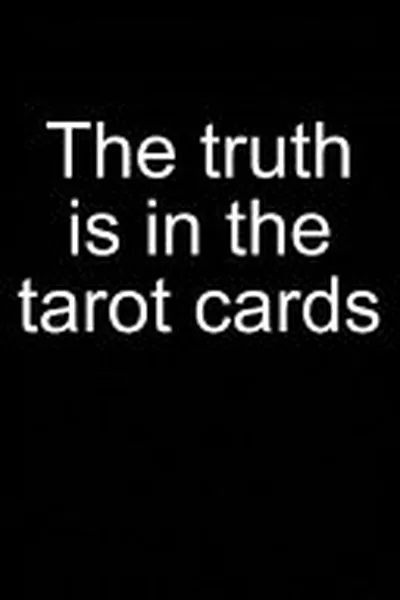
Tatyana Tarotista's "Truth Is in the Tarot Cards" presents itself not as a guide to tarot's meaning, but as a dedicated space for its practitioners to document their own findings. The 2019 publication is a well-constructed 6x9 inch notebook, featuring a dot grid and numbered pages, a practical choice for those who prefer a more structured yet flexible journaling experience compared to standard lined paper. Its strength lies in its singular focus: providing a functional, aesthetically pleasing tool for the serious tarot reader. The bold "The truth is in the tarot cards" emblazoned on the cover is an effective, if somewhat blunt, declaration of purpose. However, its limitation is precisely this focus; it offers no interpretative content whatsoever. One particularly useful feature is the inclusion of a table of contents, allowing users to quickly reference past readings or insights, a detail often overlooked in simpler notebooks. Ultimately, it serves its niche purpose adequately but without any added depth beyond its physical utility.
📝 Description
83
### What It Is
This publication, "Truth Is in the Tarot Cards," by Tatyana Tarotista, first appearing in print on April 11, 2019, is not a typical book offering esoteric instruction. Instead, it functions as a specialized notebook designed for individuals deeply immersed in the practice and study of tarot. Its format is a standard 6x9 inch dimension with 120 pages. The interior features a dot grid layout, which offers flexibility for note-taking, sketching, or custom organization, distinct from the lined pages found in many journals. A table of contents and numbered pages are included to aid in systematic record-keeping.
### Who It's For
This item is expressly crafted for existing tarot card enthusiasts. It caters to those who already possess a collection of tarot decks, related literature, and accessories such as card bags or reading cloths. The core audience comprises individuals who view tarot as more than a hobby, but as a significant tool for self-reflection and divination. The design, with its bold typographic statement, is intended to appeal to those who appreciate aesthetic elements in their spiritual or divinatory tools and who seek functional items that also express their passion.
### Historical Context
While "Truth Is in the Tarot Cards" is a contemporary item (2019), its design and purpose tap into a long history of keeping records and personal reflections related to divination. The use of tarot itself gained significant traction in the late 19th and early 20th centuries, influenced by occult revival movements and figures like Eliphas Lévi and later A.E. Waite, who co-created the Rider-Waite deck in 1909. This notebook echoes the tradition of scribes and mystics who meticulously documented their visions, interpretations, and correspondences, seeking patterns and deeper meaning within symbolic systems. The rise of personal journaling in esoteric practices has continued unabated, particularly with the accessibility of tools like this.
### Key Concepts
The central concept is the direct correlation between the visual and symbolic language of tarot cards and the discovery of personal truth. The notebook's design implicitly supports the idea that the "truth" is not solely contained within the cards themselves but is also revealed through the act of engagement, interpretation, and recording. The phrase "The truth is in the tarot cards" serves as a mantra or guiding principle for the user. The dot grid offers a flexible space for mapping out spreads, noting intuitive hits, or sketching symbolic connections, thereby facilitating a personal dialogue with the archetypal imagery of the tarot.
💡 Why Read This Book?
• Gain a dedicated, structured space for your tarot readings, directly referencing the 2019 publication's dot-grid layout and numbered pages to organize your personal divinatory records. • Enhance your intuitive connection to tarot by using the provided table of contents to track patterns and insights over time, mirroring the intent behind Tatyana Tarotista's design. • Express your identity as a tarot enthusiast with a notebook featuring original artwork and a clear typographic statement, affirming your commitment to the practice.
⭐ Reader Reviews
Honest opinions from readers who have explored this book.
❓ Frequently Asked Questions
What is the primary purpose of the 'Truth Is in the Tarot Cards' notebook?
This notebook is designed specifically for tarot card readers to document their readings, interpretations, and personal insights. It's a functional tool for those who actively use tarot decks and wish to keep a structured record of their practice, rather than an instructional guide to tarot itself.
What makes the page layout of this notebook unique for tarot practitioners?
The notebook features a 6x9 inch size with 120 pages laid out in a dot grid pattern. This offers more flexibility for drawing card layouts, making notes, or sketching symbols compared to traditional lined paper, and includes a table of contents for easy referencing.
Who is the ideal user for Tatyana Tarotista's notebook?
The ideal user is someone who already owns tarot cards and related supplies, and who views tarot as a serious tool for self-discovery or divination. It's for passionate readers who appreciate practical, aesthetically designed tools that reflect their interest.
When was 'Truth Is in the Tarot Cards' first published?
The first publication date for 'Truth Is in the Tarot Cards' by Tatyana Tarotista was April 11, 2019. This places it within the contemporary resurgence of interest in divination and journaling practices.
Does this notebook contain information on how to read tarot cards?
No, this publication is exclusively a notebook. It does not contain any instructional content on tarot card meanings or reading techniques. Its purpose is to serve as a personal record-keeping tool for those who already know how to read tarot.
What kind of artwork or design elements are featured on the cover?
The cover features original artwork with an elegant typographic design, prominently displaying the text 'The truth is in the tarot cards.' It is designed to be an eye-catcher, appealing to those who appreciate unique aesthetics in their esoteric tools.
🔮 Key Themes & Symbolism
The Act of Recording
This notebook emphasizes the power of documentation in the tarot practice. By providing a structured and aesthetically pleasing space, it encourages users to actively record their readings, intuitive impressions, and subsequent reflections. This process transforms passive observation into an active dialogue with the cards, treating each recorded session as a piece of personal esoteric scholarship. The inclusion of numbered pages and a table of contents, as seen in the 2019 publication, underscores the value placed on creating a traceable and organized archive of one's divinatory experiences.
Personal Truth Revelation
The core assertion, 'The truth is in the tarot cards,' is interpreted here not as an objective, universal truth, but as a subjective revelation accessible through the cards. The notebook serves as a conduit for this personal discovery. Each entry becomes an opportunity to uncover unique insights and perspectives relevant to the individual's life path. It positions the tarot reader as an active co-creator of meaning, where the symbols on the cards act as prompts for introspection and the uncovering of deeply held personal truths.
Aesthetic and Functional Tools
The design of the notebook itself is a key theme, blending artistic appeal with practical utility. The original artwork and elegant typography on the cover signal that esoteric tools can be both beautiful and functional. The 6x9 inch size and dot grid layout are deliberate choices catering to the specific needs of tarot readers who might sketch spreads, add symbols, or create custom organizational systems. This focus highlights the importance of the physical tools used in spiritual practices and their influence on the user's engagement.
The Tarot Reader's Identity
This item is explicitly marketed towards individuals who identify strongly as tarot card readers. It acknowledges and caters to a community that invests in decks, books, bags, and other supplies. The notebook acts as a badge of this identity, providing a functional item that also visually declares one's passion for tarot. It supports the idea that dedicated tools enhance the practice and reinforce the reader's commitment and personal connection to the art of divination.
💬 Memorable Quotes
“The truth is in the tarot cards.”
— This central phrase encapsulates the book's philosophy: that the tarot is a direct source of personal revelation and insight, to be discovered and documented by the reader.
“Stylish notebook 6x9 inches dotted (with dot grid) 120 pages with table of contents and numbered pages.”
— This describes the physical attributes, highlighting the deliberate design choices made to enhance usability for note-taking and organization of readings.
“FOR TAROT CARD READERS - Great design for those who love tarot...”
— This clearly defines the intended audience, emphasizing that the product is specifically for individuals already engaged with and passionate about tarot practice.
“Original artwork with elegant typographic design.”
— This points to the aesthetic considerations of the notebook, suggesting it's more than just a utilitarian item but also a piece of art that appeals to the user's sense of style.
“GREAT GIFT - Buy this funny design for a passionate tarot card reader!”
— This positions the notebook as an ideal present, acknowledging the dedicated nature of tarot enthusiasts and suggesting the item is both thoughtful and practical.
🌙 Esoteric Significance
Tradition
While not explicitly tied to a single lineage like Hermeticism or Kabbalah, this work functions within the broader contemporary esoteric landscape that draws eclectically from various traditions. Its emphasis on personal truth-telling through divination aligns with the modern spiritual emphasis on individual revelation, a concept present in many mystical paths. It serves as a practical tool for those engaging with archetypal symbolism, a cornerstone of many esoteric systems that seek to understand the human psyche and its connection to the cosmos.
Symbolism
The primary symbolic element is the tarot deck itself, a system rich with archetypes from the Major Arcana (e.g., The Fool, The Magician) and the Minor Arcana. The notebook's dot grid can be seen as a symbolic representation of potential and structure, allowing the user to map their own symbolic interpretations and connections. The phrase 'The truth is in the tarot cards' acts as a symbolic key, directing the user's focus towards the inherent wisdom embedded within the card imagery.
Modern Relevance
This notebook is highly relevant to contemporary practitioners of tarot, modern paganism, and those exploring self-help through divination. Thinkers and practitioners like Benebell Wen, author of 'Holistic Tarot,' who advocate for thorough documentation and personal exploration, resonate with the utility offered here. It supports the growing trend of digital nomads and modern mystics who seek portable, functional tools for their spiritual practices, integrating them seamlessly into daily life.
👥 Who Should Read This Book
• Dedicated tarot card readers seeking a structured and aesthetically pleasing system for recording their readings and insights. • Individuals interested in comparative divination practices who wish to document their exploration of tarot alongside other methods. • Students of esoteric symbolism who use tarot as a primary tool for understanding archetypes and wish to maintain a personal journal of their interpretations.
📜 Historical Context
The publication of "Truth Is in the Tarot Cards" in 2019 arrives during a period of significant resurgence in esoteric practices, particularly among younger demographics and online communities. This contemporary revival builds upon foundations laid in the late 19th and early 20th centuries, which saw figures like Arthur Edward Waite and Pamela Colman Smith popularizing decks like the Rider-Waite in 1909, fundamentally shaping modern tarot imagery. While Waite was part of a larger occult revival movement that included groups like the Hermetic Order of the Golden Dawn, Tatyana Tarotista's work is a modern, functional artifact rather than a theoretical text. It exists in a landscape where esoteric knowledge is increasingly democratized and personalized, contrasting with the more exclusive, often hierarchical structures of earlier magical orders. The book's reception, primarily as a practical tool, places it outside the debates surrounding academic occultism or historical esoteric philosophy, focusing instead on direct application by practitioners.
📔 Journal Prompts
The Fool's initial leap: What unknown territory does your current reading invite you to explore?
Mapping the Court Cards: How do the King, Queen, Knight, and Page reflect interpersonal dynamics in your life?
The Tower's revelation: What foundational beliefs are being challenged or dismantled by this reading?
The Wheel of Fortune's turn: Where do you perceive cycles of change and destiny at play in your recorded readings?
The Magician's manifestation: How can the energies of this spread be consciously directed towards your goals?
🗂️ Glossary
Dot Grid
A page layout featuring a grid of evenly spaced dots, offering more flexibility for drawing, writing, and creating custom layouts than traditional lined or blank pages. Ideal for visual note-taking.
Table of Contents
An organizational feature within the notebook, allowing users to list and number their entries, making it easier to locate specific readings or notes at a later time.
Tarot Reader
An individual who uses tarot cards as a tool for divination, self-reflection, or spiritual guidance, interpreting the symbolic imagery of the cards.
Esoteric
Relating to or concerned with the nature of reality, knowledge, and existence, often involving hidden meanings, spiritual insights, or mystical practices accessible to initiates or those with specialized knowledge.
Divination
The practice of seeking knowledge of the future or the unknown by supernatural means, such as interpreting omens, casting lots, or using tools like tarot cards.
Archetype
In esoteric and psychological contexts, a universal, archaic symbol or image that derives its meaning from the collective unconscious, often represented in tarot cards.
Typographic Design
The art and technique of arranging typefaces and displaying them so as to make the copy readable, clear, and visually appealing on the cover or within the publication.