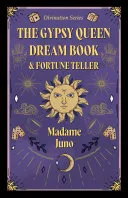
The Gypsy Queen Dream Book and Fortune Teller (Divination Series)
 72
72

The Gypsy Queen Dream Book and Fortune Teller (Divination Series)
Madame Juno's "The Gypsy Queen Dream Book and Fortune Teller" presents a straightforward approach to dream interpretation and divination, eschewing complex theory for practical application. The strength of this volume lies in its directness; it offers a plethora of dream symbols and their alleged meanings, alongside clear instructions for fortune-telling with dominoes. This accessibility is commendable, particularly for those new to these subjects. However, the interpretations, while extensive, can feel somewhat rigid, lacking the nuanced psychological depth found in later psychoanalytic approaches to dreams. The book’s assertion that "the true interpretation of every dream you are likely to have" is provided feels overly confident, a common trait in such works from the early 20th century. Nevertheless, for its intended purpose as a practical handbook, it serves its function adequately. It's a functional guide for the curious beginner, if not a profound scholarly text.
📝 Description
72
### What It Is
This volume, first published in 1930 and later reissued, offers a comprehensive guide to understanding dream symbolism and practicing various fortune-telling techniques. Authored by Madame Juno, self-proclaimed "Gypsy Queen," the book presents a system for interpreting common dream imagery, suggesting specific meanings for recurring motifs and scenarios. It also outlines methods for divination, including techniques for reading dominoes and other predictive arts. The content aims to equip readers with practical skills for self-exploration through dreams and for foretelling future events.
### Who It's For
The intended audience includes individuals curious about the language of dreams, seeking to decipher their subconscious messages. It is also for aspiring practitioners of divination arts who desire instruction in traditional fortune-telling methods. Those interested in the historical evolution of esoteric practices, particularly those associated with Romani culture and folk divination, will find value here. The book is suitable for readers looking for accessible, hands-on guidance in these mystical disciplines.
### Historical Context
Published in an era when interest in spiritualism and occult sciences was high, this book emerged alongside a broader cultural fascination with the unseen. The early 20th century saw numerous publications on dream interpretation and divination, reflecting a societal desire for meaning beyond the material. Madame Juno’s work aligns with the tradition of folk diviners and seers who often blended intuitive knowledge with established symbolic systems. Its initial release in 1930 placed it within a landscape populated by figures like Aleister Crowley and Dion Fortune, though often in more popular, less academically rigorous vein.
### Key Concepts
The core of the book revolves around the concept of dream interpretation as a direct line to personal insight and guidance. Madame Juno posits that dreams are not random but contain coded messages that can be systematically decoded. Fortune-telling is presented as a complementary skill, offering a means to anticipate or understand external circumstances. The work emphasizes the symbolic nature of both dream imagery and the tools of divination, such as dominoes, suggesting that patterns and configurations hold predictive power.
💡 Why Read This Book?
• Learn specific interpretations for a wide array of dream symbols, as outlined in the "Dreams and Their Interpretations" chapter, offering concrete meanings beyond generic advice. • Acquire practical fortune-telling skills by following Madame Juno's instructions for reading dominoes, a specific divination method detailed within the text. • Explore the historical context of early 20th-century divination practices, understanding how this book fit into the popular esoteric landscape of its time.
⭐ Reader Reviews
Honest opinions from readers who have explored this book.
❓ Frequently Asked Questions
What is the origin of "The Gypsy Queen Dream Book and Fortune Teller"?
The book was originally published in 1930 by Madame Juno, who presented herself as the "Gypsy Queen." This edition is a reissue of that foundational work on dream interpretation and divination.
What specific divination methods are covered in the book?
The book primarily focuses on interpreting dreams and provides detailed instructions on how to tell fortunes using dominoes, a less common but historically recognized method of divination.
Is "The Gypsy Queen Dream Book" suitable for beginners in divination?
Yes, the book is designed for accessibility, offering clear explanations of dream meanings and step-by-step guidance for fortune-telling techniques, making it suitable for those new to esoteric practices.
What is the significance of Madame Juno in the context of the book?
Madame Juno is presented as the author and authority on the subject, adopting the persona of the "Gypsy Queen" to lend credibility and mystique to her teachings on dreams and divination.
When was the first edition of this book published?
The first edition of "The Gypsy Queen Dream Book and Fortune Teller" by Madame Juno was published on May 31, 2013, with the original publication date of the content being 1930.
What kind of dreams does the book claim to interpret?
The book asserts it provides interpretations for 'every dream you are likely to have,' covering a broad spectrum of common and recurring dream scenarios and symbols.
🔮 Key Themes & Symbolism
Dream Symbolism Decoded
The work meticulously catalogues a vast array of dream images, from common animals to abstract concepts, assigning them specific, often predictive, meanings. It operates on the premise that the subconscious communicates through a universal symbolic language. For instance, dreaming of a specific number or object is presented not as a random occurrence but as a direct message requiring decoding, aligning with traditional esoteric methods of understanding hidden correspondences.
Practical Divination Arts
Beyond dream interpretation, the book serves as a manual for practical fortune-telling. The detailed instructions for reading dominoes exemplify this, presenting a system where the placement and combination of dots hold predictive significance. This approach reflects a broader historical interest in accessible, everyday divination tools, moving beyond more complex systems to offer tangible methods for seekers of foresight.
The 'Gypsy Queen' Persona
The author's adopted title, 'Gypsy Queen,' is integral to the book's presentation. This persona evokes a connection to Romani traditions of fortune-telling and mystical insight, a popular archetype in the early 20th century. It suggests an inherited, intuitive knowledge passed down through generations, lending an air of authenticity and mystique to the practical advice offered within its pages.
Subconscious Communication
The core thesis is that dreams are a primary channel through which the subconscious mind communicates vital information. The book empowers readers to engage with this internal dialogue, translating the often-obscure language of dreams into actionable understanding about their waking lives and potential futures. This aligns with the esoteric belief in the interconnectedness of the conscious and subconscious realms.
💬 Memorable Quotes
“The true interpretation of every dream you are likely to have.”
— This statement, central to the book's promise, suggests a comprehensive and definitive system for understanding dream symbolism, positioning the author as an ultimate authority on subconscious messages.
“How to Tell Fortunes by Dominoes.”
— This chapter title highlights the book's practical focus, offering a specific, tangible method of divination beyond the more abstract realm of dream interpretation.
“Madame Juno, the Gypsy Queen.”
— This self-appellation frames the author's authority, drawing on the mystique and traditional associations of 'Gypsy' fortune-tellers prevalent in early 20th-century culture.
“Shine a light on the meaning of your dreams.”
— This phrase encapsulates the book's primary aim: to demystify dream imagery and provide clarity on the messages the subconscious seeks to convey.
“Develop your skills in fortune-telling.”
— This directly addresses the reader's potential aspirations, promising not just knowledge but the cultivation of practical, predictive abilities through the methods presented.
🌙 Esoteric Significance
Tradition
This work draws from the broad stream of folk divination and dream interpretation traditions, particularly those associated with popular European esoteric practices of the early 20th century. While not strictly adhering to a formalized system like Hermeticism or Kabbalah, it taps into the widespread belief in symbolic language and subconscious communication prevalent across many esoteric lineages. Its 'Gypsy Queen' moniker links it to traditions of nomadic seers, often perceived as possessing an innate or inherited gift for divination.
Symbolism
The book's symbolism is primarily found in its extensive catalog of dream imagery. Common objects, animals, and situations are imbued with specific meanings. For example, while not detailed in the original blurb, typical dream books of this era might assign meanings to symbols like water (emotions), flying (freedom or escape), or teeth falling out (anxiety about loss or control). The dominoes themselves become symbolic objects, their dots and arrangements forming a visual language for divination.
Modern Relevance
Contemporary interest in dream analysis, particularly within self-help and personal development spheres, echoes the core purpose of this book. While modern psychology offers more nuanced theories, the desire to find meaning in dreams persists. Furthermore, the resurgence of interest in traditional and folk divination methods means that practical guides like this, focusing on tools like dominoes, continue to attract practitioners seeking accessible entry points into predictive arts.
👥 Who Should Read This Book
['• Aspiring dream interpreters seeking a foundational guide with clear symbol definitions.', '• Individuals interested in learning practical, traditional fortune-telling methods like domino reading.', '• Researchers of early 20th-century popular occultism and divination practices.']
📜 Historical Context
Emerging in 1930, "The Gypsy Queen Dream Book" appeared during a period of heightened public interest in the occult and spiritualism. The early 20th century saw a surge in popular esoteric literature, with works on psychical research, astrology, and divination becoming widespread. Madame Juno's book fits within this trend, offering accessible guidance that mirrored the era's fascination with uncovering hidden truths and personal destiny. While figures like Aleister Crowley explored more complex magical systems, popular authors like Juno provided simpler, practical methods for the average reader. This era also saw the rise of numerous self-proclaimed psychics and seers, and the 'Gypsy Queen' persona was a common trope, tapping into romanticized notions of Romani mysticism. The book likely resonated with a public seeking answers and control in a rapidly changing world, offering a blend of folk wisdom and structured interpretation.
📔 Journal Prompts
Reflect on the recurring symbols from the "Dreams and Their Interpretations" chapter that have appeared in your own dreams.
Analyze the significance of domino arrangements based on Madame Juno's fortune-telling methods.
Consider the 'Gypsy Queen' persona and its historical role in popular divination.
How does the book's approach to dream interpretation compare to modern psychological perspectives?
Explore the practical application of interpreting a specific dream using the book's provided meanings.
🗂️ Glossary
Divination
The practice of seeking knowledge of the future or the unknown by supernatural means. This book offers methods such as dream interpretation and reading dominoes.
Dream Interpretation
The process of analyzing the symbolic content of dreams to understand their meaning, often relating to the subconscious mind, emotions, or future events.
Esoteric
Intended for or likely to be understood by only a small number of people with a specialized knowledge or interest. In this context, it refers to mystical or occult subjects.
Fortune Telling
The practice of predicting future or possible events. This book provides specific techniques, notably using dominoes.
Symbolism
The use of symbols to represent ideas or qualities. In dream analysis and divination, objects, images, or actions in dreams or readings represent deeper meanings.
Dominoes (Divination)
In this context, dominoes are used not just for games but as tools for divination, where the patterns and numbers formed by their arrangement are interpreted to predict events.
Subconscious Mind
The part of the mind of which we are not aware but which influences our actions and feelings. Dreams are considered a primary way the subconscious communicates.






![CIA Reading Room cia-rdp84-00022r000200150084-5: ORIENTATION COURSE LECTURE ON 'SERVICES OF [ ] [ ]'](/img/thumb/cia-reading-room-cia-rdp84-00022r000200150084-5-orientation-course-lecture-on-services-of-cia-reading-room.webp)