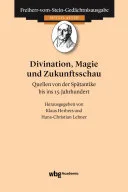
Divination, Magie und Zukunftsschau
 83
83

Divination, Magie und Zukunftsschau
The compilation "Divination, Magie und Zukunftsschau" offers a dense, scholarly examination of medieval approaches to prognostication. Its strength lies in presenting a spectrum of primary sources, from the theological condemnations of Augustine to more nuanced interpretations of natural signs. The inclusion of figures like Tertullian and Isidore of Seville provides crucial context for understanding the long arc of these debates. However, the work's academic density may prove challenging for readers without a background in medieval Latin or historical theology; the original blurbs suggest a breadth of coverage that could benefit from more explicit thematic signposting within the compilation itself. One particularly compelling aspect is the examination of how natural phenomena were interpreted as divine messages, moving beyond simple superstition to reveal complex theological frameworks. This collection serves as a foundational resource for serious students of medieval esotericism.
📝 Description
83
### What It Is Divination, Magie und Zukunftsschau presents a curated collection of influential medieval texts concerning prognostication and future-telling. It gathers significant writings that reveal how individuals in the Middle Ages sought to interpret divine will through natural phenomena and earthly events. The volume showcases the evolving intellectual landscape surrounding divinatory practices during this period.
### Who It's For This work is intended for scholars of medieval history, religious studies, and the history of magic and divination. It will also appeal to those interested in the intellectual history of Europe, particularly the interplay between faith, reason, and supernatural belief systems. Readers seeking primary source material on medieval esotericism will find it valuable.
### Historical Context The collection situates itself within the late antique and early medieval periods, drawing on figures like Tertullian, Jerome, Augustine, Gregory the Great, and Isidore of Seville. These thinkers grappled with the tension between Christian doctrine and popular divinatory practices, attempting to reconcile or condemn them. The work highlights how such concerns persisted and transformed throughout the centuries, reflecting ongoing debates within the Church and society.
### Key Concepts The book explores the concept of *divinatio* – the act of foretelling the future – and its various forms, from interpreting celestial movements to reading omens in nature. It examines the medieval understanding of prophecy, magic, and the divine will. The texts demonstrate a persistent human desire to understand hidden truths and to gain knowledge of future events, often within a framework of theological justification or condemnation.
💡 Why Read This Book?
• Understand the medieval perspective on interpreting divine will through natural phenomena, as exemplified by the writings of Isidore of Seville. • Gain insight into the historical evolution of prognostication practices from late antiquity through the early Middle Ages, referencing figures like Augustine and Tertullian. • Explore the intellectual tension between Christian doctrine and divinatory arts, as revealed in the compiled influential texts from the period.
⭐ Reader Reviews
Honest opinions from readers who have explored this book.
❓ Frequently Asked Questions
What historical periods does "Divination, Magie und Zukunftsschau" primarily cover?
The book focuses on the late antique and early medieval periods, featuring influential writings from thinkers active between the 2nd and 8th centuries CE, such as Tertullian, Augustine, and Isidore of Seville.
Which key figures from late antiquity are included in the collection?
The collection includes writings from prominent late antique figures such as Tertullian, Jerome, Augustine, Gregory the Great, and Isidore of Seville.
What is the central theme of "Divination, Magie und Zukunftsschau"?
The central theme is the medieval human effort to discern the will of God by seeking divine signs in natural phenomena and earthly events, exploring various forms of divination and future-telling.
Does the book discuss the theological implications of divination?
Yes, the work addresses how medieval individuals and theologians grappled with the tension between Christian doctrine and the practice of divination, presenting a range of perspectives.
What kind of writings are compiled in this volume?
The volume compiles outstanding and particularly influential writings on divination and future-telling from late antiquity and the early Middle Ages.
What does 'Zukunftsschau' mean in the context of the book?
'Zukunftsschau' translates to 'future-gazing' or 'prospection' and refers to the medieval practices and beliefs surrounding the foretelling of future events, as explored in the collected texts.
🔮 Key Themes & Symbolism
Divine Will in Nature
The collection examines how medieval individuals perceived natural phenomena—from celestial movements to animal behavior—as direct communications from the divine. Texts explore the methods and theological justifications used to interpret these signs, reflecting a deep-seated belief that the natural world was imbued with divine intent, offering guidance or warnings about the future. This theme highlights the intellectual and spiritual landscape where faith and observation were intricately linked.
Theological Debates on Prognostication
Central to the volume are the often-conflicting views on divination and magic within Christian thought. Writings from figures like Augustine and Gregory the Great reveal attempts to delineate acceptable forms of seeking divine knowledge from prohibited sorcery. This theme unpacks the historical struggle to reconcile scriptural authority with popular practices, showcasing how theological frameworks shaped the understanding and condemnation or cautious acceptance of future-telling.
Evolution of Divinatory Practices
The book traces the development and transformation of prognostication techniques across centuries, from late antiquity into the early Middle Ages. By juxtaposing earlier classical influences with evolving medieval interpretations, the collection demonstrates the diversity and changing intellectual currents surrounding the desire to know the future. It illustrates how societal needs and theological shifts influenced the methods and perceived validity of divinatory arts.
The Role of Authority Figures
Influential figures like Tertullian, Jerome, Augustine, Gregory the Great, and Isidore of Seville serve as anchors for understanding the discourse on divination. Their writings, included in this compilation, shaped the intellectual and religious climate regarding the supernatural and the future. This theme emphasizes how the pronouncements of established authorities, whether for or against certain practices, profoundly influenced societal beliefs and scholarly discourse.
💬 Memorable Quotes
“Mittelalterliche Menschen waren in ihrer Abhängigkeit ständig bemüht, den Willen Gottes zu lesen.”
— This opening statement captures the core motivation behind medieval divinatory practices: a profound reliance on divine guidance in an uncertain world. It underscores the active, continuous effort to perceive God's intentions through various means.
“Suchend nach Spuren des Heiligen in Naturphänomenen wie in irdischen Begebenheiten.”
— This phrase highlights the methodology of medieval divination, where sacred signs were sought not only in grand celestial events but also in the mundane occurrences of daily life, reflecting a holistic view of divine communication.
“Die Edition versammelt herausragende und besonders einflussreiche Schriften zur Divination und Zukunftsschau.”
— This declaration emphasizes the curated nature of the volume, focusing on seminal texts that significantly shaped the discourse on future-telling and prognostication during the covered historical periods.
“Von Größen der Spätantike wie Tertullian, Hieronymus und Augustinus über Gregor den Großen, Isidor von Sevilla un”
— This indicates the chronological and intellectual breadth of the collection, spanning key theological and philosophical voices from late antiquity whose works laid foundational arguments concerning divination.
“Zeigt so die Vielfalt und den Wandel im Denken der Zeitgenossen über die Prognostik.”
— This suggests the volume's aim to illustrate the dynamic nature of medieval thought regarding prognostication, revealing not a monolithic view but a spectrum of evolving ideas and interpretations over time.
🌙 Esoteric Significance
Tradition
This work fits within the broader Western esoteric tradition, specifically concerning the historical development of divination and its theological interpretation within Christianity. It does not align with a singular esoteric lineage like Kabbalah or Hermeticism but rather examines how these broader intellectual currents intersected with, and were often contested by, dominant religious authorities during the formative centuries of Western thought.
Symbolism
While not focused on symbolic systems in the way a grimoire might be, the texts implicitly deal with symbols of divine will found in nature—celestial patterns, unusual weather, or animal behavior. These phenomena function symbolically, representing messages or omens from a higher power, requiring interpretation by those attuned to divine signs. The concept of prophecy itself, as a divinely inspired insight, is a key symbolic representation of knowing the future.
Modern Relevance
Contemporary practitioners of divination, historical researchers, and scholars of religion continue to draw upon the foundational texts and debates presented here. The volume offers critical historical context for understanding the roots of Western divination practices, informing modern discussions on belief, superstition, and the human desire for knowledge about the future within academic and esoteric circles.
👥 Who Should Read This Book
• Academic researchers specializing in medieval history, religious studies, or the history of magic and divination, seeking primary source material. • Students of late antique and early medieval intellectual history interested in the interplay between theology, philosophy, and popular beliefs. • Individuals curious about the historical roots of Western divinatory practices and the theological frameworks that governed them in formative centuries.
📜 Historical Context
The compilation "Divination, Magie und Zukunftsschau" engages directly with the intellectual and religious currents of late antiquity and the early Middle Ages, a period marked by the consolidation of Christian doctrine. Thinkers like Augustine of Hippo (354-430 CE) were pivotal in shaping theological attitudes towards divination, often condemning practices perceived as pagan or demonic while attempting to define legitimate forms of seeking divine knowledge. This work situates itself within that enduring debate, drawing from figures such as Tertullian and Isidore of Seville (c. 560-636 CE). While competing schools of thought, like Neoplatonism, offered alternative frameworks for understanding the cosmos and prophecy, Christian thinkers sought to integrate or refute these within a monotheistic paradigm. The reception of these ideas varied, with some divinatory practices persisting in folk traditions despite official condemnation, creating a complex historical landscape explored by this volume.
📔 Journal Prompts
The medieval search for divine will in natural phenomena.
Augustine's theological stance on prognostication versus divinatio.
Interpreting earthly events as divine signs: a personal reflection.
The evolving understanding of prophecy from Tertullian to Isidore of Seville.
Reconciling faith and future-gazing: medieval challenges and modern parallels.
🗂️ Glossary
Divination
The practice of seeking knowledge of the future or the unknown by supernatural means. In the medieval context, this often involved interpreting omens, celestial events, or other phenomena as divine messages.
Zukunftsschau
A German term translating to 'future-gazing' or 'prospection.' It encompasses various methods and beliefs related to foretelling future events, a central theme explored through the historical texts compiled in the book.
Prognostik
The field or practice of forecasting future events, particularly in medicine, but in this context, broadly referring to the prediction of future occurrences through various interpretive methods.
Spätantike
The period of late antiquity, generally considered to span from the 3rd to the 6th or 8th century CE. This era saw significant theological and philosophical developments that influenced early medieval thought.
Heiligen
Referring to the 'Holy' or divine. In the context of the book, it relates to seeking divine signs and understanding the sacred will within the natural world and historical events.
Irdischen Begebenheiten
Earthly occurrences or events. This term signifies that medieval individuals looked for divine signs not only in celestial phenomena but also in the mundane events of daily life.
Theologische
Relating to theology, the study of the nature of God and religious belief. The book examines theological perspectives on divination and magic.