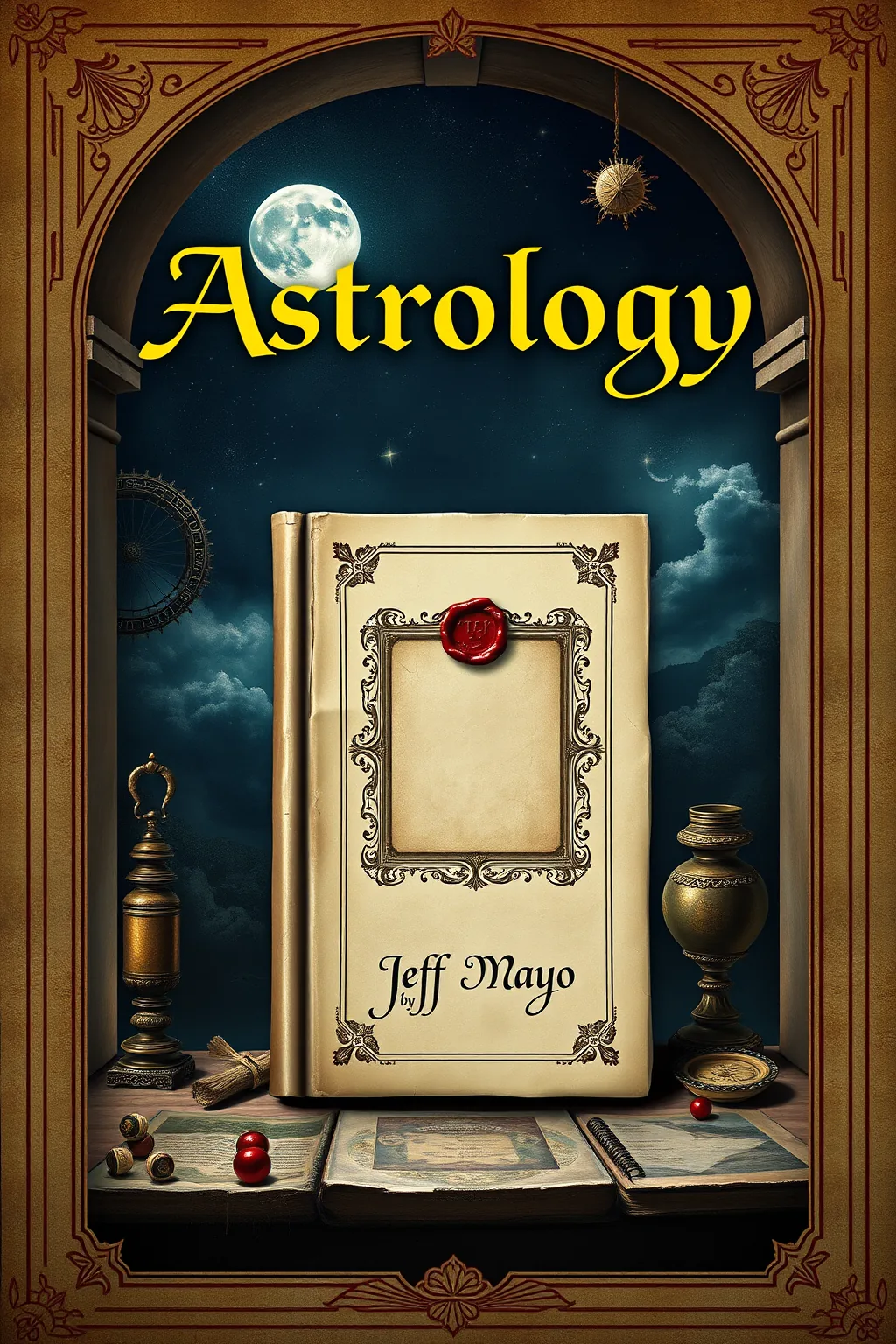
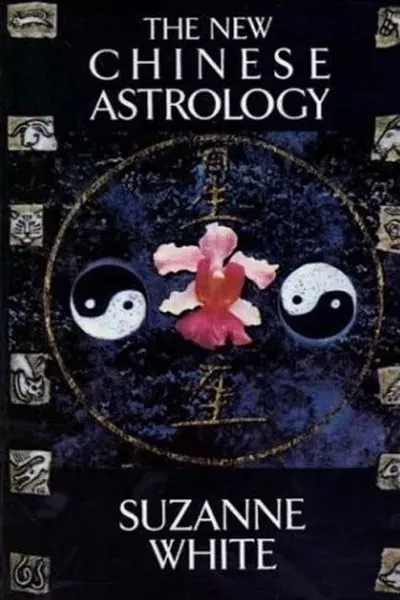
The New Chinese Astrology Suzanne White

 82
82

The New Chinese Astrology Suzanne White
Suzanne White's "The New Chinese Astrology" offers a refreshing, if occasionally dense, re-examination of familiar zodiacal archetypes. Unlike many breezy guides, White grounds her analysis in the Five Elements and Yin-Yang, a necessary depth for anyone truly interested in the mechanics of this system. Her discussion of the 1989 Year of the Snake, for instance, provides a solid example of how elemental combinations create specific characteristics. However, the sheer volume of information can sometimes feel overwhelming, with the detailed elemental breakdowns occasionally overshadowing the more accessible animal sign narratives.
Despite this, the book provides a robust framework for understanding the interconnectedness of the zodiacal influences. It’s a work that rewards careful reading and repeated consultation, offering layers of meaning that unfold with each engagement. White's approach ultimately serves as a valuable tool for self-discovery through the lens of ancient Chinese wisdom.
📝 Description
82
Suzanne White's 1997 book details a Chinese astrology system combining animal signs, elements, and Yin-Yang principles.
Suzanne White's work moves past simple animal sign assignments in Chinese astrology. She integrates the twelve zodiac animals with the five elements—Wood, Fire, Earth, Metal, and Water—and the principles of Yin and Yang. This approach creates a more detailed understanding of individual destinies than common interpretations allow. The book offers a comprehensive guide for readers interested in applying these astrological concepts. It aims to help individuals understand personal relationships, career trajectories, and the energies of different life stages. White's aim is to provide self-knowledge through this ancient Chinese system.
The Chinese Zodiac has origins stretching back millennia, with early records found in the Han Dynasty. This system, a core part of Chinese culture, served various functions, including calendrical calculations, agricultural planning, and divination. Over centuries, it absorbed astrological and philosophical ideas that became central to East Asian thought. White's book, published in the late 20th century, engages with these long-standing traditions from a contemporary perspective.
The Chinese Zodiac is rooted in a cosmological framework that views time and existence as cyclical and interconnected. Its development over centuries incorporated Taoist philosophy, influencing its understanding of balance (Yin-Yang) and the transformative nature of the five elements. This system is not merely predictive but also a tool for understanding the inherent energies within individuals and their relationships to the natural world and the passage of time. White's work places her within a tradition of modern astrologers who interpret and adapt these ancient concepts for contemporary Western audiences.
💡 Why Read This Book?
• Learn how the Five Elements (Wood, Fire, Earth, Metal, Water) modify the core traits of each of the twelve animal signs, offering a richer self-understanding than basic zodiac charts alone. • Discover the practical implications of elemental interactions, such as the "clashes" and "combinations" between signs, to better navigate relationships and personal dynamics. • Gain insight into the cyclical nature of time in Chinese cosmology, understanding how different elemental years, like the Year of the Snake (1989), possess distinct energetic signatures.
⭐ Reader Reviews
Honest opinions from readers who have explored this book.
❓ Frequently Asked Questions
What is the significance of the Five Elements in Chinese Astrology according to Suzanne White?
Suzanne White emphasizes that the Five Elements—Wood, Fire, Earth, Metal, and Water—are crucial for a nuanced understanding of Chinese Astrology. They interact with each of the twelve animal signs, modifying their inherent characteristics and creating unique personality profiles and destinies.
How does "The New Chinese Astrology" differ from more basic zodiac guides?
This book offers a deeper dive by integrating the Five Elements and Yin-Yang principles with the twelve animal signs. It moves beyond simple year-animal associations to explore complex interactions and energetic influences, providing a more comprehensive astrological portrait.
Can Suzanne White's book help in understanding relationships?
Yes, the book explores concepts like "clashes" and "combinations" between zodiac signs and elements. This allows readers to analyze compatibility and potential dynamics within personal and professional relationships based on ancient Chinese astrological principles.
When was "The New Chinese Astrology" by Suzanne White likely published?
Suzanne White's major works on Chinese Astrology, including this title, gained prominence in the late 20th century, particularly in the 1980s and 1990s, making it a contemporary interpretation of ancient traditions.
What is the historical origin of the Chinese Zodiac system discussed in the book?
The Chinese Zodiac system has ancient roots, with evidence dating back to the Han Dynasty (206 BCE – 220 CE). It was historically used for calendrical purposes and divination, deeply embedded in Chinese cultural and philosophical traditions.
Does the book explain Yin and Yang in relation to the zodiac animals?
Yes, the work incorporates the principles of Yin and Yang, the complementary opposing forces. These are applied alongside the animal signs and elements to provide a more balanced and complete astrological profile, acknowledging dualistic energies.
🔮 Key Themes & Symbolism
Elemental Dynamics
The core of White's approach lies in the intricate interplay of the Five Elements: Wood, Fire, Earth, Metal, and Water. These elements are not static but are constantly interacting, influencing the characteristics of each animal sign and shaping an individual's destiny. The book meticulously details how each element enhances or challenges the inherent nature of animals like the Dragon or the Monkey, moving beyond simplistic archetypes to a more sophisticated understanding of energetic configurations within the Chinese cosmological framework.
Yin and Yang Balance
Complementing the elemental system, the principles of Yin and Yang are essential for a complete astrological reading. White explains how each animal sign and elemental combination carries both Yin (passive, receptive) and Yang (active, assertive) energies. Achieving balance between these opposing yet complementary forces is presented as key to personal harmony and successful navigation of life's challenges. This dualistic perspective adds another layer of depth to the astrological analysis.
The Twelve Animal Archetypes
While the elements and Yin-Yang add complexity, the twelve animal signs—Rat, Ox, Tiger, Rabbit, Dragon, Snake, Horse, Goat, Monkey, Rooster, Dog, and Pig—remain the foundational archetypes. White offers fresh interpretations of these familiar figures, highlighting their unique strengths, weaknesses, and inherent spiritual or psychological tendencies. The book encourages readers to see these animals not just as birth year identifiers but as profound symbols of human experience and potential.
Cycles and Destiny
A fundamental concept is the cyclical nature of time as understood in Chinese philosophy. The book explores how these cycles, represented by the recurring sequence of animals and elements, influence collective and individual destinies. Understanding these patterns allows for a more proactive approach to life, enabling individuals to anticipate opportunities and challenges associated with specific years, months, or even hours, fostering a sense of agency within the grand cosmic flow.
💬 Memorable Quotes
Direct passages from the work, attributed to the author.
“The twelve animals are archetypes, not cartoons.”
— This statement underscores White's intent to treat the zodiacal figures with seriousness and depth, viewing them as complex symbols representing fundamental human energies and psychological patterns rather than superficial characters.
“Every year is a combination of an animal and an element.”
— This highlights the core mechanism of the astrological system presented. It signifies that a simple animal designation is insufficient; the specific elemental influence of a given year (e.g., a Fire Horse) profoundly modifies the animal's typical characteristics.
“Understanding clashes can prevent unnecessary conflict.”
— This points to the practical application of Chinese astrology for interpersonal dynamics. Recognizing inherent tensions between certain animal signs or elemental combinations allows for conscious effort to mitigate discord and foster smoother relationships.
“Destiny is not entirely fixed; our choices matter.”
— This interpretation suggests that while astrological influences are significant, they do not dictate an absolute fate. The book likely encourages readers to use astrological knowledge as a tool for self-awareness and informed decision-making, thereby exercising a degree of free will.
“The Snake year requires careful planning and observation.”
— This is a specific example illustrating how an animal year, potentially influenced by its element (e.g., a 1989 Earth Snake), has distinct characteristics and demands particular approaches, such as strategic foresight and keen awareness.
🌙 Esoteric Significance
Tradition
While rooted in the ancient Chinese cosmological system, White's work can be seen as engaging with the broader esoteric tradition of understanding universal patterns and correspondences. It aligns with Hermetic principles of "As Above, So Below," applying celestial patterns to earthly human experience. Within the esoteric library, it offers a non-Western system of divination and self-understanding that complements traditions like Western astrology or Kabbalah by providing a different symbolic language for exploring fate and character.
Symbolism
Key symbols include the twelve animal archetypes (Rat, Ox, Tiger, etc.), each representing distinct energetic qualities and psychological tendencies. The Five Elements (Wood, Fire, Earth, Metal, Water) are also potent symbols, representing fundamental forces of creation and transformation. The interplay between Yin and Yang further symbolizes the inherent duality and balance present in all phenomena, essential for understanding the dynamic nature of destiny and personality.
Modern Relevance
Contemporary practitioners of comparative spirituality, psychologists exploring archetypal theory, and even proponents of mindfulness and self-awareness techniques can draw from White's framework. Her detailed elemental and cyclical analyses offer a sophisticated model for understanding personality and life patterns that speaks to modern interests in systems thinking and the application of ancient wisdom to contemporary life challenges. The work continues to inform discussions on cultural cosmology and personal development.
👥 Who Should Read This Book
• Individuals interested in Eastern philosophies and comparative cosmology: Gain a structured, non-Western system for understanding personality, fate, and the cyclical nature of time. • Aspiring astrologers and self-discovery enthusiasts: Learn a detailed method that integrates animal signs with elemental forces, offering richer astrological insights than basic zodiac guides. • Those seeking to improve interpersonal dynamics: Utilize the book's analysis of "clashes" and "combinations" to better understand relationship compatibility and navigate social interactions.
📜 Historical Context
Suzanne White's "The New Chinese Astrology" emerged during a period of burgeoning interest in Eastern philosophies and esoteric studies in the West, particularly in the 1980s and 1990s. While the Chinese Zodiac itself has ancient origins, tracing back to the Han Dynasty (206 BCE – 220 CE), White's work represents a modern, Westernized interpretation that sought to make its complex system accessible. This era also saw a rise in comparative spirituality and a desire to integrate diverse worldviews. White's approach, which integrates the Five Elements and Yin-Yang with the twelve animal signs, offered a more detailed framework than many contemporary popular astrology books. It engaged with the existing corpus of Chinese astrological texts but presented them through a lens accessible to a Western audience, contributing to the broader New Age movement's exploration of non-Western wisdom traditions.
📔 Journal Prompts
The specific elemental influences on your birth animal sign.
Reflecting on a past Year of the Snake and its characteristics.
Identifying the Yin and Yang balance in your primary zodiac animal.
Mapping potential "clashes" with associates based on animal signs.
Considering how the Five Elements manifest in your daily life.
🗂️ Glossary
Animal Signs
The twelve zodiac animals (Rat, Ox, Tiger, Rabbit, Dragon, Snake, Horse, Goat, Monkey, Rooster, Dog, Pig) representing twelve-year cycles and distinct archetypal energies in Chinese astrology.
Five Elements
The fundamental forces of Wood (木), Fire (火), Earth (土), Metal (金), and Water (水) that interact with each other and the animal signs, influencing personality and destiny.
Yin and Yang
The ancient Chinese philosophical concept of complementary, interdependent opposites (e.g., dark/light, passive/active) that govern the natural world and are applied to astrological interpretation.
Clashes
Specific interactions between certain animal signs within the zodiac cycle that are considered to create inherent tension or conflict, requiring careful management.
Combinations
Harmonious interactions between animal signs and/or elements that are believed to create synergistic effects, fostering cooperation and positive outcomes.
Elemental Cycle
The continuous progression and interaction of the Five Elements, which influences the character of each year within the larger twelve-animal zodiac cycle.
Destiny
In Chinese astrology, destiny is understood as the unfolding of predetermined influences and potentials based on birth date and time, though personal choices can modify its expression.
🔮 Readers Also Liked
Browse all →








More by Suzanne White
All books →


More Free Astrology & Cosmology Books
View all →