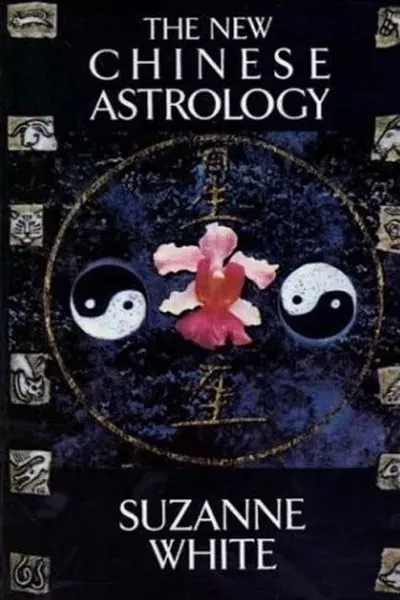
The New Chinese astrology
 72
72

The New Chinese astrology
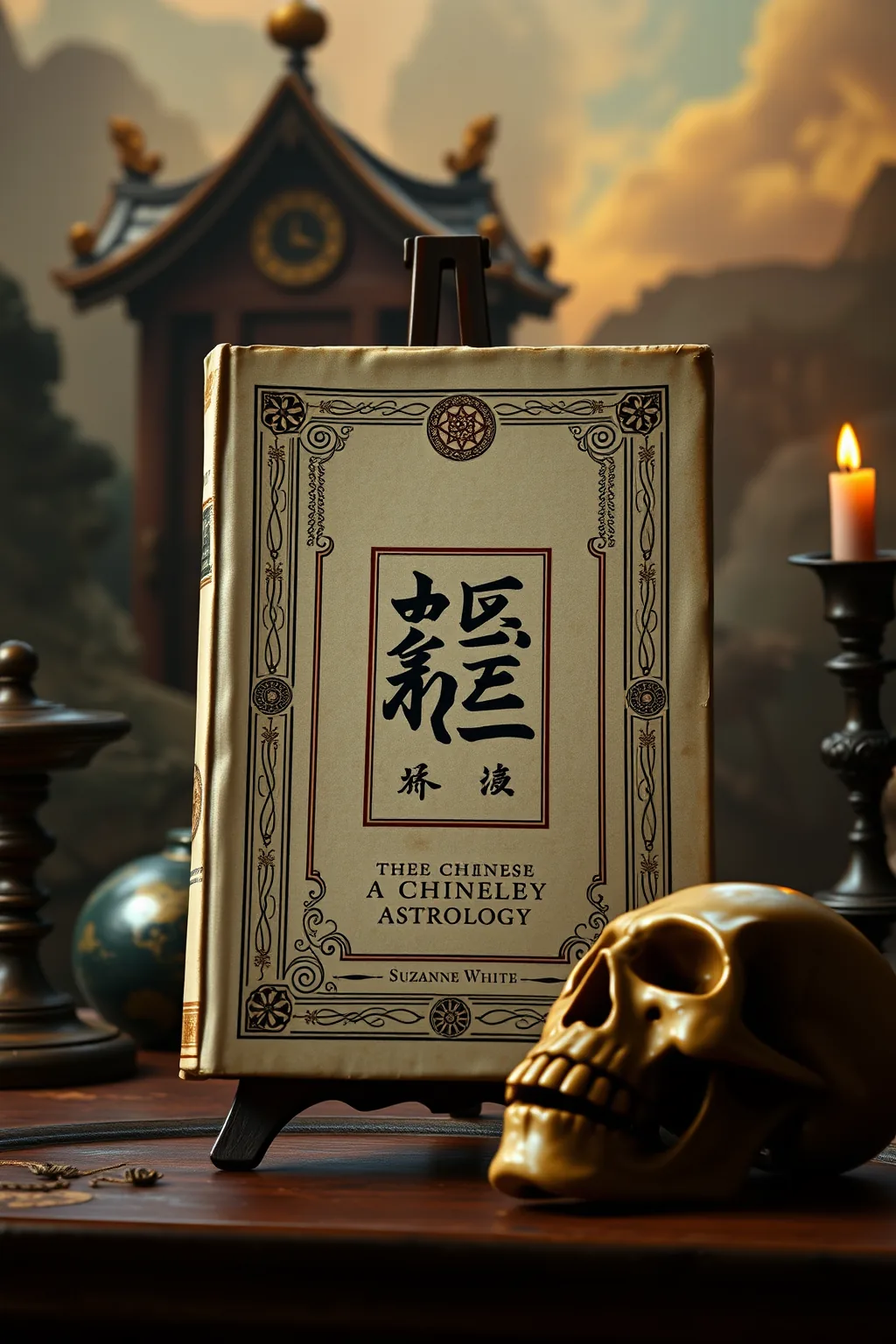
Suzanne White's 2008 exploration of Chinese astrology, 'The New Chinese Astrology,' attempts to modernize a system often presented in a static, predictive manner. White’s strength lies in her accessible prose, making the intricate interactions of the twelve zodiac animals and the Five Elements understandable for newcomers. She avoids overly technical jargon, which is a welcome relief from some more academic treatments of the subject. However, the book occasionally feels like it's reaching for broad appeal at the expense of depth. While the sections on compatibility are interesting, they sometimes oversimplify the complex dynamics that Western psychological astrology, for example, might explore in greater detail. A particularly engaging part discusses the "clashes" between animal signs, offering a concrete framework for understanding inherent tensions. Ultimately, White provides a user-friendly gateway to a rich astrological tradition, though seasoned practitioners might seek more intricate analyses.
📝 Description
72
Published in 2008, Suzanne White's The New Chinese Astrology updates the ancient zodiac for modern readers.
Suzanne White's 2008 book, The New Chinese Astrology, updates the traditional Chinese zodiac system. It goes beyond yearly forecasts to examine how the twelve animal signs and the Five Elements shape personality, relationships, and life paths. The book details the traits of each sign, from Rat to Pig, and explains their interactions with Wood, Fire, Earth, Metal, and Water to create distinct individual profiles.
This book is for anyone interested in Eastern astrology, regardless of their prior experience. It offers personal insights and helps readers understand others better. Those who enjoy comparative mythology, cultural studies, or practical applications of esoteric ideas will find it valuable. It provides a framework for interpreting life's events through an astrological lens.
The New Chinese Astrology is part of a long tradition originating in ancient China, with roots predating Western astrology. While foundational texts laid the groundwork, White's work connects these ancient principles with contemporary psychological perspectives. Her approach follows scholars who made Chinese cosmology accessible in the West, offering a modern interpretation of a system that has influenced East Asian culture for centuries.
💡 Why Read This Book?
• Gain a practical understanding of the Five Elements (Wood, Fire, Earth, Metal, Water) and how they modify the core traits of the twelve Chinese zodiac animals, offering a personalized astrological profile beyond just the animal sign. • Learn about the concept of "clashes" between zodiac signs, providing concrete insights into potential interpersonal conflicts and how to navigate them, as detailed in the book's relationship compatibility sections. • Discover how the lunar calendar's cycles, a foundational element of Chinese cosmology since ancient times, influence personal destiny and life events, offering a unique esoteric perspective on fate.
⭐ Reader Reviews
Honest opinions from readers who have explored this book.
❓ Frequently Asked Questions
When was The New Chinese Astrology by Suzanne White first published?
The New Chinese Astrology by Suzanne White was first published in 2008, offering a modern interpretation of ancient Chinese astrological principles.
What are the twelve animals in the Chinese zodiac as explained in the book?
The book covers the twelve animals: Rat, Ox, Tiger, Rabbit, Dragon, Snake, Horse, Goat, Monkey, Rooster, Dog, and Pig, detailing their unique characteristics.
Does the book discuss the Five Elements in Chinese astrology?
Yes, The New Chinese Astrology extensively discusses the Five Elements—Wood, Fire, Earth, Metal, and Water—and their crucial role in modifying the traits of each animal sign.
Is The New Chinese Astrology suitable for beginners?
Absolutely. Suzanne White's writing style is designed to be accessible, making it an excellent starting point for those new to Chinese astrology and its complexities.
What kind of insights can I expect regarding relationships?
The book provides insights into relationship compatibility by examining how different animal signs and their elements interact, including concepts like "clashes" and "combinations."
Does Suzanne White's book mention the historical origins of Chinese astrology?
While focusing on contemporary application, the book acknowledges the ancient roots of Chinese astrology, placing its principles within a millennia-old tradition.
🔮 Key Themes & Symbolism
Animal Sign Personalities
This book meticulously outlines the distinct personality traits associated with each of the twelve Chinese zodiac animals. From the industrious Ox to the playful Monkey, each sign is presented with its inherent strengths, weaknesses, and core motivations. White explains how these archetypes manifest in individuals born under their influence, providing a detailed psychological profile rooted in ancient cosmology. Understanding these core archetypes is the first step to unlocking the deeper layers of Chinese astrological interpretation, offering a framework for self-awareness and empathy towards others.
The Five Element Interactions
A crucial element explored is the dynamic interplay between the twelve animal signs and the Five Elements: Wood, Fire, Earth, Metal, and Water. The book illustrates how the element associated with a person's birth year profoundly shapes and refines the basic characteristics of their animal sign. For example, a Wood Dragon possesses different qualities than a Fire Dragon. This concept adds significant depth, moving beyond a simplistic one-size-fits-all approach and revealing the nuanced energetic signatures that define individual destinies within the Chinese astrological system.
Relationship Dynamics and Compatibility
The New Chinese Astrology offers practical guidance on interpersonal relationships by analyzing the compatibility between different zodiac signs. White explores the dynamics of "clashes" (signs that inherently conflict) and "combinations" (signs that harmonize naturally). This section provides readers with tools to understand potential friction points in partnerships, friendships, and family dynamics, suggesting ways to navigate these interactions more effectively based on the astrological energies at play.
Destiny and Life Path Influences
Central to the book is the idea that one's birth year, animal sign, and ruling element provide a blueprint for their life path and potential destiny. White explains how these astrological factors influence career choices, life challenges, and overall fortune. The work suggests that by understanding these influences, individuals can better align themselves with favorable energies, make more informed decisions, and approach life's inevitable ups and downs with greater awareness and preparedness.
💬 Memorable Quotes
Direct passages from the work, attributed to the author.
“Each animal sign has a core nature, but the element of your birth year colors it.”
— This highlights the fundamental principle that Chinese astrology is not solely based on the animal sign but equally on the elemental influence of the birth year, creating unique individual profiles.
“Understanding the "clashes" between signs can help you anticipate and manage relationship conflicts.”
— This points to a practical application of the book: recognizing inherent tensions between certain zodiac signs as a tool for fostering better interpersonal dynamics and conflict resolution.
“The Rooster is observant, meticulous, and often finds fault.”
— This is a concise example of the specific trait descriptions for each animal, illustrating the book's method of assigning core characteristics to the twelve zodiac symbols.
“The Dragon year is considered particularly auspicious for births.”
— This references the cultural significance and perceived energetic potency of specific zodiac years, such as the Dragon, often associated with power and good fortune in Chinese tradition.
“Metal signs can be sharp and decisive, but also rigid.”
— This offers a glimpse into how the Five Elements are characterized, showing their dual nature and how they interact with the broader zodiacal framework to define personality.
🌙 Esoteric Significance
Tradition
This work draws directly from the ancient Chinese cosmological system, which views the universe as an interconnected web of energies governed by cyclical patterns. It aligns with Taoist principles of balance (Yin and Yang) and the flow of Qi (vital energy), as expressed through the Five Elements and the twelve Earthly Branches. While not strictly Hermetic or Gnostic, it shares the esoteric aim of understanding divine or cosmic order to gain insight into human life and destiny, offering a non-Western framework for divination and self-knowledge.
Symbolism
The twelve animal signs—Rat, Ox, Tiger, etc.—are potent archetypes representing fundamental human drives and characteristics, drawn from the natural world and folklore. The Five Elements (Wood, Fire, Earth, Metal, Water) symbolize dynamic processes and qualities: Wood represents growth and expansion, Fire represents passion and dynamism, Earth represents stability and nourishment, Metal represents structure and refinement, and Water represents flow and intuition. Their combinations create a complex symbolic language for individual potential and life's circumstances.
Modern Relevance
Contemporary practitioners of comparative spirituality, mindfulness, and personal development often incorporate elements from diverse traditions. White's accessible approach makes the sophisticated Chinese astrological system relevant today for individuals seeking frameworks beyond Western paradigms. Its emphasis on cyclical time, elemental balance, and archetypal psychology appeals to current interests in holistic well-being, sustainability (through the elemental interactions), and cross-cultural understanding in personal growth practices.
👥 Who Should Read This Book
• Beginners curious about Eastern esoteric systems: Those new to astrology or divination will find White's clear explanations of the twelve animal signs and Five Elements an accessible entry point. • Individuals seeking relationship insights: Readers looking for a framework to understand interpersonal dynamics and compatibility, beyond Western psychological astrology, will appreciate the analysis of sign "clashes" and "combinations." • Enthusiasts of comparative spirituality: Those interested in exploring different cultural approaches to understanding destiny, personality, and the cosmos will find this book a valuable addition to their studies.
📜 Historical Context
Suzanne White's 'The New Chinese Astrology,' published in 2008, enters a field with a rich, millennia-old history. Chinese astrology, deeply intertwined with cosmology, philosophy, and the lunisolar calendar, predates much of Western astrological development. Its principles were codified over centuries, influencing everything from imperial decisions to personal relationships. White's work stands within the tradition of Western authors like Lin Yutang, who in the mid-20th century helped popularize Chinese culture and thought, including its astrological systems, for a global audience. The 2008 publication date places it in an era where interest in Eastern spiritual and philosophical traditions was high, often seeking practical applications for modern life. It emerged alongside a surge in popular interest in various forms of divination and self-understanding, differentiating itself through its focus on the elemental interactions that add nuance beyond the basic animal signs, a complexity often simplified in earlier popularizations.
📔 Journal Prompts
The core nature of the Ox sign and its elemental influences.
How the "clash" between your sign and another manifests in your relationships.
Reflecting on the cyclical nature of the lunar calendar and personal milestones.
Identifying personal traits corresponding to the Wood element's characteristics.
Exploring the potential of a Dragon year based on its elemental composition.
🗂️ Glossary
Earthly Branches
The twelve zodiac animals (Rat, Ox, Tiger, etc.) that form the cyclical foundation of Chinese astrology, each representing a specific period of time and associated qualities.
Five Elements
The fundamental energies (Wood, Fire, Earth, Metal, Water) that interact with the Earthly Branches, modifying their characteristics and influencing destiny and relationships.
Qi
Often translated as 'vital energy' or 'life force,' Qi is the fundamental animating principle in Chinese philosophy and medicine, influenced by the elements and zodiacal cycles.
Yin and Yang
The complementary dualistic forces representing opposite but interconnected principles (e.g., passive/active, dark/light) that govern the natural world and are reflected in astrological interpretations.
Clash
A term in Chinese astrology referring to inherent conflict or tension between two zodiac signs, suggesting potential difficulties or friction in relationships or life events.
Combination
Refers to the harmonious or supportive interactions between certain zodiac signs and elements, indicating natural affinity and ease in relationships or endeavors.
Lunisolar Calendar
The traditional Chinese calendar that tracks time based on both the cycles of the moon and the sun, crucial for determining astrological periods and festivals.
🔮 Readers Also Liked
Browse all →







More by Suzanne White
All books →


More Free Astrology & Cosmology Books
View all →