Chinese astrology

 83
83

Chinese astrology
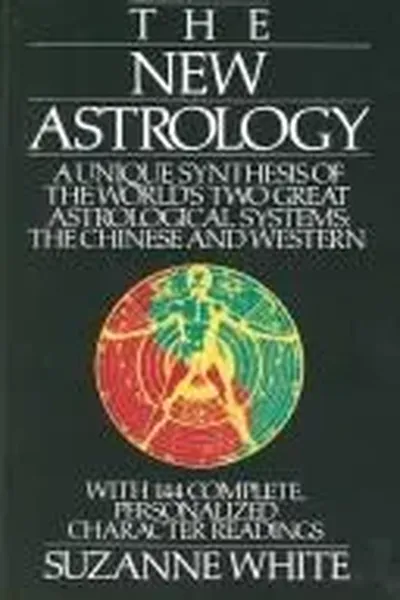
Suzanne White's "Chinese Astrology" presents a clear, if somewhat conventional, overview of the subject. The book's strength lies in its straightforward explanations of the twelve animals and their elemental pairings, making complex concepts digestible for newcomers. White effectively outlines the basic personality archetypes associated with each sign. However, the work occasionally feels like a rehash of common astrological texts, lacking a truly novel perspective or deeper theoretical exploration. For instance, her discussion of the Rooster's traits, while accurate, doesn't offer significant new interpretive angles beyond standard descriptions. The integration of Yin and Yang and the Five Elements, while present, could have been more dynamically woven into the analysis of individual signs. Ultimately, it serves as a functional primer, but those seeking a more esoteric or scholarly engagement might find it wanting.
Verdict: A competent, accessible introduction to the Chinese zodiac, best suited for initial learning.
📝 Description
83
Suzanne White's 1998 book demystifies the Chinese zodiac system.
First published in 1998, Suzanne White's work details the twelve animal signs of the Chinese zodiac and their associated characteristics. It explains how each sign relates to personality traits, strengths, weaknesses, and compatibility with other signs. The book also covers the influence of the five elements—Wood, Fire, Earth, Metal, and Water—alongside the concept of Yin and Yang. This provides a framework for understanding personal destiny and relationships within this ancient tradition.
This book is suitable for those interested in Eastern philosophies and divination, especially the Chinese zodiac. It serves as an accessible introduction for beginners and offers a way for those with some knowledge to deepen their understanding of the elemental influences and yearly cycles. Readers looking to understand personal temperament, relationship compatibility, or life event forecasting through an astrological lens will find it valuable.
The Chinese zodiac, with roots thousands of years old, developed alongside ancient Chinese cosmology and lunar calendars. Its structure is deeply connected to philosophical concepts like Yin and Yang and the Five Elements, formalized during the Han Dynasty. This system has long been integrated into daily life across East Asia, affecting decisions from marriage to business. White's book aims to explain this complex, culturally significant astrological tradition to a wider audience.
💡 Why Read This Book?
• Learn the fundamental characteristics of each of the 12 Chinese zodiac animals, from the ambitious Rat to the loyal Dog, understanding how these archetypes manifest in personality and destiny. • Grasp the foundational role of the Five Elements (Wood, Fire, Earth, Metal, Water) and their cyclical interactions, as detailed in the book's explanations of elemental compatibility and influence. • Discover the traditional Chinese concept of Yin and Yang and how this duality informs the energetic balance within each zodiac sign and across the calendar year.
⭐ Reader Reviews
Honest opinions from readers who have explored this book.
❓ Frequently Asked Questions
When was Suzanne White's 'Chinese Astrology' first published?
Suzanne White's "Chinese Astrology" was first published in 1998, making it a relatively modern interpretation of ancient Chinese astrological principles.
What are the twelve animals of the Chinese zodiac?
The twelve animals of the Chinese zodiac, in order, are the Rat, Ox, Tiger, Rabbit, Dragon, Snake, Horse, Goat, Monkey, Rooster, Dog, and Pig.
Does the book cover the Five Elements of Chinese astrology?
Yes, the book extensively covers the Five Elements: Wood, Fire, Earth, Metal, and Water, explaining their creation and destruction cycles and their impact on personality and fortune.
Is 'Chinese Astrology' suitable for beginners?
Absolutely. The book is structured to be accessible for beginners, offering clear explanations of the core concepts without assuming prior knowledge of Chinese esoteric traditions.
What is the significance of Yin and Yang in this book?
The book explores Yin and Yang as fundamental opposing yet complementary forces that influence the characteristics and energies associated with each zodiac animal and the yearly cycles.
Does the book discuss compatibility between zodiac signs?
Yes, a significant portion of the book is dedicated to exploring the compatibility between the twelve zodiac animals, offering insights into relationships based on traditional Chinese astrological principles.
🔮 Key Themes & Symbolism
The Twelve Animal Archetypes
The book details the distinct personalities, strengths, and challenges associated with each of the twelve animals of the Chinese zodiac: Rat, Ox, Tiger, Rabbit, Dragon, Snake, Horse, Goat, Monkey, Rooster, Dog, and Pig. It explores how these archetypes, determined by birth year, influence an individual's character, relationships, and life path. For instance, the Tiger is often depicted as courageous and impulsive, while the Rabbit is seen as gentle and artistic, providing readers with a framework for self-understanding and recognizing traits in others.
The Five Elemental Cycles
Central to Chinese cosmology, the Five Elements—Wood, Fire, Earth, Metal, and Water—are examined not just as static attributes but as dynamic forces in constant interaction. The book elucidates their creation and destruction cycles, illustrating how these elemental energies shape the character of each year and the individuals born within it. Understanding these cycles, such as Wood feeding Fire or Metal cutting Wood, is presented as crucial for navigating personal destiny and predicting broader trends.
Yin and Yang Balance
The principle of Yin and Yang, representing complementary opposites, is integrated throughout the text to explain the inherent dualities within the zodiac system. Each animal sign and element possesses both Yin and Yang qualities, creating a balance or imbalance that affects personality and fortune. The book explores how this interplay dictates compatibility between signs and influences the overall energetic flow of a given year, offering a lens for understanding harmony and discord.
Personal Destiny and Fortune
White's work connects the astrological signs, elements, and Yin/Yang principles to the concept of personal destiny and fortune (Ming). It suggests that while one's birth chart provides a blueprint, the interplay of these factors offers insights into potential life challenges and opportunities. The book aims to empower readers by providing a greater understanding of their inherent potentials and how to align with cosmic energies for a more favorable life path.
💬 Memorable Quotes
Direct passages from the work, attributed to the author.
“Each animal year carries its own unique energy, shaped by the element of the year and its place in the twelve-year cycle.”
— This statement highlights the core concept that astrological influence is not solely determined by the animal sign but is a complex interplay of yearly cycles and elemental forces, emphasizing a dynamic rather than static system.
“The Dragon year is considered particularly auspicious, often associated with power, charisma, and good fortune.”
— This highlights a specific, well-known archetype within the Chinese zodiac, illustrating how certain animal signs are culturally imbued with particular symbolic meanings and perceived influences on those born under their sign.
“Understanding your birth element is as crucial as knowing your animal sign for a complete astrological profile.”
— This emphasizes the integral role of the Five Elements alongside the animal signs, suggesting that a comprehensive astrological reading requires consideration of both components for a nuanced understanding of an individual's chart.
“The cyclical nature of the Chinese calendar means that energies and influences are constantly shifting, offering new opportunities each year.”
— This interpretation underscores the dynamic aspect of Chinese astrology, presenting time not as linear but as a series of recurring cycles, each bringing distinct potentials and challenges that can be understood and potentially navigated.
💡 Key Ideas
Editorial paraphrase of the work's core concepts — not direct quotes.
Compatibility between signs is often understood through the harmonious or conflicting relationships between their associated elements.
This paraphrased concept points to the practical application of elemental theory in Chinese astrology, suggesting that understanding the elemental interactions is key to deciphering relationship dynamics and potential for harmony or conflict.
🌙 Esoteric Significance
Tradition
This work draws from the ancient Chinese cosmological tradition, which is deeply intertwined with Taoism and Confucianism. It is not directly aligned with Western esoteric lineages like Hermeticism or Kabbalah but shares with them a focus on understanding cosmic order, human destiny, and the symbolic language of the universe. Its esoteric nature lies in its divinatory aspects and its attempt to map the unseen forces influencing human lives through a cyclical, elemental, and symbolic framework rooted in millennia of observation.
Symbolism
Key symbols include the twelve animals, each representing specific archetypal energies and personality traits derived from ancient folklore and mythology. The Five Elements (Wood, Fire, Earth, Metal, Water) are crucial symbols representing fundamental forces of nature and their dynamic interactions, governing creation and destruction. The Yin and Yang symbols represent the essential duality and balance inherent in all phenomena, providing a framework for understanding the interplay of opposing forces within the zodiac and the cosmos.
Modern Relevance
Contemporary practitioners of mindfulness, self-help, and personal development often incorporate elements of Chinese astrology, seeking practical wisdom for understanding themselves and their relationships. Therapists and life coaches may draw upon the archetypal symbolism of the twelve animals to facilitate client self-discovery. Furthermore, in academic circles studying comparative religion and cultural anthropology, the enduring influence of the Chinese zodiac system, as presented in works like White's, remains a subject of interest for understanding cross-cultural belief systems.
👥 Who Should Read This Book
• Individuals new to astrological systems seeking an accessible entry point into the rich world of the Chinese zodiac, learning about the core animal signs and their basic characteristics. • Those interested in comparative spirituality and comparative mythology who wish to understand a major non-Western astrological framework and its cultural significance. • People seeking practical insights into relationship dynamics and personal temperament through the lens of ancient Chinese wisdom, exploring compatibility and elemental influences.
📜 Historical Context
Published in 1998, Suzanne White's "Chinese Astrology" entered a landscape where Western astrology was widely discussed, but Eastern systems like the Chinese zodiac were gaining broader international traction. The late 20th century saw increased interest in comparative spirituality and alternative wisdom traditions, fueled by globalization and a desire for non-Western perspectives. This era was also characterized by a burgeoning New Age movement, which embraced diverse esoteric practices. While competing schools of thought within Western astrology were well-established, White's work contributed to the growing accessibility of Chinese astrological concepts, which had been primarily transmitted through oral traditions and specialized texts in Asia for centuries. The book arrived at a time when authors like Stephen Karcher were also making Chinese cosmology and I Ching more widely known, indicating a broader cultural curiosity about these ancient systems.
📔 Journal Prompts
The Rat's adaptability and the Ox's steadfastness: how do these traits manifest in your own approach to challenges?
Reflect on the destructive cycle of Metal over Wood: identify a situation where an inhibiting force overcame a creative one.
The Snake's intuition versus the Horse's outgoing nature: which energy feels more dominant in your current life phase?
Consider the creation cycle of Water nourishing Wood: how can you foster growth by providing necessary support?
Analyze the balance of Yin and Yang in your daily routine: where do you feel equilibrium, and where is there tension?
🗂️ Glossary
Yin
In Chinese philosophy, Yin represents the passive, dark, feminine, and receptive principle in nature, often associated with coolness, stillness, and the moon.
Yang
The active, light, masculine, and assertive principle in Chinese philosophy, associated with heat, movement, and the sun.
Wood Element
One of the Five Elements, associated with growth, creativity, spring, and upward movement. Its cycle involves nurturing Fire and being overcome by Metal.
Fire Element
One of the Five Elements, associated with passion, energy, summer, and dynamism. It consumes Wood and is controlled by Water.
Earth Element
One of the Five Elements, associated with stability, nourishment, harvest, and grounding. It supports Metal and is depleted by Wood.
Metal Element
One of the Five Elements, associated with structure, discipline, autumn, and clarity. It cuts Wood and is shaped by Fire.
Water Element
One of the Five Elements, associated with flow, wisdom, winter, and introspection. It nourishes Wood and contains Fire.
🔮 Readers Also Liked
Browse all →

![Mrs. Davis, (no. 7.) Crown Court, Little Poultney Street, Wardour Street, Soho, ... name and clock face on the door. Who has studied the occult sciences under the most learned sages after many years studious application; answers all adimssable [sic] questions in astrology, ... 1780](/img/thumb/mrs-davis-no-7-crown-court-little-poultney-street-wardour-street-soho-name-and-clock-face-on-the-door-who-has-studied-the-occult-sciences-under-the-most-learned-sages-after-many-years-studious-applica.webp)






More by Suzanne White
All books →


More Free Astrology & Cosmology Books
View all →