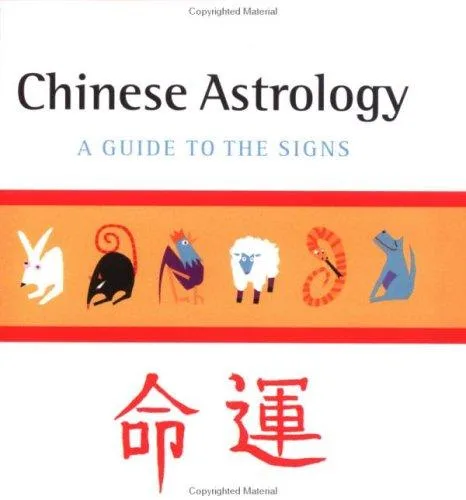
Chinese Astrology
 73
73

Chinese Astrology
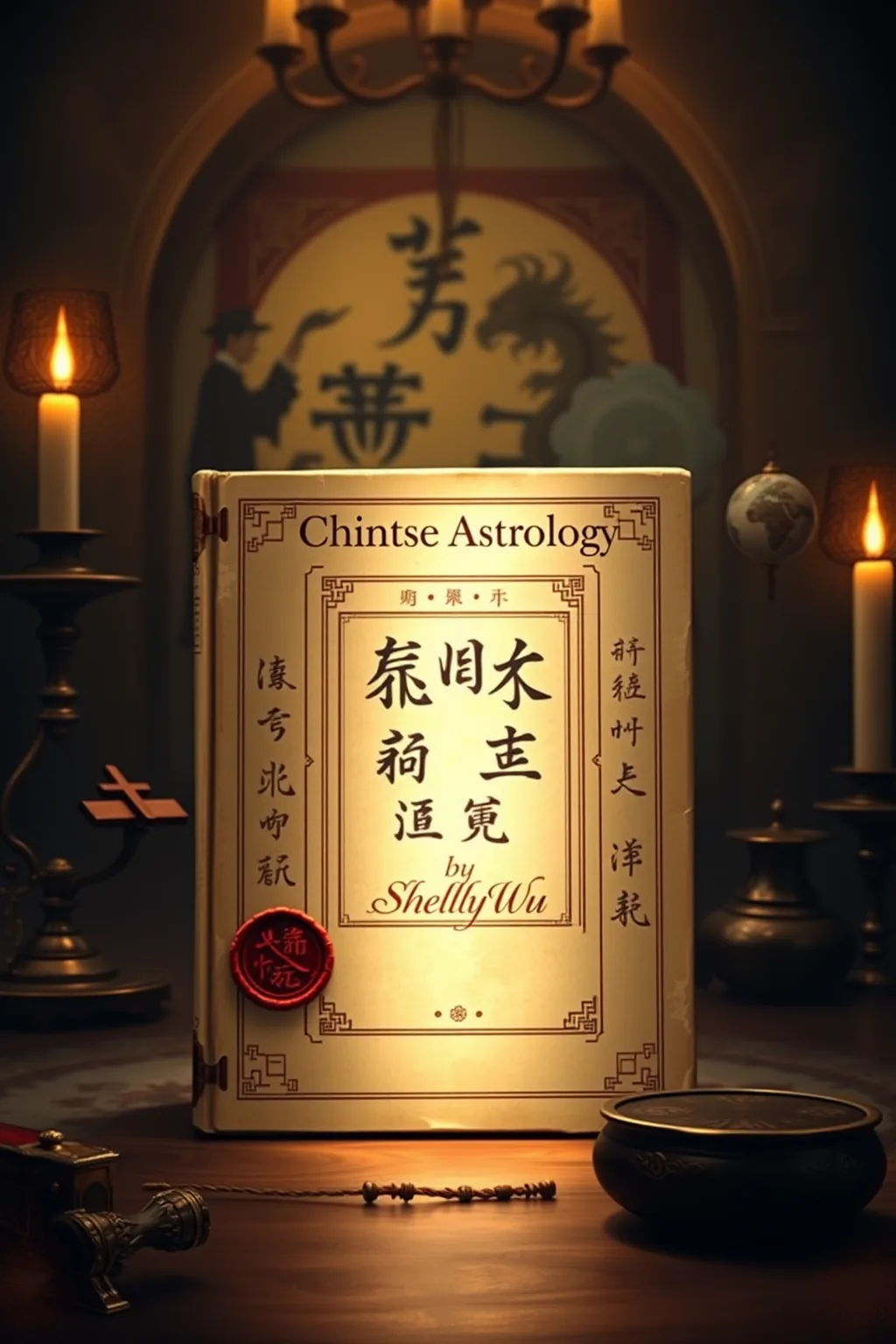
Shelly Wu's Chinese Astrology presents the intricate zodiac system with commendable clarity, avoiding the dense jargon that often plagues esoteric texts. Wu grounds the reader in the fundamental animal signs and their elemental associations, making the system accessible. A particular strength lies in the detailed compatibility charts, which offer practical insights into relationships, moving beyond simplistic generalizations. However, the book occasionally feels more descriptive than analytical, especially concerning the deeper philosophical underpinnings of the Five Elements theory. A more thorough exploration of the Wu Xing cycles, beyond their direct impact on animal signs, would have enhanced its scholarly depth. Nevertheless, Wu delivers a solid, user-friendly introduction to a complex tradition.
📝 Description
73
Shelly Wu's 2011 book explains the Chinese zodiac's twelve animal signs and their characteristics.
This book details the twelve animals of the Chinese zodiac: Rat, Ox, Tiger, Rabbit, Dragon, Snake, Horse, Goat, Monkey, Rooster, Dog, and Pig. For each sign, Wu outlines associated personality traits, including strengths and weaknesses, and discusses compatibility between different signs. The text also covers the foundational elements of Chinese astrology, such as the Five Elements (Wu Xing) and the principles of Yin and Yang. It explains how these concepts, along with the Earthly Branches (Di Zhi) and Heavenly Stems (Tian Gan), create a complete astrological reading. The book is useful for anyone interested in learning about Eastern astrological traditions or understanding their own birth sign. It caters to both those new to astrology and individuals familiar with Western systems, offering insights into personality archetypes and relationships through a cultural perspective.
The practice of Chinese astrology has a history spanning thousands of years. It is deeply connected to Chinese philosophy, astronomy, and the lunisolar calendar. This system has seen changes over centuries, influenced by different eras and scholarly thought. Understanding the interaction between a person's animal sign, elemental association, and birth month is important for a full astrological interpretation.
Chinese astrology is part of a vast cosmological system that has developed over millennia in China. It is not merely a method of fortune-telling but a framework for understanding cosmic influences and human life, deeply intertwined with ancient Chinese philosophy, astronomy, and the lunisolar calendar. Its principles, including the Five Elements and the dynamic interplay of Yin and Yang, are used to interpret the cycles of time and their impact on individuals and events. This tradition seeks to map the macrocosm onto the microcosm, aligning human existence with celestial patterns.
💡 Why Read This Book?
• Gain a foundational understanding of the twelve Chinese zodiac animals and their inherent characteristics, as detailed in the book's sign-by-sign breakdowns. • Explore the concept of elemental compatibility, learning how the Five Elements (Wu Xing) influence relationships between different animal signs, a core tenet of Chinese astrological interpretation. • Understand your birth year's animal sign and its unique traits, as explained within the context of the Chinese lunisolar calendar, offering a personal astrological lens.
⭐ Reader Reviews
Honest opinions from readers who have explored this book.
❓ Frequently Asked Questions
When was Shelly Wu's Chinese Astrology first published?
Shelly Wu's Chinese Astrology was first published on August 21, 2008, providing a modern entry point into this ancient system.
How does Chinese Astrology differ from Western Astrology?
Chinese Astrology is based on a 12-year cycle represented by animals and is tied to the lunisolar calendar, whereas Western Astrology uses a 12-month cycle based on constellations and the solar year.
What are the Five Elements in Chinese Astrology?
The Five Elements are Wood, Fire, Earth, Metal, and Water. They are believed to interact with each other, influencing the characteristics of each animal sign and the overall cosmic balance.
Can I find my compatibility with other signs in this book?
Yes, the book typically includes detailed sections on compatibility between the twelve zodiac animals, offering insights into harmonious and challenging relationships.
Is Chinese Astrology only about your birth year?
While the birth year animal is primary, Chinese Astrology also considers the element associated with your birth year, and often delves into the influences of the month, day, and hour of birth for a more nuanced reading.
Does the book explain the concept of Yin and Yang?
The principles of Yin and Yang are fundamental to Chinese philosophy and astrology. This book likely explains how these complementary forces interact within the context of the animal signs and elements.
🔮 Key Themes & Symbolism
The Twelve Zodiac Animals
The core of Chinese Astrology lies in the twelve animal signs: Rat, Ox, Tiger, Rabbit, Dragon, Snake, Horse, Goat, Monkey, Rooster, Dog, and Pig. Each animal embodies specific personality traits, inherent strengths, and potential weaknesses. Understanding your birth animal provides a foundational self-awareness, revealing innate tendencies and life paths influenced by the animal ruling your birth year according to the Chinese lunisolar calendar.
The Five Elements (Wu Xing)
Beyond the animals, the Five Elements—Wood, Fire, Earth, Metal, and Water—play a crucial role. These elements are not static but exist in dynamic cycles of creation and destruction. Each animal sign is further influenced by one of these elements in its ruling year, adding layers of complexity to personality profiles and dictating compatibility and potential challenges in relationships.
Animal Sign Compatibility
A significant application of Chinese Astrology is understanding interpersonal dynamics. The book likely explores the intricate web of compatibility between the twelve zodiac animals. Certain pairings are naturally harmonious, while others may present friction. This knowledge, derived from the cyclical interactions of the animals and elements, offers guidance for friendships, family, and romantic partnerships.
Lunisolar Calendar Influence
Unlike purely solar or lunar systems, Chinese Astrology is based on a lunisolar calendar. This means the zodiac year does not perfectly align with the Gregorian calendar year. The book clarifies how the start and end dates of each animal's reign are determined by this calendar, essential for accurately identifying one's birth sign and its associated influences.
💬 Memorable Quotes
Direct passages from the work, attributed to the author.
“Each animal sign possesses inherent characteristics that shape personality and destiny.”
— This highlights the foundational belief that your birth year's animal is not merely a label but a significant determinant of your core nature and life's trajectory.
“The interaction between the Five Elements influences the subtle energies of each zodiac year.”
— This points to the deeper complexity beyond just the animal sign, emphasizing the elemental forces that modify and define the year's unique astrological flavor.
“Compatibility between signs is governed by cyclical relationships and elemental affinities.”
— This explains that harmonious or challenging relationships are not random but follow predictable patterns rooted in the symbolic interactions within the Chinese astrological framework.
“Understanding the lunisolar calendar is key to accurate astrological assessment.”
— This emphasizes the importance of the specific calendar system used, differentiating it from Western astrology and underscoring the need for precise dating to determine one's sign.
“The Dragon is often associated with power and good fortune.”
— This provides a concrete example of the traits attributed to a specific animal sign, illustrating the symbolic meanings embedded within the Chinese zodiac system.
🌙 Esoteric Significance
Tradition
Chinese Astrology belongs to a distinct cosmological tradition rooted in ancient Chinese philosophy, particularly Taoism. It is deeply integrated with concepts like Yin and Yang and the Five Elements (Wu Xing), which form the bedrock of its divinatory and philosophical system. Unlike Hermetic or Kabbalistic traditions, its focus is on the cyclical flow of cosmic energies as expressed through the Earthly Branches (Di Zhi) and Heavenly Stems (Tian Gan), mapping these onto human lives.
Symbolism
The twelve animal signs are potent symbols, each representing archetypal energies and characteristics. The Dragon, for instance, symbolizes power, nobility, and good fortune, while the Rabbit signifies gentleness, artistic talent, and caution. The Five Elements—Wood, Fire, Earth, Metal, Water—are also symbolic, representing phases of transformation and interaction, crucial for understanding the nuanced energies of any given year or individual chart.
Modern Relevance
In contemporary esoteric circles, Chinese Astrology continues to be relevant for its holistic approach to personality and destiny. Thinkers and practitioners interested in comparative divination systems, Eastern philosophies, and cross-cultural psychology often draw upon its principles. It offers a unique framework for self-reflection and understanding interpersonal dynamics, complementing or providing an alternative to Western astrological interpretations for modern seekers.
👥 Who Should Read This Book
['• Individuals new to astrology seeking an accessible introduction to a non-Western system, offering clear explanations of the twelve animal signs and their basic traits.', '• Students of comparative religion and philosophy interested in understanding the cosmological underpinnings of East Asian cultures, particularly the role of the Five Elements (Wu Xing).', '• Those exploring personal development and relationship dynamics who wish to gain new perspectives through the lens of Chinese zodiac compatibility.']
📜 Historical Context
Published in 2008, Shelly Wu's Chinese Astrology entered a landscape where Western esoteric traditions often dominated popular discourse. While Chinese Astrology has ancient roots, tracing back to the Han Dynasty (206 BCE – 220 CE), its contemporary presentation often competes with more widely disseminated systems. At the time of its publication, figures like Stephen Karcher were also exploring Eastern philosophies, but Wu's work aimed for a more accessible, practical guide to the zodiac. The reception of such works generally caters to a growing interest in comparative spirituality and cross-cultural divination, finding audiences among those seeking alternative frameworks for self-understanding beyond the prevalent Vedic or Western astrological models.
📔 Journal Prompts
The Rat's adaptability and the Ox's steadfastness: how do these opposing traits manifest in your own life?
Reflect on the cyclical nature of the Five Elements (Wu Xing) and their influence on personal growth.
Consider the archetypal symbolism of your birth animal and its potential impact on your social interactions.
Analyze a past relationship through the lens of Chinese zodiac compatibility presented in the book.
Explore the Dragon's association with power; in what subtle ways does this archetype influence your aspirations?
🗂️ Glossary
Di Zhi (Earthly Branches)
The twelve divisions of the Chinese year, each represented by an animal sign (e.g., Rat, Ox). They form the basis of the Chinese zodiac cycle and influence personality and destiny.
Tian Gan (Heavenly Stems)
The ten components, derived from the Five Elements in their Yin and Yang forms, that combine with the Earthly Branches to create a more detailed astrological cycle.
Wu Xing (Five Elements)
The fundamental elements of Wood, Fire, Earth, Metal, and Water. They are believed to interact in cycles of creation and destruction, influencing all aspects of the cosmos and human life.
Lunisolar Calendar
A calendar system that tracks both the Moon's phases and the Sun's apparent position, forming the basis for the timing of Chinese astrological years and festivals.
Yin and Yang
The dualistic, complementary forces believed to govern the universe in Chinese philosophy. They represent opposing but interconnected principles like passive/active, dark/light, and feminine/masculine.
Zodiac Year
The yearly cycle governed by one of the twelve animal signs. Unlike the Gregorian calendar, the Chinese zodiac year begins on the date of the Lunar New Year.
Compatibility
In Chinese Astrology, the degree of harmony or conflict between different animal signs, often determined by their inherent characteristics and elemental associations.