An Introduction To Vedic Astrology: Spiritual Science Of The Ancients
 77
77

An Introduction To Vedic Astrology: Spiritual Science Of The Ancients
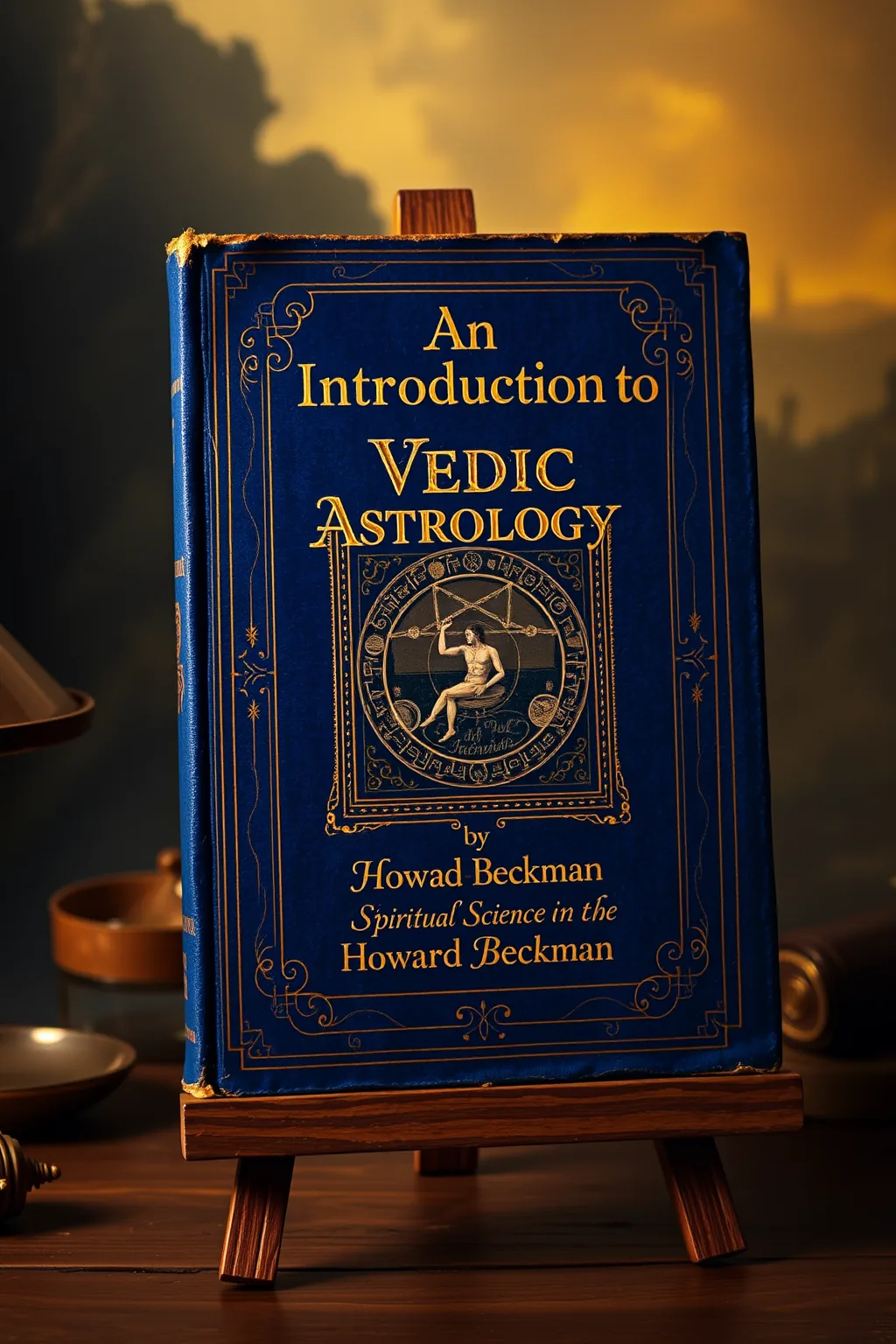
Howard Beckman’s An Introduction To Vedic Astrology presents a methodical overview of Jyotisha, eschewing sensationalism for a structured, academic approach. The book’s strength lies in its clear exposition of the foundational elements – planets, signs, and houses – and its detailed explanation of remedial measures. Beckman’s approach to *upayas* is particularly grounded, presenting them not as magical fixes but as tools for energetic balancing. A notable omission, however, is the limited discussion of the *nakshatras* beyond their basic definitions, a crucial component in deeper Vedic astrological analysis. While the practical applications section offers useful frameworks, it sometimes feels generalized. Nevertheless, the work serves as a solid, if somewhat dry, introduction to a complex system, making it a dependable resource for students seeking an orthodox understanding of Vedic astrology’s mechanics. It is an accessible primer for those unfamiliar with the Jyotisha tradition.
📝 Description
77
Howard Beckman's An Introduction To Vedic Astrology, published in 1999, explains Jyotisha.
Published in 1999, Howard Beckman's An Introduction To Vedic Astrology details Jyotisha, the ancient Indian system of astrology. The book is divided into three parts. The first part covers the practical uses of Vedic astrology in various areas of life. The second part describes the planets, zodiac signs, astrological houses, and nakshatras, including their characteristics and symbolism. The final section discusses remedial measures, known as *upayas*, which are used to balance challenging astrological influences found in a birth chart. This text is suitable for readers wanting a solid understanding of Vedic astrology, including its spiritual and philosophical foundations. It will also benefit practitioners of other astrological systems interested in comparison and integration, and those who want to learn the classical approach to astrological interpretation, planetary strengths, house meanings, and remedies.
Beckman's work appeared during a time of renewed interest in traditional esoteric systems. Following modernizers of Jyotisha, his book connects ancient Indian texts to contemporary Western readers. It positions Vedic astrology as a spiritual science, separate from Western astrological traditions. The book reflects the growing academic and popular fascination with non-Western spiritual practices that marked the late 20th century.
This book situates Vedic astrology within a lineage of spiritual science, distinct from Western astrological paradigms. It emerged during a period of increased interest in traditional esoteric systems, bridging ancient Indian textual traditions with contemporary Western audiences. Jyotisha, as presented here, is not merely a predictive tool but a framework for understanding cosmic influences and their impact on human life, aligned with a broader interest in non-Western spiritual philosophies.
💡 Why Read This Book?
• Gain a practical understanding of the *grahas* (planets) and *rashis* (signs) as detailed in Chapter 2, enabling you to interpret their fundamental interactions within a birth chart. • Learn about *upayas* (remedial measures) as presented in Chapter 3, offering concrete methods to address astrological challenges beyond mere prediction. • Explore the structure of the 12 *bhavas* (houses) and their specific significations, providing a framework for analyzing life areas from a Vedic perspective as outlined in Chapter 1.
⭐ Reader Reviews
Honest opinions from readers who have explored this book.
❓ Frequently Asked Questions
What is Jyotisha and how does it differ from Western astrology?
Jyotisha, or Vedic astrology, is the ancient Indian system of celestial interpretation. It primarily uses a sidereal zodiac, which aligns with the constellations' actual positions, unlike the tropical zodiac common in Western astrology. This foundational difference leads to distinct chart calculations and interpretations.
What are the main components of a Vedic astrological chart according to Howard Beckman?
Beckman details the primary components as the *grahas* (planets), *rashis* (zodiac signs), *bhavas* (houses), and *nakshatras* (lunar mansions). The book explains the characteristics and significations of each of these elements within the astrological framework.
Can Vedic astrology offer solutions to life problems?
Yes, Vedic astrology, as presented in Beckman's work, includes *upayas*, or remedial measures. These are practices like chanting mantras, wearing gemstones, or performing rituals, intended to harmonize negative planetary influences and mitigate challenging astrological configurations.
Is An Introduction To Vedic Astrology suitable for complete beginners?
Yes, the book is structured as an introduction, beginning with fundamental concepts and gradually moving to more complex applications and remedies. It aims to provide a clear, step-by-step understanding for those new to Jyotisha.
What is the significance of the sidereal zodiac in Vedic astrology?
The sidereal zodiac, used in Vedic astrology, is based on the fixed stars, aligning with the actual astronomical positions of constellations. This contrasts with the tropical zodiac, which is based on the seasons, leading to a shift of approximately 24 degrees between the two zodiacs.
How does Howard Beckman explain the concept of karma in Vedic astrology?
While not explicitly detailed in the blurb, Vedic astrology, as a spiritual science, inherently links astrological configurations to karmic patterns. The birth chart is often seen as a map of past karma, and remedies aim to positively influence future karmic unfoldment.
🔮 Key Themes & Symbolism
Jyotisha Fundamentals
The work meticulously breaks down the foundational elements of Jyotisha, the ancient Indian system of astrology. It systematically introduces the *grahas* (planets) and their inherent qualities, the *rashis* (zodiac signs) with their unique characteristics, and the *bhavas* (houses) that map out different areas of human experience. This structured approach allows readers to grasp the essential building blocks before studying more intricate interpretive techniques, positioning it as a reliable starting point for understanding this esoteric tradition.
Planetary and Sign Symbolism
Beckman dedicates significant attention to the symbolic language of Vedic astrology. Each planet is presented not merely as a celestial body but as a repository of specific energies and significations, influencing personality and life events. Similarly, the twelve zodiac signs are explored for their inherent natures, archetypes, and how they modify the planetary influences they receive. This deep dive into symbolism is crucial for appreciating the nuanced meanings within a Vedic birth chart.
Remedial Measures (Upayas)
A distinctive aspect of Vedic astrology explored in this book is the concept of *upayas*, or remedial measures. These are practical techniques designed to mitigate or harmonize challenging astrological configurations. The book details various forms of *upayas*, such as the use of specific gemstones, the recitation of mantras, and certain rituals. This section highlights the proactive potential within Jyotisha, offering pathways for individuals to engage with and potentially influence their karmic destiny.
Practical Application
Beyond theoretical exposition, the book emphasizes the practical utility of Vedic astrology. It guides readers on how to apply Jyotisha principles to understand and navigate different facets of life, from career and relationships to health and spirituality. This focus on real-world applicability underscores Vedic astrology's role not just as a predictive tool but as a guide for self-awareness and personal development, bridging the esoteric with the everyday.
💬 Memorable Quotes
Direct passages from the work, attributed to the author.
“Remedial measures help balance disharmonic influences.”
— This highlights the therapeutic aspect of Jyotisha, suggesting that astrological charts are not fixed destinies but can be addressed through specific practices to foster well-being and mitigate challenges.
“Understanding the characteristics of each planet is essential.”
— This emphasizes the foundational importance of grasping the individual energies and symbolic meanings of the *grahas* before attempting to interpret their complex interactions within a horoscope.
“Vedic astrology provides practical applications for life.”
— This points to the functional purpose of Jyotisha, presenting it as a tool not just for divination but for gaining insight and making informed decisions across various life domains.
“The book studies Vedic astrology in a detailed stance.”
— This statement, directly from the original blurb, signifies the methodical and thorough nature of Beckman's exploration of Jyotisha, promising a comprehensive treatment of the subject.
💡 Key Ideas
Editorial paraphrase of the work's core concepts — not direct quotes.
The planets, signs, and houses represent fundamental energies and life areas.
This paraphrased concept underscores the core assertion of Vedic astrology: that celestial bodies and their positions symbolically mirror and influence terrestrial experiences and human psychology.
🌙 Esoteric Significance
Tradition
Vedic Astrology, or Jyotisha, is deeply rooted in the Vedic tradition of ancient India, forming one of the six Vedangas (auxiliary disciplines) of the Vedas. It is considered a sacred science, intricately linked with Hindu philosophy, cosmology, and concepts of karma and dharma. Beckman's work presents Jyotisha within this lineage, framing it as a spiritual science aimed at understanding cosmic influences and their correlation with human life, destiny, and spiritual evolution.
Symbolism
Key symbols in Jyotisha, as explored in the book, include the *grahas* (planets) which represent divine energies and psychological archetypes (e.g., Jupiter for wisdom, Mars for action), and the *rashis* (zodiac signs) which embody distinct qualities and motivations. The *nakshatras*, or lunar mansions, add a layer of subtle symbolism, representing specific cosmic energies tied to the moon's transit. These elements form a complex symbolic language used to interpret the blueprint of an individual's life.
Modern Relevance
Contemporary practitioners and scholars of esoteric traditions, particularly those interested in comparative spirituality and Eastern philosophies, continue to draw upon foundational texts like Beckman's. Modern Vedic astrologers often integrate Jyotisha principles into holistic wellness practices, psychological astrology, and even predictive techniques. The book's structured approach remains relevant for new generations seeking to understand the spiritual underpinnings and practical applications of this ancient science in a rapidly changing world.
👥 Who Should Read This Book
• Aspiring students of Jyotisha seeking a structured, foundational text that clearly explains planets, signs, and houses. • Individuals interested in comparative astrology looking to understand the unique principles and methodologies of the Vedic system. • Spiritual seekers aiming to explore the karmic and philosophical dimensions of astrology as a path to self-awareness and personal growth.
📜 Historical Context
Published in 1999, Howard Beckman's *An Introduction To Vedic Astrology* emerged during a period of burgeoning global interest in Eastern spiritual traditions and alternative knowledge systems. The late 20th century saw a significant influx of Vedic concepts into Western discourse, often filtered through figures associated with the Theosophical Society or independent scholars seeking to bridge ancient wisdom with modern understanding. Beckman's work positioned Vedic astrology (Jyotisha) as a 'Spiritual Science,' aligning it with a broader esoteric revival that sought verifiable, systematic approaches to metaphysical inquiry. This contrasted with the more psychologically oriented interpretations of Western astrology, which had been significantly shaped by figures like Carl Jung and Dane Rudhyar. While specific reception events like major reviews or academic citations for this particular book are not widely documented, its publication contributed to the growing availability of accessible texts on Jyotisha for a Western audience, moving beyond earlier, more technical treatises.
📔 Journal Prompts
The characteristics of the *grahas* as described in Chapter 2.
Your personal understanding of the twelve *bhavas* and their potential impact.
The concept of *upayas* and their role in balancing astrological influences.
The symbolic representations of the zodiacal *rashis* in your own life.
How the sidereal zodiac differs from the tropical zodiac and its implications.
🗂️ Glossary
Jyotisha
The traditional Indian system of astrology, often translated as the 'science of light' or celestial study. It is considered one of the Vedangas, auxiliary disciplines of the Vedas.
Graha
Literally 'seizer' or 'that which illuminates'; refers to the celestial bodies used in Vedic astrology, primarily the Sun, Moon, Mercury, Venus, Mars, Jupiter, Saturn, and the lunar nodes (Rahu and Ketu).
Rashi
The Sanskrit term for the zodiacal signs in Vedic astrology. There are twelve Rashis, corresponding to the twelve divisions of the ecliptic.
Bhava
The Sanskrit term for the astrological houses, which represent different areas of life experiences and the environment.
Nakshatra
Lunar mansions; the 27 divisions of the ecliptic along the Moon's path, each possessing unique characteristics and symbolism that add depth to astrological interpretation.
Upaya
Remedial measures in Vedic astrology, designed to mitigate negative influences or enhance positive potentials indicated in a horoscope. Examples include mantras, gemstones, and rituals.
Sidereal Zodiac
A zodiac system based on the fixed stars, aligning with the actual astronomical positions of constellations. This is the primary zodiac used in Vedic astrology.