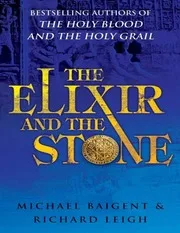
A Chymicall treatise of the Ancient and highly illuminated Philosopher Arnoldus de Nova
 80
80

A Chymicall treatise of the Ancient and highly illuminated Philosopher Arnoldus de Nova



Silas Hawthorne (Hermetic Studies Editor) — This newly accessible treatise by Arnoldus de Nova Villa is a significant contribution to the study of early modern alchemy. The 'Lover of the Spagyrick art' has masterfully preserved and presented a text brimming with profound esoteric insights. Its strength lies in its elegant yet cryptic exposition of alchemical principles, offering a potent blend of practical guidance and spiritual allegory. This work is particularly suited for dedicated seekers and scholars who appreciate the depth and nuance of classical Hermetic philosophy. It serves as a vital bridge to understanding the philosophical underpinnings of the Great Work, rewarding careful study with a glimpse into the alchemist's quest for divine knowledge and material transmutation.
📝 Description
80
Published in 1611, A Chymicall treatise by Arnoldus de Nova Villa reveals alchemical secrets.
This 1611 publication, presented by a 'Lover of the Spagyrick art,' contains writings attributed to Arnoldus de Nova Villa. The text discusses alchemical processes, suggesting the transformation of metals serves as an allegory for spiritual purification. It aims to guide sincere students through symbolic language towards achieving the Great Work. The author's intent was to share knowledge concerning the pursuit of the Philosopher's Stone, linking it to an understanding of the cosmos and the divine essence within creation. This work touches upon the metamorphosis of both material and spiritual aspects of existence. It invites readers to consider the subtle energies influencing life and the potential for inner perfection.
This treatise belongs to the Hermetic tradition, a body of esoteric thought drawing from ancient Greek and Egyptian philosophies, particularly the figure of Hermes Trismegistus. Alchemy, as practiced and described in texts like this, was not solely focused on material transmutation but also on spiritual and psychological transformation. The concept of the Great Work, the magnum opus, represented the ultimate goal of achieving perfection, often understood as both the creation of the Philosopher's Stone and the attainment of spiritual enlightenment. This work reflects the Renaissance era's fascination with ancient wisdom and the belief in a unified cosmos governed by hidden laws.
✍️ Author
a Lover of the Spagyrick art made public
Classic literature author · Public Domain
💡 Why Read This Book?
Uncover centuries-old alchemical secrets directly from the source, as this treatise reveals the veiled wisdom of Arnoldus de Nova Villa. It’s an essential read for seekers of hidden knowledge, scholars of Hermeticism, and practitioners of the Spagyrick art who wish to deepen their understanding of spiritual transformation through alchemical symbolism.
⭐ Reader Reviews
Honest opinions from readers who have explored this book.
❓ Frequently Asked Questions
Who was Arnoldus de Nova Villa?
Arnoldus de Nova Villa was a renowned philosopher, physician, and alchemist who lived approximately 400 years prior to this treatise's publication in 1611, making him a significant figure in medieval and early Renaissance esoteric thought.
What does 'Spagyrick art' refer to?
The Spagyrick art is an older term for alchemy, specifically emphasizing the separation (spao) and combination (ageiro) of substances to achieve purification and perfection, often with a focus on medicinal and spiritual applications.
Is this text suitable for beginners?
While the text is presented for 'Learners,' its language is symbolic and allegorical. Beginners should approach it with patience and a willingness to engage in deeper study alongside traditional alchemical commentaries.
What is the primary goal of the alchemical process described?
The primary goal is the 'Great Work,' which encompasses both the transmutation of metals into gold and, more importantly, the spiritual purification and perfection of the alchemist's own soul, leading to enlightenment.
Where does this treatise fit within alchemical literature?
This treatise is a valuable primary source from the early 17th century, offering direct insight into the alchemical traditions and philosophies prevalent at the time, bridging medieval and early modern alchemical thought.
🔮 Key Themes & Symbolism
The Great Work and Spiritual Transmutation
This treatise studies the profound concept of the Great Work, presenting alchemy not merely as a material pursuit but as a sacred path to spiritual purification and enlightenment. It posits that the transformation of base metals into gold is a potent metaphor for the alchemist's inner journey of shedding impurities, achieving spiritual perfection, and aligning with the divine. The text emphasizes the inseparable nature of material and spiritual alchemy, where the external processes mirror and facilitate internal change, leading to a state of elevated consciousness and true wisdom.
Veiled Language and Symbolic Allegory
The esoteric nature of alchemy is deeply embedded within the text's use of veiled language and symbolic allegory. The 'Lover of the Spagyrick art' employs a collection of metaphors, riddles, and cryptic pronouncements to convey profound truths that are not meant for the uninitiated. Understanding these symbols requires a dedicated study of Hermetic traditions, allowing the diligent seeker to unlock the hidden meanings behind the seemingly obscure references to elements, processes, and philosophical principles, thus revealing the deeper spiritual and psychological dimensions of the art.
The Philosopher's Stone as Divine Wisdom
Central to the alchemical quest is the elusive Philosopher's Stone, which in this treatise represents more than just a catalyst for material transmutation. It symbolizes divine wisdom, spiritual illumination, and the ultimate state of perfection achievable by the adept. The pursuit of the Stone is portrayed as a rigorous discipline requiring patience, faith, and an unwavering commitment to understanding the subtle laws of nature and the divine order. It is the key to unlocking not only material prosperity but also the profound secrets of existence and the path to eternal life.
💬 Memorable Quotes
Direct passages from the work, attributed to the author.
“The true Art is hidden from the vulgar eyes.”
— This highlights the secretive nature of alchemy, suggesting that its profound knowledge is reserved for those who dedicate themselves to its study and possess the inner disposition to grasp its esoteric truths.
“For the Learner must first purge himself.”
— Emphasizes the spiritual prerequisite for alchemical practice, indicating that self-purification and moral rectitude are essential before one can hope to achieve the Great Work.
“Nature doth work by degrees, and so must you.”
— A reminder of the gradual, incremental nature of both natural processes and alchemical transformation, urging patience and methodical application in the pursuit of the Art.
“The hidden fire is the soul of the matter.”
— Refers to the subtle, internal energy or vital force that animates and transforms substances, representing the spiritual essence that alchemists seek to understand and manipulate.
“Seek not gold, but the Gold-Maker.”
— A profound redirection of the alchemist's focus from the superficial goal of material wealth to the ultimate aim of spiritual union with the divine source of creation.
🌙 Esoteric Significance
Tradition
This treatise is firmly rooted in the Western Esoteric tradition, specifically within the lineage of Hermeticism and Alchemy. It draws upon the principles of "as above, so below," seeking to understand and replicate cosmic processes on an earthly plane. The text aligns with the philosophical underpinnings of the Great Work, which aims for both material perfection and spiritual salvation, echoing the Gnostic and Neoplatonic ideals of purification and divine union. It represents a significant articulation of the Spagyrick art during a key era of alchemical literature.
Symbolism
The text is rich with alchemical symbolism, employing allegorical language to represent profound truths. Key symbols likely include the Sun (gold, perfection), the Moon (silver, intuition), the Serpent (revelation, cyclical nature), and various elements and minerals, each imbued with specific spiritual and philosophical meanings. The processes described, such as calcination, dissolution, and separation, are not merely chemical steps but represent stages of inner purification and the refinement of the soul, mirroring the transformation of lead into gold.
Modern Relevance
In contemporary times, this treatise offers a profound exploration of transformation and self-discovery that resonates deeply. Its emphasis on inner purification and the symbolic representation of spiritual growth through alchemical processes provides a framework for modern psychological and spiritual practices. For those seeking to understand the historical development of esoteric thought or engage with ancient wisdom traditions, this text offers invaluable insights into the enduring human quest for meaning, perfection, and a deeper connection to the universal forces that govern existence.
👥 Who Should Read This Book
This treatise is a treasure for seasoned scholars of Hermeticism and Alchemy, offering a primary source for understanding early modern alchemical thought. It is also highly recommended for dedicated seekers of esoteric knowledge who are willing to engage with dense, symbolic language and commit to deep study. Practitioners of the Spagyrick art will find it a valuable addition to their library, providing historical context and philosophical depth to their work. While beginners may find it challenging, those with a strong foundational interest in spiritual transformation and ancient wisdom traditions will be rewarded by its clear insights.
📜 Historical Context
Published in 1611, this treatise emerges from a vibrant period of alchemical exploration in early modern Europe, a time when the boundaries between science, mysticism, and religion were fluid. The era witnessed a burgeoning interest in Hermeticism, Neoplatonism, and the esoteric sciences, fueled by the rediscovery of ancient texts and the intellectual curiosity of figures like Paracelsus. Alchemy was not merely a precursor to modern chemistry but a complex philosophical system seeking to understand the fundamental nature of reality, often intertwined with theological and cosmological beliefs. This period saw a proliferation of alchemical texts, some genuine and others spurious, making the careful curation and study of works like this treatise crucial for understanding the intellectual field of the time and the enduring quest for hidden knowledge.
📔 Journal Prompts
What does the 'hidden fire' symbolize in your own life or spiritual journey?
Reflect on a personal 'transformation' you have undergone. How does it mirror the alchemical process of purification?
Consider the concept of 'as above, so below' in relation to your daily actions and inner thoughts.
How can the principle of 'patience' and 'degrees' in alchemy be applied to achieving your personal or spiritual goals?
If the 'Philosopher's Stone' represents divine wisdom, what steps are you taking to cultivate it within yourself?
🗂️ Glossary
Spagyrick Art
An older term for alchemy, emphasizing the separation (spao) and combination (ageiro) of substances to achieve purification and perfection, often with medicinal or spiritual aims.
The Great Work
The ultimate goal of alchemy, encompassing both the transmutation of base metals into noble metals (like gold) and, more importantly, the spiritual purification and enlightenment of the alchemist.
Philosopher's Stone
A legendary alchemical substance believed to be capable of transmuting base metals into gold and silver, and often considered a symbol of spiritual perfection and divine wisdom.
Chymicall
An archaic spelling of 'chemical,' referring to the principles and practices of alchemy and early chemistry.
Vulgar
In this context, 'vulgar' refers to the common people or those lacking esoteric knowledge and understanding; the uninitiated.
This book appears in 1 collection
🔮 Readers Also Liked
Browse all →







From the “Occultism” Collection
View all →







More Free Alchemy & Hermeticism Books
View all →