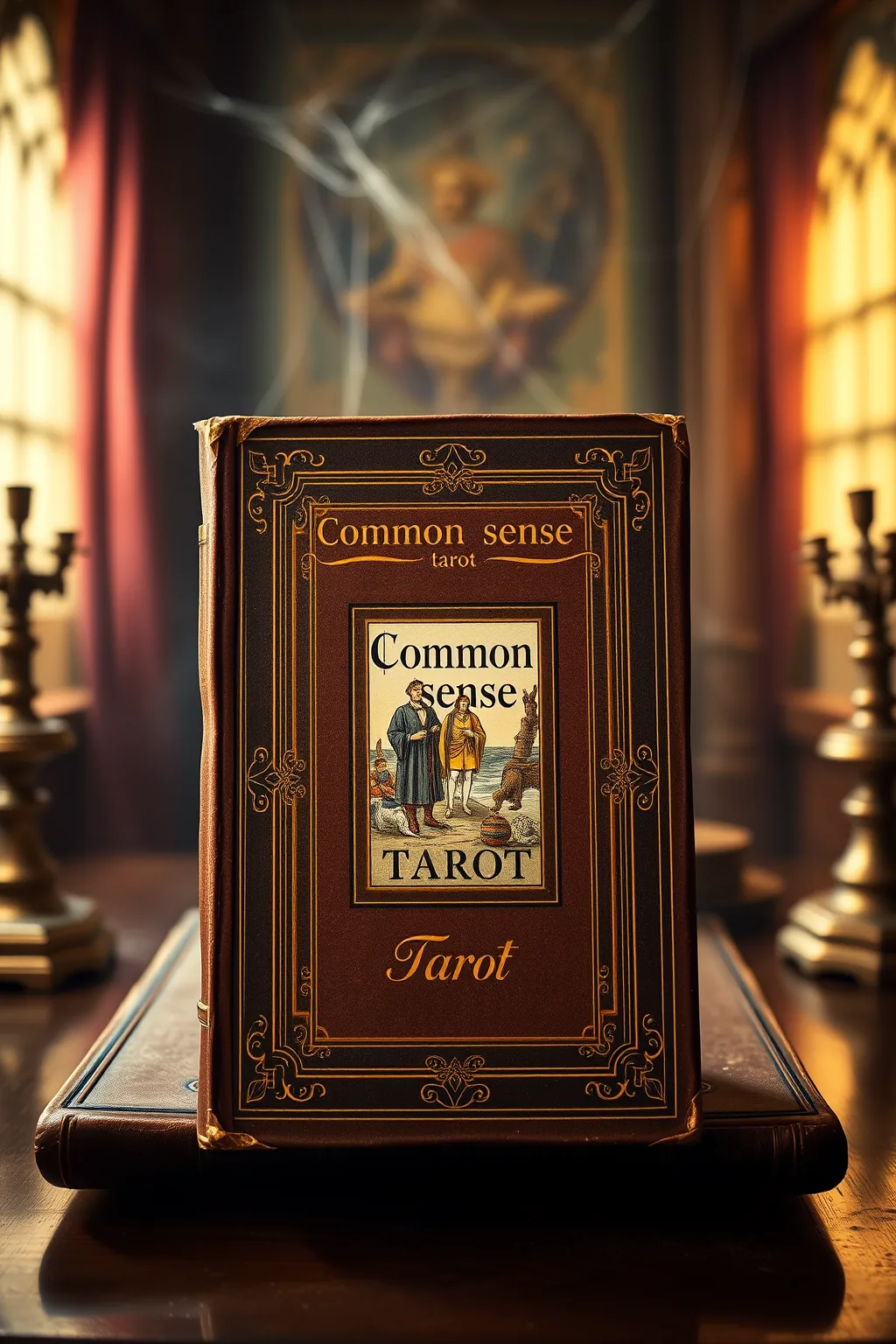
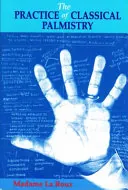
The Practice of Classical Palmistry
 61
61

The Practice of Classical Palmistry



Madame LA Roux's 'The Practice of Classical Palmistry' stands as a beacon of authentic chiromantic knowledge, meticulously dissecting the foundational techniques of this ancient divinatory art. Eschewing modern embellishments, LA Roux guides readers through the essential methods, revealing the profound symbolic language embedded within the palm. This text is invaluable for those seeking a rigorous understanding of the craft, offering clear instruction on interpreting the subtle nuances of hand anatomy. It is an essential resource for serious students of metaphysics and divination, providing the foundational wisdom necessary to develop true palmistry acumen. Alaric Kestrel, Metaphysical Studies Reviewer.
📝 Description
61
Madame LA Roux published 'The Practice of Classical Palmistry' to detail chiromancy's hidden language.
This book examines the principles of classical palmistry, focusing on the meaning held within the hand's lines, mounts, and shapes. Madame LA Roux breaks down the symbolic language of palmistry, treating each crease and contour as a form of cosmic inscription. The text aims to help readers understand personal character, destiny, and the flow of fate through hand analysis.
LA Roux's approach goes beyond surface-level interpretations, explaining the deeper esoteric foundations of the practice. It is written for individuals interested in self-knowledge, those wishing to practice palmistry, or students of esoteric traditions. The book encourages a greater appreciation for divination as a way to connect with universal patterns and foster intuition. Readers are encouraged to approach palm interpretation with new insight.
Classical palmistry, or chiromancy, is an esoteric tradition that interprets the lines, shapes, and features of the hand to understand personality, future events, and innate potential. Rooted in ancient practices found across various cultures, it views the hand as a map reflecting the individual's life path and inner state. This book connects to a lineage of texts that treat the hand not merely as a physical appendage but as a symbolic text, a form of natural astrology or physiognomy that reveals deeper truths about existence and the human condition.
💡 Why Read This Book?
Unravel the ancient wisdom inscribed upon your palms. This book offers a comprehensive and authentic guide to classical palmistry, revealing profound insights into your destiny, character, and potential. Ideal for seekers of self-knowledge, aspiring diviners, and students of esoteric arts, it provides the foundational understanding to interpret the subtle language of the hand with clarity and depth. Unlock your hidden potential and gain a deeper connection to the universal currents of fate.
⭐ Reader Reviews
Honest opinions from readers who have explored this book.
❓ Frequently Asked Questions
What are the fundamental elements analyzed in classical palmistry?
Classical palmistry analyzes the shape of the hand and fingers, the prominence of the mounts, and the intricate patterns of the major and minor lines. Each element possesses unique symbolic meanings and contributes to a holistic interpretation of an individual's life path and character.
Is palmistry predictive or purely interpretive?
Palmistry is primarily interpretive, offering insights into tendencies, potentials, and life lessons. While it can highlight potential future paths, its core strength lies in revealing character, strengths, and challenges, empowering individuals to navigate their journey with greater awareness.
How does classical palmistry differ from modern interpretations?
Classical palmistry emphasizes ancient symbolism and a more structured approach, often rooted in specific philosophical traditions. Modern interpretations may incorporate psychological perspectives or focus on broader archetypes, sometimes diverging from the traditional foundational principles.
Can anyone learn to read palms effectively?
With dedication, practice, and the right guidance, anyone can learn to read palms. This book provides the foundational knowledge and systematic approach necessary to develop proficiency, fostering intuition and a deep understanding of the hand's symbolic language.
What is the spiritual significance of palmistry?
Palmistry is viewed as a spiritual tool for self-discovery and understanding one's soul's journey. It connects the physical form to the energetic and spiritual realms, offering a tangible representation of the soul's blueprint and its unfolding path.
🔮 Key Themes & Symbolism
The Hand as a Cosmic Map
This theme explores the profound belief that the human hand is not merely flesh and bone, but a living map of an individual's cosmic journey. The lines, mounts, and shapes are presented as symbolic inscriptions, mirroring celestial alignments and the energetic currents that shape our lives. It looks at the ancient understanding of the hand as a microcosm of the universe, where every detail holds a specific energetic vibration and contributes to the grand collection of fate and free will. This perspective elevates palmistry from a mere fortune-telling practice to a profound philosophical exploration of self and destiny.
Symbolism and Archetypal Meanings
Central to classical palmistry is the rich lexicon of symbols and archetypes that imbue each feature of the hand with meaning. This theme unpacks the esoteric significance of the mounts, representing planetary influences and inherent potentials, and the lines, symbolizing life's major currents and psychological energies. It explores how these symbols, understood within an ancient framework, offer useful insights into character, relationships, career paths, and spiritual growth. The interpretation of these symbols is presented not as rigid prediction, but as a nuanced understanding of the forces at play within an individual's life.
The Art of Intuitive Interpretation
Beyond rote memorization of meanings, this theme highlights the cultivation of intuitive perception in palmistry. It emphasizes that while foundational knowledge is crucial, the true art lies in synthesizing these elements with empathetic observation and inner knowing. Madame LA Roux guides the reader to develop a 'feel' for the hand, to perceive the subtle energies and nuances that transcend mere intellectual understanding. This aspect connects palmistry to broader metaphysical practices, encouraging a dialogue between the physical form and the subtle domains of consciousness, fostering a holistic approach to divination.
💬 Memorable Quotes
Direct passages from the work, attributed to the author.
“Each line a story, each mount a celestial whisper.”
— This poetic assertion highlights the intricate narrative held within the palm, where lines signify life's events and mounts represent cosmic influences, painting a complex picture of an individual's being.
“The mounts speak of latent powers, the lines of their expression.”
— This highlights the interplay between inherent potential (mounts) and how those potentials are manifested and experienced in life (lines), offering a dynamic view of personal development.
“True chiromancy requires a heart open to its silent truths.”
— This emphasizes that effective palmistry is not just about technique, but about cultivating empathy and intuition, allowing the practitioner to perceive deeper, unspoken truths beyond the physical markings.
💡 Key Ideas
Editorial paraphrase of the work's core concepts — not direct quotes.
The hand is a mirror to the soul's journey.
This quote captures the core belief that our physical hands reflect our inner essence and the path our spirit is destined to tread, suggesting a profound connection between the material and the spiritual.
To read a hand is to read the unfolding of destiny.
This quote emphasizes the predictive and interpretive power of palmistry, suggesting that by understanding the hand's markings, one gains insight into the potential future and the fated path of a person's life.
🌙 Esoteric Significance
Tradition
Classical palmistry is deeply rooted in Hermeticism and Neoplatonism, traditions that view the cosmos as a unified, interconnected whole. It draws parallels between the microcosm (the human hand) and the macrocosm (the universe), believing that celestial influences are imprinted upon the flesh. This practice aligns with ancient divinatory arts that sought to understand divine will and human destiny through symbolic interpretation of natural phenomena, seeing the hand as a tangible manifestation of spiritual energies and archetypal patterns.
Symbolism
Key symbols include the mounts (Venus, Jupiter, Saturn, Apollo, Mercury, Luna, Mars), representing planetary energies and personality traits, and the lines (Life, Head, Heart, Fate, Sun), symbolizing vital force, intellect, emotions, destiny, and success. The shapes of the hands (e.g., spatulate, square, conic) and fingers also carry symbolic weight, indicating inherent tendencies and characteristics. These symbols are interpreted not in isolation but in concert, forming a complex symbolic language of the self.
Modern Relevance
In an age often characterized by disconnection and rapid change, classical palmistry offers a grounding anchor to self-understanding and introspection. Its emphasis on inherent potentials and life patterns provides a framework for navigating modern challenges with greater self-awareness and resilience. The practice encourages a mindful connection to one's own inner landscape and the subtle energies that influence our lives, serving as a valuable tool for personal growth, intuitive development, and a deeper appreciation of the human experience.
👥 Who Should Read This Book
This book is an indispensable resource for a diverse audience. **Beginners** seeking an authentic introduction to the foundational principles of chiromancy will find clear, systematic guidance. **Aspiring practitioners and seasoned diviners** will discover a rich source of classical techniques and symbolic depth to refine their skills. **Scholars of esoteric history and metaphysics** will appreciate its historical context and its contribution to the study of ancient divinatory arts. **Seekers of self-knowledge and personal growth** will find useful insights into their character, potential, and life path, empowering them to navigate their journey with greater clarity and intention.
📜 Historical Context
Emerging from ancient Hellenistic and Roman traditions, classical palmistry experienced significant revival and codification during the Renaissance and Victorian eras. This period saw a surge of interest in occult sciences and esoteric knowledge across Europe. Figures like John Dee and later European palmists meticulously documented and systematized the practice, attempting to bridge the gap between empirical observation and metaphysical understanding. 'The Practice of Classical Palmistry' likely draws from this rich lineage, reflecting a time when the study of the hand was considered a serious intellectual and spiritual pursuit, often intertwined with astrology and physiognomy. The Victorian era, in particular, was a golden age for palmistry, with practitioners gaining widespread popularity and influencing popular culture.
📔 Journal Prompts
Reflect on the dominant mount on your dominant hand. What planetary energies does it represent, and how do you see these manifesting in your life?
Analyze the clarity and depth of your Life Line. What does it suggest about your vitality, life force, and significant life experiences?
Consider your Heart Line. What does its shape and position reveal about your emotional nature and your approach to relationships?
Examine the shape of your hand and fingers. Do they align with any of the classical hand types, and what might this indicate about your fundamental disposition?
How does the interpretation of your palm markings resonate with your lived experiences? Where do you see confirmation, and where might there be areas for further exploration or growth?
🗂️ Glossary
Chiromancy
The art and practice of foretelling fortunes or diagnosing character by the examination of the palm of the hand. It is often used interchangeably with palmistry.
Mounts
The fleshy, raised pads on the palm, typically associated with planetary influences and specific personality traits or potentials. Examples include the Mount of Venus and the Mount of Jupiter.
Lines
The creases or furrows on the palm, each representing different aspects of life such as health, intellect, emotions, and destiny. The major lines include the Life Line, Head Line, and Heart Line.
Dominant Hand
The hand that an individual uses most frequently for writing or fine motor tasks. In palmistry, it is often interpreted as representing the present and future, while the non-dominant hand represents past influences and inherited traits.
Traces
Minor lines or markings on the palm that are less prominent than the major lines. These can offer additional nuances and specific details about life events, experiences, or character traits.
This book appears in 1 collection
🔮 Readers Also Liked
Browse all →







More by Madame LA Roux
All books →

From the “Palmistry” Collection
View all →







More Free Divination & Tarot Books
View all →