The vampire's bride

 80
80

The vampire's bride
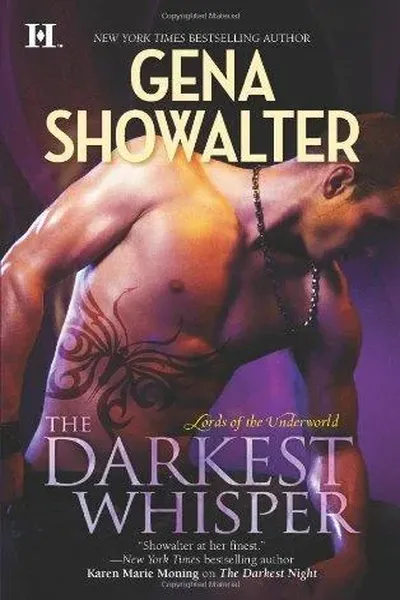
Showalter's 2009 entry, "The Vampire's Bride," arrives as a genre piece aiming for dark romance with supernatural undertones. The premise, involving a mortal woman entangled with ancient vampiric forces, offers a familiar but potentially fertile ground. The author's strength lies in building immediate romantic tension, a hallmark of her style. However, the narrative occasionally falters under the weight of its own mythology, with plot developments sometimes feeling rushed to accommodate the central romance. A particularly memorable section involves the protagonist's initial encounter with the titular vampire's ancestral manor, a setting that effectively evokes gothic unease. While it fulfills the expectations of its subgenre, the work could benefit from deeper exploration of the vampiric condition beyond its romantic implications. It is a competent example of late-2000s paranormal romance.
📝 Description
80
### What It Is
"The Vampire's Bride" by Gena Showalter, first published in 2009, enters the paranormal romance genre with a tale steeped in ancient lore and modern allure. It centers on a protagonist thrust into a world of immortal beings, where danger and forbidden passion intertwine. The narrative explores themes of destiny, sacrifice, and the complex relationships that form between mortals and beings of immense power and age. The book is recognized for its blend of suspenseful plotting and character-driven emotional arcs, typical of paranormal romance published in the late 2000s.
### Who It's For
This work is crafted for readers who enjoy dark fantasy elements within romance narratives. It appeals to those fascinated by mythical creatures, particularly vampires, and their interactions with human society. Fans of fast-paced plots, intense romantic tension, and heroines who discover hidden strengths will find this book engaging. It is also suitable for those exploring the evolution of vampire literature beyond traditional gothic tropes, seeking modern interpretations of immortal beings and their eternal struggles.
### Historical Context
Published in 2009, "The Vampire's Bride" emerged during a significant surge in the popularity of vampire fiction, heavily influenced by phenomena like the *Twilight* series and the *True Blood* television adaptation. This period saw a proliferation of paranormal romance novels, each attempting to offer a unique spin on vampire mythology. Showalter's work contributed to this trend by focusing on the romantic and supernatural entanglements of its characters, placing it within a broader literary movement that re-examined and modernized classic gothic figures for contemporary audiences.
### Key Concepts
The novel engages with the concept of the 'vampire' not merely as a monster but as a complex, often tragic, immortal being. It explores the inherent conflict between the desire for love and the curse of eternal existence. Themes of possession, control, and the struggle for free will against predetermined destinies are central. The 'bride' motif itself suggests themes of eternal commitment, sacrifice, and the transformation of the mortal into something other, blurring lines between victim and empowered participant.
💡 Why Read This Book?
• Gain insight into the specific tropes of late-2000s paranormal romance by examining the character dynamics and plot structures present in "The Vampire's Bride," as seen in its 2009 publication context. • Experience the particular brand of romantic intensity Showalter cultivates, focusing on the "bride" concept as a symbol of eternal commitment and transformation within the vampire narrative. • Understand how Gena Showalter's work fits into the broader resurgence of vampire literature around 2009, exploring its engagement with established vampire lore and its unique contributions to the genre.
⭐ Reader Reviews
Honest opinions from readers who have explored this book.
❓ Frequently Asked Questions
When was Gena Showalter's 'The Vampire's Bride' first published?
Gena Showalter's 'The Vampire's Bride' was first published in 2009, positioning it within the peak of paranormal romance's popularity.
What are the main themes explored in 'The Vampire's Bride'?
The novel explores themes of eternal love, sacrifice, destiny versus free will, and the complex relationships between mortals and immortal beings, particularly vampires.
Does 'The Vampire's Bride' involve ancient mythology?
Yes, the book draws on established vampire lore and incorporates elements of ancient, often dark, supernatural mythology to frame its narrative and character motivations.
Is 'The Vampire's Bride' part of a series?
While specific series information can vary, 'The Vampire's Bride' is often associated with Showalter's broader work in the paranormal romance genre, sometimes featuring interconnected characters or themes.
Who are the primary characters in 'The Vampire's Bride'?
The central characters typically involve a mortal woman who becomes entangled with a powerful, ancient vampire, exploring their intense and often dangerous relationship.
What is the overall tone of 'The Vampire's Bride'?
The tone is predominantly dark romantic, blending elements of suspense, passion, and supernatural intrigue characteristic of the paranormal romance genre.
🔮 Key Themes & Symbolism
Mortal-Immortal Entanglement
The narrative centers on the forbidden and intense connection forged between a human protagonist and an ancient vampire. This relationship challenges conventional boundaries, exploring themes of eternal love, possessiveness, and the inherent dangers of bridging the gap between the living and the undead. The concept of a 'vampire's bride' itself signifies a profound, often sacrificial, union that transcends mortal lifespans and societal norms.
Destiny and Free Will
A significant undercurrent in the book involves the struggle against predetermined fates. Characters often grapple with prophecies, ancient curses, or the sheer weight of their immortal nature, questioning whether they can forge their own paths or are merely pawns in a larger cosmic game. The human protagonist, in particular, may find her free will tested against the powerful allure and influence of her immortal suitor.
The Nature of the Vampire
Showalter reinterprets the classic vampire archetype, moving beyond simple monstrosity. The vampires presented are often portrayed with complex histories, deep emotional scars, and a capacity for intense passion, albeit frequently intertwined with predatory instincts. This exploration delves into the tragic aspects of immortality and the internal conflicts faced by beings cursed with eternal life.
Ancient Pacts and Bloodlines
The story frequently references ancient pacts, forgotten histories, and powerful bloodlines that dictate the lives and relationships of the supernatural characters. These elements add a layer of lore and mystique, grounding the romance in a world with established rules and ancient grudges. The concept of lineage and inherited power plays a crucial role in shaping conflicts and alliances.
💬 Memorable Quotes
“He was ancient darkness and dangerous allure.”
— This phrase encapsulates the dual nature of the vampire protagonist. It suggests a being of immense power and potentially malevolent history, yet simultaneously possesses an irresistible charm that draws the human protagonist in.
“Her mortal heart beat a frantic rhythm against his eternal silence.”
— This highlights the fundamental contrast between the human and immortal characters. It emphasizes the vulnerability and fleeting nature of human life against the enduring, perhaps lonely, existence of the vampire.
“Bound by blood and by choice.”
— This suggests a complex relationship where commitment is solidified not just by supernatural necessity or ancient laws ('blood'), but also by genuine personal decision and emotional connection ('choice').
“Immortality was a cage, not a gift.”
— This interpretation reflects a common trope in vampire fiction where eternal life is presented as a curse. It implies a sense of profound loneliness, regret, and a longing for the finitude that mortality offers.
“She saw the monster, but felt the man within.”
— This speaks to the protagonist's ability to perceive beyond the surface-level predatory nature of the vampire. It suggests an empathetic connection that recognizes the underlying humanity or past self buried beneath the immortal facade.
🌙 Esoteric Significance
Tradition
While not strictly adhering to a single esoteric tradition, "The Vampire's Bride" taps into archetypal themes found in Gnostic and Romantic literature concerning forbidden knowledge, the allure of the shadow self, and the 'fallen angel' archetype. The vampire figure can be seen as a modern manifestation of the 'daemon' or 'genius' – a powerful, ancient entity representing primal forces and forbidden desires, existing outside conventional morality and temporal constraints.
Symbolism
The 'vampire' itself serves as a potent symbol of primal urges, eternal life contrasted with mortality's fragility, and the seductive danger of forbidden knowledge or power. The 'bride' motif symbolizes union, transformation, and sacrifice – a mortal willingly (or unwillingly) entering a pact that changes their very essence. Blood, a recurring element, symbolizes life force, lineage, and the binding nature of ancient covenants or curses.
Modern Relevance
Contemporary urban fantasy and paranormal romance continue to draw from the foundational myths and character dynamics explored in works like "The Vampire's Bride." The exploration of complex, morally ambiguous supernatural beings with profound emotional depth resonates with modern audiences seeking nuanced portrayals of power, desire, and the human (or inhuman) condition.
👥 Who Should Read This Book
• Fans of Gena Showalter's previous works seeking more of her signature blend of intense romance and supernatural elements. • Readers interested in the evolution of vampire literature, specifically the paranormal romance subgenre that gained prominence in the late 2000s. • Individuals drawn to dark fantasy themes, forbidden love stories, and narratives featuring powerful, ancient immortal beings.
📜 Historical Context
Published in 2009, "The Vampire's Bride" arrived during a zenith of paranormal romance's popularity, a literary movement heavily influenced by the success of works like Stephenie Meyer's *Twilight* saga and Charlaine Harris's *Sookie Stackhouse* novels. This era saw a proliferation of authors exploring vampire lore, often with a focus on romantic entanglements between mortals and immortal beings. Showalter's contribution aligns with a trend that reimagined the gothic vampire for a contemporary audience, emphasizing allure, passion, and complex relationships over pure horror. The market was saturated, with many books competing for attention, leading to a focus on distinctive romantic pairings and supernatural backstories. Unlike earlier, more overtly horror-focused vampire narratives from authors like Bram Stoker, the 2009 landscape favored stories where the vampire's curse was often secondary to the intensity of the romantic connection.
📔 Journal Prompts
The vampire's eternal silence contrasting with the bride's frantic heart.
Reflect on the power dynamics inherent in the 'bound by blood and by choice' dynamic.
Consider the allure of the 'ancient darkness and dangerous allure' presented in the text.
Analyze the symbolism of immortality as a 'cage' rather than a gift.
Explore the tension between the monstrous and the man within the vampire figure.
🗂️ Glossary
Paranormal Romance
A subgenre of fiction that blends romance with supernatural or fantastical elements, typically featuring creatures like vampires, werewolves, or witches.
Vampire Lore
The collection of myths, legends, and characteristics associated with vampires across various cultures and literary traditions, including their origins, powers, and weaknesses.
Gothic Tropes
Literary devices and recurring themes common in Gothic literature, such as ancient castles, dark secrets, supernatural occurrences, intense emotions, and a sense of dread.
Immortal
A being possessing eternal life, often characterized by supernatural powers, agelessness, and a detachment from the finite nature of human existence.
Archetype
A recurring symbol, character type, or narrative pattern that appears across cultures and time periods, often representing fundamental human experiences or concepts.
Bloodlines
In supernatural fiction, refers to inherited powers, curses, or destinies passed down through generations of a supernatural family or lineage.
Supernatural Entanglement
A situation where a mortal character becomes deeply involved with supernatural beings or forces, often leading to significant danger, transformation, or romance.