The Sookie Stackhouse companion

 74
74

The Sookie Stackhouse companion
Charlaine Harris's Sookie Stackhouse series, particularly through the lens of this companion, presents a fascinating case study in modern folklore and urban fantasy. The work excels in dissecting the intricate social dynamics Harris constructed, wherein vampires, werewolves, and other creatures navigate a world forced to acknowledge their existence, a concept Harris explored with growing complexity after the initial 2001 publication. The companion effectively highlights the series' evolution from a simple paranormal romance to a more involved exploration of prejudice and acceptance, particularly through Sookie’s own evolving understanding of her place among various supernatural factions. However, the companion sometimes feels more like an academic dissection than a fan’s enthusiastic appreciation. While it meticulously details plot points and character relationships, it occasionally misses the sheer fun and emotional core that made the series a phenomenon. The strength lies in its analytical rigor, but a touch more of the series' inherent charm would have elevated it further. It’s a valuable resource for understanding the mechanics of Harris’s world, even if it doesn't always capture its soul.
📝 Description
74
### What It Is
The Sookie Stackhouse Companion is a comprehensive guide to Charlaine Harris's popular Southern Vampire Mystery series. Published in 2011, this work offers readers an in-depth exploration of the supernatural elements, character arcs, and thematic underpinnings that define the narrative world. It serves as an analytical resource for those fascinated by the intricate lore and the blend of paranormal romance with Southern Gothic sensibilities.
### Who It's For
This companion is aimed at dedicated fans of the Sookie Stackhouse novels and the HBO series *True Blood*, as well as readers interested in the study of modern folklore and the supernatural in popular culture. It appeals to those who appreciate detailed analyses of fictional universes, character motivations, and the evolution of fantasy tropes within a contemporary setting.
### Historical Context
The Sookie Stackhouse series, which began with *Dead Until Dark* in 2001, emerged during a resurgence of interest in vampire fiction, following Anne Rice's influential work and preceding the full bloom of the paranormal romance subgenre. Harris’s unique approach, grounding fantastical creatures in a recognizably Southern American landscape, distinguished her contribution during this period.
### Key Concepts
The companion examines concepts such as the integration of the supernatural into mundane society, the exploration of identity through the lens of vampirism and other magical beings, and the socio-political implications of 'coming out' for non-human entities. It also dissects the romantic entanglements and the complex moralities faced by Sookie and her various supernatural paramours.
💡 Why Read This Book?
• Understand the societal impact of supernatural 'coming out' as depicted in the series, learning how characters like Sookie and Bill Compton grappled with the public revelation of their existence in the post-2001 literary landscape. • Analyze the unique blend of Southern Gothic and urban fantasy, appreciating how Harris used the specific cultural milieu of Louisiana to explore themes of otherness and belonging. • Gain insight into the complex power dynamics and romantic entanglements between humans and various supernatural species, such as the specific challenges faced by Sookie with Eric Northman in later books.
⭐ Reader Reviews
Honest opinions from readers who have explored this book.
❓ Frequently Asked Questions
What is the Sookie Stackhouse Companion and who wrote it?
The Sookie Stackhouse Companion is an analytical guide to Charlaine Harris's Sookie Stackhouse series. While the series author is Charlaine Harris, the companion itself was published in 2011 and is generally compiled by critics or enthusiasts examining her work.
When was the Sookie Stackhouse series first published?
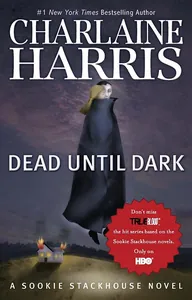
The first book in the Sookie Stackhouse series, *Dead Until Dark*, was published by Charlaine Harris in 2001, launching the popular paranormal mystery saga.
What are the main themes explored in the Sookie Stackhouse books?
The series explores themes of prejudice, acceptance, identity, and the integration of the supernatural into human society. It also delves into complex romantic relationships and the moral compromises characters make.
How does the Sookie Stackhouse Companion differ from the *True Blood* TV series?
The companion focuses on the original Sookie Stackhouse novels written by Charlaine Harris, analyzing their plot, characters, and themes. While related, it provides an interpretation of the books, which sometimes diverge significantly from the *True Blood* television adaptation.
What is the significance of Bon Temps in the Sookie Stackhouse series?
Bon Temps is the fictional small town in Louisiana where Sookie Stackhouse lives and where many of the supernatural events of the series unfold. It serves as a microcosm for the larger societal struggles with the introduction of non-human beings.
Does the companion discuss specific supernatural creatures like vampires and werewolves?
Yes, the companion delves into the lore and societal roles of various supernatural creatures introduced by Charlaine Harris, including vampires, werewolves, and fairies, examining their impact on Sookie's world.
🔮 Key Themes & Symbolism
Supernatural Integration and Society
The series, and by extension its companion, meticulously details the societal upheaval caused by the public revelation of supernatural beings, beginning around 2001. This theme examines how communities, laws, and social structures adapt (or fail to adapt) to the presence of vampires, werewolves, and other entities. It probes the anxieties and prejudices that arise, mirroring real-world civil rights struggles, and explores the concept of 'otherness' when applied to beings who were once hidden.
Identity and Otherness
Central to the Sookie Stackhouse narrative is the exploration of individual and collective identity, particularly for those who are 'different.' Sookie herself grapples with her telepathic abilities and her attraction to supernatural beings, questioning her own humanity. The companion highlights how characters like Bill Compton and Eric Northman, as vampires, navigate their existence, their pasts, and their evolving roles within human society, challenging conventional notions of selfhood.
Southern Gothic and Folklore
The work leverages the rich traditions of Southern Gothic literature and American folklore, grounding its fantastical elements in the specific cultural and geographical landscape of Louisiana. The companion analyzes how elements like local legends, spectral presences, and the humid, often oppressive atmosphere contribute to the narrative's unique tone. This setting becomes more than just a backdrop; it actively shapes the characters' interactions and the unfolding supernatural mysteries.
Romance and Power Dynamics
The intricate web of romantic relationships is a driving force in the Sookie Stackhouse series. The companion dissects the complex power dynamics inherent in relationships between humans and powerful supernatural beings, such as Sookie's entanglements with vampires and werewolves. It examines how love, desire, and loyalty are tested by vastly different lifespans, needs, and moral codes, questioning the nature of true connection across species.
💬 Memorable Quotes
“The notion that supernatural creatures could coexist with humans, beginning with the widespread availability of synthetic blood.”
— This concept, central to the series' premise, reflects a contemporary fascination with integrating the 'other' into society. The invention of 'V' allows vampires to eschew human victims, forcing a societal reckoning with their presence and rights.
“Sookie's struggle to reconcile her human emotions with her attraction to beings with vastly different natures and lifespans.”
— This highlights the thematic core of identity and belonging. Sookie questions her own place in the world as she forms deep bonds with vampires and other supernatural entities, pushing the boundaries of conventional relationships.
“The depiction of Bon Temps as a microcosm for societal acceptance of the supernatural after their public emergence.”
— This illustrates how Harris uses a small, seemingly ordinary town to explore larger issues of prejudice, fear, and tolerance. Bon Temps's reactions to vampires and other creatures serve as a commentary on human nature.
“Eric Northman's ancient perspective clashing with the immediate concerns of the modern world.”
— This points to the exploration of history and power. As an ancient vampire, Eric brings a long view and a different set of priorities, creating friction and intrigue as he interacts with Sookie and contemporary events.
“The inherent dangers and ethical quandaries of relationships between humans and powerful, immortal beings.”
— This addresses the romantic and dramatic tension. The companion recognizes that the allure of supernatural lovers is always tempered by the reality of their power, potential danger, and differing moral frameworks.
🌙 Esoteric Significance
Tradition
While not explicitly rooted in a single esoteric tradition like Hermeticism or Kabbalah, the Sookie Stackhouse series draws heavily from modern folklore, occult archetypes, and the broader genre of urban fantasy. It engages with the popular imagination's conception of vampires and other mythical beings, treating them as distinct 'races' with their own societies and hierarchies, akin to how some Theosophical or occult writers explored different planes of existence or elemental beings.
Symbolism
The primary symbol is the vampire itself, representing ancient power, forbidden desire, and the seductive allure of immortality and the 'other.' The recurring motif of blood signifies life force, lineage, and the primal connection between predator and prey. Sookie's telepathy can be seen as an esoteric ability, symbolizing intuition or a connection to hidden knowledge, often isolating her but also granting her unique insights into the true nature of those around her.
Modern Relevance
Contemporary urban fantasy authors and paranormal romance writers continue to draw inspiration from Harris's successful formula of integrating supernatural beings into recognizable modern settings. Thinkers exploring the sociology of fantasy, particularly the representation of marginalized groups and the 'other,' often cite the Sookie Stackhouse series as a key example of how popular culture grapples with these themes in the 21st century.
👥 Who Should Read This Book
• Fans of Charlaine Harris's Sookie Stackhouse novels seeking a deeper analytical understanding of the series' lore, characters, and thematic progression. • Students of modern folklore and popular culture interested in how myths and supernatural archetypes are reinterpreted in contemporary fiction. • Readers curious about the evolution of the urban fantasy and paranormal romance genres, particularly those who appreciate detailed examinations of world-building and character development.
📜 Historical Context
The Sookie Stackhouse series emerged in 2001, a period marked by a burgeoning interest in vampire fiction, partly fueled by Anne Rice's enduring popularity and the cultural fascination with gothic romance. Harris's contribution distinguished itself by firmly rooting supernatural elements within a contemporary Southern American setting, a departure from more traditional gothic castles or urban landscapes. This approach allowed her to explore themes of prejudice and societal integration in a unique context. Competing with other paranormal romance authors of the era, Harris's work gained significant traction, eventually leading to the highly successful HBO adaptation *True Blood* in 2008. The series' reception was largely positive, with critics noting its blend of humor, romance, and suspense, though some later works faced discussions regarding narrative complexity and character development.
📔 Journal Prompts
Sookie Stackhouse's telepathy as a symbol of intuitive insight or social alienation.
The societal impact of supernatural 'coming out' in Bon Temps.
The complexities of vampire existence as presented by Bill Compton and Eric Northman.
Analyzing the blend of Southern Gothic atmosphere and urban fantasy elements.
The ethical considerations of human-supernatural romantic relationships.
🗂️ Glossary
V
A synthetic blood substitute created for vampires, allowing them to exist without feeding on humans and facilitating their integration into society, a key plot device introduced early in the series.
Bon Temps
The fictional small town in Louisiana where Sookie Stackhouse resides and the primary setting for the Sookie Stackhouse series, serving as a microcosm for societal reactions to supernatural beings.
Maenad
A type of female vampire in the series known for their extreme aggression and wild nature, representing a more primal and dangerous aspect of vampirism beyond the 'civilized' vampires.
Were-creatures
A broad term encompassing various shapeshifters, including werewolves, who exist in the Sookie Stackhouse universe. They often operate under strict codes and face societal challenges distinct from vampires.
Fae
Fairies, a powerful and ancient race introduced later in the series, possessing significant magical abilities and a complex relationship with humans and other supernatural beings, often viewed with suspicion.
Pack
The social and familial unit for werewolves and other shapeshifters, emphasizing loyalty, hierarchy, and mutual protection within their community.
Telepathy
Sookie Stackhouse's innate psychic ability to read minds, a core element of her character that often isolates her but also provides crucial information and drives plot development.