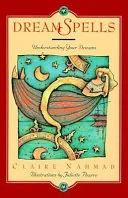
Lovespells

 75
75

Lovespells
Claire Nahmad’s Lovespells offers a grounded exploration of a topic often relegated to the sensational or trivial. The strength of the 1993 volume lies in its diligent cataloging of diverse practices, presenting love magic not as a fringe curiosity but as a persistent human endeavor across centuries and continents. Nahmad avoids the trap of presenting spells as guaranteed outcomes, instead focusing on the intent and belief structures behind them. A particular passage detailing the use of personal effigies in ancient Greek love charms, for instance, highlights the tangible, deeply personal nature of such workings. However, the book occasionally feels more like an anthropological survey than a deeply critical analysis, sometimes leaving the reader wanting a more robust engagement with the ethical quandaries these spells present. Despite this, Lovespells serves as a valuable repository of historical magical practice related to affection.
📝 Description
75
### What It Is Lovespells is a collection exploring the historical and practical dimensions of love magic across various cultures. It moves beyond mere incantations to examine the underlying belief systems and psychological frameworks that empower these rituals. The book presents a nuanced view, treating love spells not as simple charms but as complex expressions of human desire and intent, situated within specific cultural and spiritual contexts.
### Who It's For This work is for individuals interested in the history of magic, comparative religion, and the psychology of desire. It appeals to practitioners seeking to understand the deeper currents of love magic, researchers of folklore and occult traditions, and anyone curious about how human beings have historically sought to influence emotional bonds through ritual.
### Historical Context Published in 1993, Lovespells emerged during a period of renewed interest in esoteric studies and feminist spirituality. It arrived in a landscape where occult literature was gaining broader academic and popular attention, moving away from purely Victorian-era interpretations. The book offered a more inclusive and historically grounded perspective on love magic, differentiating itself from sensationalized or purely theoretical accounts prevalent at the time.
### Key Concepts The book examines concepts such as sympathetic magic, the power of intention, the role of personal objects in ritual, and the ethical considerations surrounding magic aimed at influencing others' affections. It explores how different cultures conceptualize love, attraction, and the forces that bind individuals together, framing spells as a manifestation of these deeply held beliefs.
💡 Why Read This Book?
• Understand the historical evolution of love magic, tracing its roots from ancient practices to the early 1990s, gaining insights not available in contemporary generic spellbooks. • Grasp the psychological underpinnings of love spells, examining how intention and belief, as discussed in the book's exploration of sympathetic magic, contribute to their perceived efficacy. • Discover specific cultural variations in love magic, such as the use of effigies detailed in the book, offering a nuanced perspective beyond Western esoteric traditions.
⭐ Reader Reviews
Honest opinions from readers who have explored this book.
❓ Frequently Asked Questions
When was "Lovespells" by Claire Nahmad first published?
Claire Nahmad's "Lovespells" was first published in 1993, positioning it within a wave of renewed interest in esoteric and folk magic studies during the late 20th century.
What kind of magic does "Lovespells" primarily focus on?
The book concentrates on love magic, exploring its historical manifestations, cultural variations, and the underlying belief systems that empower these rituals across different societies.
Does "Lovespells" provide actual spell instructions?
While it details historical practices and concepts, "Lovespells" primarily functions as an exploration and catalog of love magic rather than a direct spellbook for immediate use.
What historical periods or cultures are covered in "Lovespells"?
The book surveys love magic across various historical periods and cultures, offering examples from ancient traditions to more recent historical expressions of magical intent related to affection.
Is "Lovespells" considered an academic text or a practical guide?
It bridges both, offering historical and anthropological insights into love magic while touching upon the underlying principles that practitioners might consider, positioning it as a scholarly yet accessible work.
What distinguishes Claire Nahmad's approach to love magic in this book?
Nahmad emphasizes understanding the cultural context and psychological intent behind love spells, moving beyond simplistic notions to explore them as expressions of human desire within specific belief systems.
🔮 Key Themes & Symbolism
Sympathetic Magic in Affection
The work delves into the principle of sympathetic magic as applied to matters of the heart. This concept, central to many folk magic traditions, posits that like affects like and that one can influence a person or object through a symbolic link. Nahmad examines how items associated with a target individual—hair, clothing fragments, personal effects—were used in rituals to create this connection, thereby attempting to foster attraction or bind affections. The exploration moves beyond simple charm-making to analyze the deep-seated belief in interconnectedness that underpins such practices across diverse cultures.
Cultural Conceptualizations of Love
Lovespells highlights how different societies have historically understood and sought to manipulate romantic and sexual attraction. The book contrasts various cultural frameworks, revealing that what constitutes 'love' and the acceptable means of attaining it are not universal. It showcases how magical practices surrounding affection are deeply embedded in specific cultural narratives, religious beliefs, and social structures, offering a comparative perspective on human desire and its ritualistic expression throughout history.
Intent and Efficacy in Ritual
A core theme is the examination of intention as a driving force in magical workings related to love. Nahmad explores the idea that the focused will and emotional energy of the practitioner are crucial elements in the success of a love spell. The book analyzes how practitioners channeled their desires into tangible actions and symbolic representations, aiming to manifest desired outcomes. This perspective positions love magic as a psychological and spiritual endeavor, where belief and focused intent play significant roles in the perceived efficacy of the ritual.
Ethical Dimensions of Love Magic
While not always explicitly stated, the work implicitly engages with the ethical considerations surrounding magic intended to influence another person's will or affections. By cataloging diverse historical practices, the book prompts reflection on consent, free will, and the potential consequences of attempting to control another's emotions through supernatural means. This adds a layer of critical inquiry to the study of love spells, encouraging readers to consider the moral landscape of such practices.
💬 Memorable Quotes
“The belief that personal objects could serve as conduits for magical influence.”
— This paraphrased concept underscores the principle of sympathetic magic, where items intrinsically linked to a person are believed to carry their essence, enabling ritualistic manipulation or connection.
“Love spells as expressions of deeply held cultural understandings of attraction.”
— This interpretation highlights that the book views love magic not as isolated acts but as manifestations of broader societal beliefs about romance, desire, and interpersonal bonds within specific cultural contexts.
“The role of focused intention in empowering magical rituals.”
— This concept emphasizes the psychological and spiritual weight placed on the practitioner's mental focus and emotional energy as critical components for the perceived effectiveness of a love spell.
“Diversity in historical approaches to fostering affection through magic.”
— This paraphrased idea points to the book's survey of how different cultures and eras have conceptualized and enacted magic aimed at influencing romantic or sexual relationships, showcasing a wide array of methods.
“Examining the tangible elements used in love magic rituals.”
— This concept refers to the book's focus on the physical components of spells, such as herbs, personal items, or symbolic effigies, and their believed magical significance.
🌙 Esoteric Significance
Tradition
Lovespells fits broadly within the study of folk magic and Western esotericism, though it leans heavily towards anthropological documentation rather than adherence to a single lineage. It draws upon the historical understanding of sympathetic magic, a concept found in Hermeticism, Kabbalah, and various indigenous magical systems. The book's approach is less about promoting a specific tradition and more about cataloging and understanding the universal human impulse to influence affection through ritualistic means across different spiritual and cultural frameworks.
Symbolism
Key symbols explored implicitly include personal effigies, which represent the targeted individual through a physical link, embodying the principle of sympathetic connection. Herbs and natural elements frequently appear, often associated with planetary correspondences or folkloric beliefs about attraction (e.g., rose for love). The act of binding or knotting, present in many historical love spells, symbolizes the creation of an unbreakable connection or the restriction of another's will towards a specific person.
Modern Relevance
Contemporary practitioners of witchcraft, modern paganism, and even psychological approaches to manifestation often draw upon the historical grounding provided by works like Lovespells. Thinkers exploring the intersection of psychology and magic, or scholars of religion and gender studies, continue to reference such compilations for understanding the enduring human desire to influence interpersonal relationships. The book's non-dogmatic approach makes its historical examples relevant for diverse modern spiritual paths seeking to understand or adapt older magical forms.
👥 Who Should Read This Book
• Students of comparative religion and folklore: Those seeking to understand how love, desire, and interpersonal bonds have been ritualistically addressed across different cultures and historical periods. • Practitioners of folk magic and modern witchcraft: Individuals interested in the historical roots and diverse methodologies of love magic, looking to expand their knowledge beyond contemporary spellbooks. • Researchers of esoteric traditions: Scholars and enthusiasts examining the evolution of magical practices and belief systems, particularly those focused on human relationships and emotional influence.
📜 Historical Context
Published in 1993, Claire Nahmad's Lovespells emerged during a period when academic and popular interest in occultism and folklore was experiencing a significant resurgence. The late 20th century saw a move away from purely sensationalist depictions of magic towards more scholarly examinations of its historical and cultural roles. This era also witnessed the growth of feminist spirituality, which often explored alternative traditions and the reclaiming of female-associated magical practices. Lovespells contributed to this intellectual milieu by offering a comprehensive survey of love magic, differentiating itself from earlier, often more limited, Western-centric grimoires. While contemporary authors like Doreen Valiente were reviving interest in Wiccan traditions, Nahmad's work provided a broader, cross-cultural anthropological lens on the specific practice of love magic, situating it within diverse belief systems and historical contexts.
📔 Journal Prompts
Reflect on the concept of sympathetic magic as presented in Lovespells.
Analyze the cultural variations in love magic detailed in the book.
Consider the ethical implications of intent in love spells.
Explore the role of personal objects in historical love magic.
How do the beliefs surrounding attraction in Lovespells compare to modern dating culture?
🗂️ Glossary
Sympathetic Magic
A form of magic based on the principle that 'like affects like' and that a magical link can be established between two objects or persons, allowing influence to be exerted from one to the other.
Effigy
A representation or image of a person, often made of clay, wax, or other materials, used in magical rituals to represent and influence the person themselves.
Love Magic
Rituals, spells, or practices intended to influence the romantic or sexual feelings of another person, or to foster love and attraction between individuals.
Intent
The focused will, purpose, or mental energy directed by a practitioner towards a specific magical outcome, considered crucial for the efficacy of a spell.
Folk Magic
Magical beliefs and practices transmitted orally or through custom within a community or culture, often distinct from formalized religious or occult systems.
Conduit
In a magical context, an object, person, or channel believed to facilitate the flow of spiritual energy or influence between different realms or entities.
Anthropological Approach
A method of study that examines human societies and their cultures, focusing on comparative analysis of beliefs, practices, and social structures.