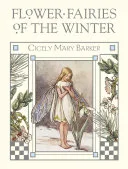
Flower Fairies of the Winter
 77
77

Flower Fairies of the Winter
Cicely Mary Barker’s ‘Flower Fairies of the Winter’ offers a gentle, yet persistent, invitation to observe the natural world with a more enchanted eye. The exquisite, detailed watercolour illustrations, a hallmark of Barker’s style since the 1920s, remain its strongest asset. Her depiction of the Holly Fairy, for example, captures a fierce, protective vitality that perfectly matches the plant’s winter resilience. However, the accompanying poems, while charming, occasionally lean towards a simplicity that might feel repetitive to adult readers seeking deeper esoteric allegory. The limitation lies not in the imagination, but in the sometimes-obvious rhymes and meter, which, while suitable for children, lack the complexity some adult practitioners might seek. The strength, conversely, lies in its grounding. The Yew Fairy, representing an ancient tree, prompts contemplation on longevity and the deep earth energies often overlooked in winter. It is a quiet, beautiful reminder of life’s persistence. This collection serves best as a visual and poetic primer for appreciating winter’s subtle magic.
📝 Description
77
### What It Is 'Flower Fairies of the Winter' is a collection of poems and illustrations by Cicely Mary Barker, focusing on the nature spirits associated with flora and fauna of the colder months. Originally published as part of her "Flower Fairy" series, this volume brings to life the often-overlooked beauty of winter's botanical elements. Each fairy is linked to a specific plant, such as the Holly Fairy or the Yew Fairy, and accompanied by a verse that explores its characteristics and mythological associations. The book serves as an introduction to a whimsical yet grounded perspective on the natural world, encouraging observation and appreciation.
### Who It's For This work is ideal for individuals seeking to reconnect with the subtle energies of nature, particularly during the winter season. It appeals to those who appreciate traditional illustration styles and lyrical poetry. Children and adults alike can find joy in Barker's charming depictions and accessible verses. It is also suitable for students of folklore, nature spirituality, and those interested in early 20th-century children's literature that subtly incorporates pagan or nature-worship themes. Readers looking for gentle prompts to observe their local environment will find it especially rewarding.
### Historical Context Cicely Mary Barker's "Flower Fairy" series first emerged in the 1920s, a period marked by a burgeoning interest in spiritualism and a romanticized view of nature, influenced by movements like Theosophy and the continued appeal of the Arts and Crafts movement's aesthetic. Barker's work, while primarily aimed at children, taps into a deeper vein of nature veneration present in various esoteric traditions. Her detailed botanical accuracy, combined with imaginative fairy lore, distinguished her from purely fantastical children's authors. The books were popular in an era when many families sought solace and wonder in the natural world, often as an antidote to industrialization. Her contemporaries included authors like Arthur Rackham, though Barker's focus remained distinctly on botanical spirits.
### Key Concepts The central concept is the personification of plants and natural phenomena as distinct elemental beings or fairies. Each fairy embodies the spirit of a specific winter-blooming or evergreen plant, linking their characteristics to the plant's attributes. For instance, the Yew Fairy represents the ancient, enduring nature of the yew tree, while the Holly Fairy embodies the vibrant, protective qualities of holly. The book encourages a form of animism, suggesting that nature is alive with conscious entities. It also promotes a seasonal awareness, highlighting the unique beauty and resilience of life during the winter months, a time often perceived as dormant or barren. The work subtly guides readers to see the 'ordinary' world through a lens of enchantment and interconnectedness.
💡 Why Read This Book?
• Gain an appreciation for winter flora through the specific depictions of plants like Holly and Yew, understanding their symbolic roles as presented by the Holly Fairy and Yew Fairy. • Discover the whimsical personification of nature spirits, fostering a sense of wonder and animistic connection to the 'ordinary' world, as exemplified by Barker’s unique artistic and poetic style. • Explore the historical context of nature appreciation in the early 20th century, understanding how works like this, first published in the 1920s, reflected and influenced attitudes towards the natural world.
⭐ Reader Reviews
Honest opinions from readers who have explored this book.
❓ Frequently Asked Questions
When was Cicely Mary Barker's 'Flower Fairies of the Winter' originally published?
While the 2020 edition is recent, the original 'Flower Fairy' series by Cicely Mary Barker, including concepts explored in 'Flower Fairies of the Winter', first emerged in the 1920s.
What kind of illustrations can I expect in 'Flower Fairies of the Winter'?
The book features Cicely Mary Barker's signature detailed watercolour illustrations, known for their delicate and accurate botanical depictions combined with whimsical fairy figures.
Are the poems in 'Flower Fairies of the Winter' difficult to understand?
No, the poems are generally written in simple, lyrical language, making them accessible and engaging for children and adults alike, focusing on the characteristics of winter plants.
What is the main theme of 'Flower Fairies of the Winter'?
The central theme is the personification of winter plants as fairies, encouraging readers to find beauty and wonder in the natural world during the colder months.
Does 'Flower Fairies of the Winter' connect to any specific esoteric traditions?
While not explicitly tied to one doctrine, the book aligns with animistic beliefs and nature veneration found in various pagan and nature-based spiritual traditions, popular in the early 20th century.
Who are some specific characters mentioned in 'Flower Fairies of the Winter'?
Readers will encounter fairies representing plants such as the Holly Fairy and the Yew Fairy, each embodying the spirit and characteristics of their respective flora.
🔮 Key Themes & Symbolism
Winter Nature Personification
This theme explores the central idea of attributing human-like qualities and spirits to winter flora. Fairies like the Holly Fairy and Yew Fairy are not mere decorations but embodiments of the plants' essence, resilience, and unique characteristics during the colder season. The book encourages readers to see the 'ordinary' world as imbued with life and consciousness, fostering an animistic perspective that is foundational to many nature-based spiritual practices. It highlights the subtle beauty often overlooked when nature appears dormant.
Botanical Folklore and Symbolism
Each fairy is intrinsically linked to a specific plant, drawing upon and popularizing associated folklore and symbolism. The Yew Fairy, for instance, reflects the ancient connotations of the yew tree with longevity and wisdom, while the Holly Fairy represents its vibrant, protective qualities through the winter. This approach integrates botanical knowledge with imaginative storytelling, offering insights into how different cultures have perceived and utilized plants throughout history, particularly within a Western European context.
Appreciation of the 'Ordinary'
A core message is the encouragement to find wonder and beauty in everyday natural elements, especially those present in winter. Barker invites readers to look closely at plants like holly, ivy, or yew and appreciate their enduring presence and form. This theme challenges the common perception of winter as bleak or uneventful, suggesting that a deeper observation reveals a rich and magical world. It's an invitation to cultivate mindfulness and gratitude for the natural cycles.
Children's Literature and Esotericism
The book represents a genre of early 20th-century children's literature that subtly incorporates esoteric or nature-venerating ideas. While accessible to young readers, the underlying themes of elemental spirits and nature's inherent magic align with broader interests in spiritualism and Paganism prevalent during the 1920s. Barker's work bridges the gap between educational botanical observation and imaginative, spiritual engagement with the natural world.
💬 Memorable Quotes
“The Yew Fairy.”
— This entry, and others like it, represent the core concept of personifying specific winter plants. It encourages contemplation on the ancient, enduring nature attributed to the Yew tree, inviting readers to see it not just as wood, but as a living spirit with deep wisdom.
“The Holly Fairy.”
— This fairy embodies the vibrant, protective spirit of the holly plant during winter. The concept suggests an active, almost fierce, vitality in nature even during the coldest months, highlighting the plant's resilience and symbolic associations with warding and life.
“Look at nature and learn to appreciate the true beauty and wonder of the 'ordinary' world around us.”
— This sentiment, paraphrased from the original blurb, encapsulates the book's primary aim: to shift the reader's perception. It encourages a mindful observation of common plants and natural phenomena, revealing their inherent enchantment and value beyond superficial appearances.
“Encourage us to look at nature...”
— This phrase highlights the active role the fairies and the book play in guiding the reader's attention. It suggests that the book serves as a pedagogical tool, prompting observation and fostering a deeper, more appreciative connection with the natural environment.
“Warm and mischievous fairies of the coldest season.”
— This description sets a specific tone for the winter fairies, portraying them not as cold or distant, but as lively and engaging entities. It challenges the notion of winter as solely a time of dormancy, infusing it with playful, energetic nature spirits.
🌙 Esoteric Significance
Tradition
Barker's work aligns broadly with animistic and nature veneration traditions found within Western esotericism, particularly drawing from folkloric elements often associated with Celtic and Germanic traditions. While not explicitly rooted in a single system like Kabbalah or Hermeticism, it echoes the elemental correspondences and the belief in nature spirits (elementals, fairies, sprites) that were popularized by figures like Paracelsus and later integrated into Theosophical and nature-based spiritual movements. It represents a gentle introduction to the concept of a living, conscious natural world.
Symbolism
Key symbols include the specific plants themselves: the Holly, representing resilience, protection, and enduring life through winter, often associated with solar or protective energies; and the Yew, symbolizing longevity, ancient wisdom, death, and rebirth, connected to deep earth magic and ancestral connections. The fairies themselves are symbols of the inherent life force and consciousness within the plant kingdom, bridging the gap between the physical and the subtly energetic realms.
Modern Relevance
Contemporary nature-based spiritual paths, eco-spiritual movements, and contemporary witchcraft practices often draw inspiration from this type of accessible nature personification. Thinkers and practitioners focusing on re-enchanting the world, fostering ecological consciousness, or working with plant spirits find Barker’s work a valuable starting point. Her detailed illustrations are still referenced in modern pagan and witchcraft communities for their aesthetic and symbolic resonance.
👥 Who Should Read This Book
['• Aspiring nature communicators and animistic practitioners seeking foundational visual and poetic inspiration for connecting with plant spirits and the subtle energies of the natural world.', "• Folklorists and scholars of early 20th-century children's literature interested in the intersection of art, nature, and esoteric themes during the rise of spiritualism.", '• Parents and educators looking for beautifully illustrated, gentle introductions to nature appreciation and seasonal awareness for young children, fostering a connection to the winter landscape.']
📜 Historical Context
Cicely Mary Barker’s 'Flower Fairy' series, including 'Flower Fairies of the Winter', first bloomed in the 1920s, a period rich with interest in the unseen world. This era saw the flourishing of spiritualism and movements like Theosophy, which sought to synthesize ancient wisdom with modern understanding, often emphasizing nature spirits and elemental beings. Barker’s work, with its meticulous botanical illustrations and whimsical poetry, tapped into a prevailing romantic sensibility towards nature, influenced by the Arts and Crafts movement's aesthetic ideals and a desire for connection to the natural amidst industrialization. While her primary audience was children, her detailed approach and the underlying animistic themes resonated with a broader cultural fascination with folklore and the 'little people'. Her approach stood apart from the more overtly allegorical or fantastical fairy tales of contemporaries like Beatrix Potter, grounding her magic in precise botanical observation. The reception was largely positive, solidifying her place in children's literature while subtly introducing nature veneration.
📔 Journal Prompts
The Yew Fairy's ancient symbolism and its representation of longevity.
The resilience of the Holly Fairy amidst the coldest season.
Observations of winter flora and the potential spirits they embody.
Reflecting on the concept of the 'ordinary' world holding hidden wonder.
The role of mischievous nature spirits in the winter landscape.
🗂️ Glossary
Flower Fairy
A personification of a specific plant or flower, depicted as a small, winged being. In Barker's work, each fairy is associated with a particular species and embodies its characteristics.
Nature Spirits
In esoteric traditions, these are elemental or nature-based entities believed to inhabit and influence the natural world. Barker's fairies can be seen as a gentle interpretation of these beings.
Animism
The belief that natural objects, phenomena, and the universe itself possess souls or consciousness. Barker's illustrations and poems encourage an animistic view of plants.
Botanical Illustration
Artistic representations of plants, emphasizing accuracy in detail and form. Barker's work is renowned for its blend of botanical accuracy and imaginative flair.
Winter Flora
Plants that are alive and visible, or bear fruit/foliage, during the winter months. This includes evergreens like holly and yew, as well as plants with winter berries or distinctive bare structures.
Esotericism
Systems of thought or religious belief that are meant only for a select group of people who are initiated into them. Often deals with hidden meanings and spiritual truths.
Folklore
The traditional beliefs, customs, and stories of a community, passed through generations by word of mouth. Barker draws on these elements for her fairy depictions.