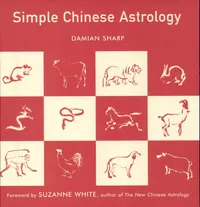
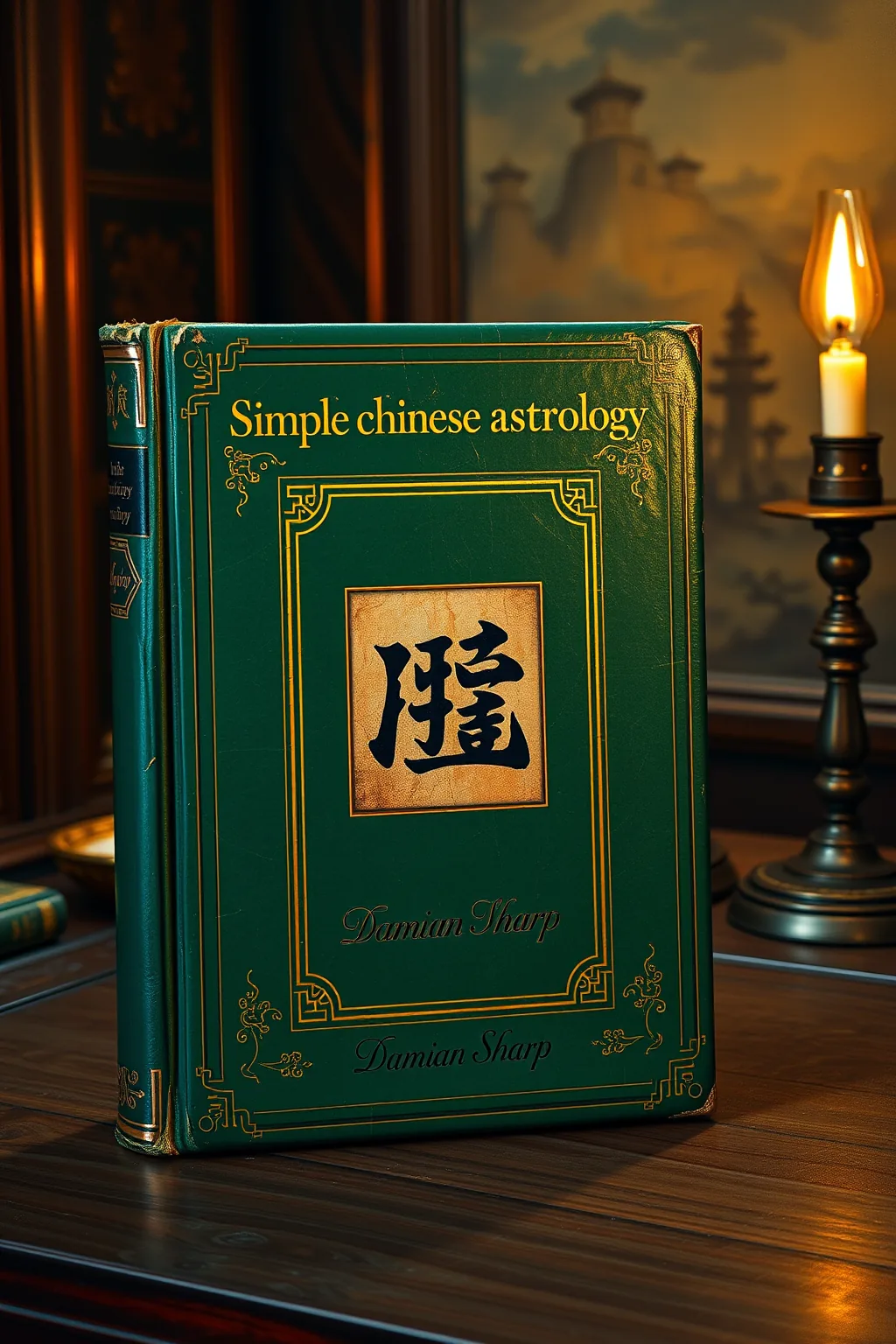
Simple Chinese Astrology
 79
79

Simple Chinese Astrology
Damian Sharp's *Simple Chinese Astrology* provides a no-nonsense introduction to a system rich with millennia of cultural development. The book's strength lies in its clarity; it demystifies the core components of the Chinese zodiac without resorting to overly academic or esoteric jargon. The explanation of the sixty-year cycle, linking the five elements to the twelve animals, is particularly well-articulated for a beginner. However, the work occasionally feels a bit too pared down. While it covers the basics of the animal signs and their elemental associations, it offers little in the way of complex chart analysis or predictive techniques beyond the most general personality traits. The legend of Buddha's summoning of the animals, while charming, feels like a narrative device rather than a deep dive into the system's philosophical underpinnings. For a truly introductory text, it succeeds, but those seeking to practice or deeply understand the mechanics will need to look further. It serves as a competent primer, but not a comprehensive guide.
📝 Description
79
Damian Sharp's Simple Chinese Astrology, published in 2012, explains the sixty-year zodiacal cycle.
This book introduces the Chinese zodiac and its astrological system, which is tied to the lunar calendar. It describes the sixty-year cycle, a pattern of five twelve-year periods each linked to an element and an animal sign. The text notes the system's traditional attribution to Emperor Huang Ti around 2700 B.C.E. and covers the basic interactions among the twelve animal signs.
Designed for those new to Eastern astrology, the book offers a clear entry point for individuals interested in the zodiac's animal archetypes and their characteristics. It also appeals to readers of comparative astrology who wish to see how different cultures interpret celestial influences on human life. The work touches on the legend of Buddha and the twelve animals, which provides the symbolic basis for the zodiac.
Chinese astrology is a system rooted in ancient Chinese cosmology and philosophy, dating back millennia. It operates on principles of cyclical time, yin and yang, and the five elements (Wu Xing), which are believed to govern the universe and human destiny. The zodiac, with its twelve animal signs, is a core component, each sign possessing distinct characteristics that influence personality and fortune. This book presents these concepts within their traditional framework, connecting celestial observations to the human experience.
💡 Why Read This Book?
• You will learn the fundamental characteristics of each of the twelve Chinese zodiac animals, such as the traits attributed to the Dragon, and how they are believed to influence personality and destiny, providing a unique lens on self-understanding. • You will gain an understanding of the sixty-year cycle, a core concept in Chinese astrology that integrates the five elements (Wood, Fire, Earth, Metal, Water) with the twelve animal signs, offering a more nuanced view than single-animal predictions. • You will discover the legendary origins of the Chinese zodiac, including the story of Buddha and the animals, providing cultural context that enriches the symbolic meaning of the Rat, Ox, Tiger, and other signs.
⭐ Reader Reviews
Honest opinions from readers who have explored this book.
❓ Frequently Asked Questions
What is the origin of the Chinese zodiac?
The Chinese zodiac's origins are traditionally attributed to Emperor Huang Ti, who is said to have introduced the system between 2700 and 2600 B.C.E. It is fundamentally tied to the Chinese lunar calendar and its cyclical nature.
How long is a complete cycle in Chinese astrology?
A complete cycle in the Chinese astrological system spans sixty years. This is formed by the combination of the twelve animal signs and the five elements, with each element influencing twelve consecutive years.
Which animals are part of the Chinese zodiac?
The twelve animals of the Chinese zodiac are the Rat, Ox, Tiger, Rabbit, Dragon, Snake, Horse, Goat, Monkey, Rooster, Dog, and Pig. Each animal is associated with specific personality traits and characteristics.
What is the role of the five elements in Chinese astrology?
The five elements—Wood, Fire, Earth, Metal, and Water—are integral to Chinese astrology. They interact with the twelve animal signs, modifying their characteristics and influencing the energies of specific years within the sixty-year cycle.
Is Chinese astrology based on the solar or lunar calendar?
Chinese astrology is primarily based on the Chinese lunar calendar. This calendar dictates the cycles of the twelve animals and the progression of the elements, differing from Western astrology's solar-based system.
Who wrote Simple Chinese Astrology?
Simple Chinese Astrology was written by Damian Sharp. The book was first published in 2007 and aims to provide a basic introduction to the ancient system of Chinese astrology.
🔮 Key Themes & Symbolism
The Twelve Animal Archetypes
The book details the twelve animal signs of the Chinese zodiac: Rat, Ox, Tiger, Rabbit, Dragon, Snake, Horse, Goat, Monkey, Rooster, Dog, and Pig. Each animal is presented with a distinct set of personality traits, strengths, and potential challenges. For instance, the Dragon is often depicted as powerful and charismatic, while the Rabbit might be seen as gentle and artistic. Understanding these archetypes offers a framework for self-reflection and insight into interpersonal dynamics, as each sign represents a different facet of human nature and experience within the broader cosmic cycle.
The Sixty-Year Elemental Cycle
A core concept explored is the sixty-year cycle, which forms the backbone of Chinese astrological calculations. This cycle is a sophisticated interplay between the twelve animal signs and the five elements: Wood, Fire, Earth, Metal, and Water. Each element is associated with two consecutive animal years, creating a dynamic system where the elemental influence modifies the inherent nature of the animal. This adds layers of complexity and nuance, suggesting that a year of the Wood Dragon will manifest differently from a year of the Fire Dragon.
Lunar Calendar Basis
The book emphasizes that Chinese astrology is intrinsically linked to the Chinese lunar calendar, a system that tracks time based on the moon's phases. This contrasts with the solar-based Western astrological tradition. The lunar cycle influences not only the progression of the animal signs but also the timing of festivals and cultural events, underscoring the deep integration of this astrological system within Chinese culture and its perception of time and cosmic influence.
Legendary Origins and Symbolism
Sharp touches upon the legendary origins of the zodiac, notably the tale of Buddha summoning the animals. This narrative provides a symbolic foundation for the selection and order of the twelve creatures. The story serves as a cultural anchor, imbuing each animal with specific symbolic meanings that extend beyond mere personality traits. This mythological framing highlights the deep-rooted spiritual and cultural significance attributed to the Chinese zodiac system.
💬 Memorable Quotes
Direct passages from the work, attributed to the author.
“The Chinese lunar calendar is made up of five cycles of twelve years each.”
— This statement highlights the fundamental structure of the Chinese astrological system, explaining the sixty-year cycle as a combination of the twelve animal signs and the five elements, a key concept for understanding its predictive and interpretive framework.
“Buddha summoned all the animals to come to him before he departed earth, but only twelve came to pay their respects.”
— This legendary account provides the mythological origin for the twelve animals of the Chinese zodiac, serving as a symbolic explanation for their order and inclusion in the astrological system.
“Chinese astrology is based on the culture's lunar calendar.”
— This emphasizes the distinct calendrical foundation of Chinese astrology, differentiating it from solar-based systems and pointing to its deep cultural and temporal connections within Chinese society.
“A complete cycle taking sixty years.”
— This concise phrase defines the grand cycle of Chinese astrology, which is formed by the interaction of the twelve animal signs and the five elements, offering a comprehensive temporal framework.
“Introduced by the emperor Huang Ti between 2700 and 2600 B.C.E.”
— This anchors the historical genesis of Chinese astrology to an ancient Chinese emperor, placing the system's origins in a specific, albeit legendary, historical period.
🌙 Esoteric Significance
Tradition
Chinese astrology belongs to a distinct lineage rooted in ancient Chinese cosmology and philosophy, particularly Taoism. It is not directly aligned with Western Hermetic, Gnostic, or Kabbalistic traditions but shares a common thread with many esoteric systems in its aim to understand cosmic influences on earthly life. Its cyclical nature and emphasis on balance and harmony echo Taoist principles, seeking to align human destiny with the patterns of the universe as observed through celestial and natural phenomena.
Symbolism
Key symbols include the twelve animals (Rat, Ox, Tiger, etc.), each representing specific energies and characteristics derived from their perceived nature and behavior in legend. The five elements (Wood, Fire, Earth, Metal, Water) are also critical, symbolizing dynamic forces that interact with and modify the animal energies. For example, Wood might represent growth and expansion, while Metal signifies structure and refinement, creating a rich symbolic language for interpreting cosmic influences.
Modern Relevance
Contemporary thinkers and practitioners interested in comparative spirituality, East-West philosophical integration, and personal development often draw upon Chinese astrology. Its principles of cyclical time, elemental balance, and archetypal psychology are relevant to modern coaching, mindfulness practices, and even some forms of comparative mythology. The system's enduring appeal lies in its holistic approach to understanding personality and life patterns through a lens that integrates nature, time, and cosmic cycles.
👥 Who Should Read This Book
• Aspiring astrologers seeking to expand their knowledge beyond Western traditions will find a clear introduction to the core principles and animal archetypes of the Chinese zodiac. • Individuals interested in comparative mythology and cultural studies can explore the legendary origins of the zodiac, including the story of Buddha and the twelve animals, gaining insight into Chinese cultural narratives. • Those curious about their own birth year and its associated animal sign, such as the Dragon or the Rat, will find accessible explanations of personality traits and elemental influences.
📜 Historical Context
Published in 2007, Damian Sharp's *Simple Chinese Astrology* emerged during a period of continued global interest in Eastern philosophies and esoteric practices. The early 21st century saw an increased accessibility of previously niche subjects through mass-market publications and the burgeoning internet. Chinese astrology, with its distinct animal archetypes and cyclical timekeeping, offered an alternative to the more prevalent Western astrological systems. While not directly engaging with specific academic debates or contemporary esoteric authors like, for instance, Robert Svoboda's explorations of Vedic astrology, Sharp's work contributes to a broader cultural trend of exploring non-Western spiritual traditions. The book's accessible approach positions it as a gateway, distinct from more complex scholarly analyses or deeply embedded traditional practices, aiming to explain the system for a Western audience familiar with the general concept of astrology but perhaps not its specific Chinese manifestation.
📔 Journal Prompts
The characteristics of your birth animal sign (e.g., Tiger, Snake).
The interplay between your animal sign and its associated element (e.g., Wood Dragon, Metal Rooster).
The concept of the sixty-year cycle and its potential significance.
The legend of Buddha and the twelve animals and its symbolic meaning.
How the lunar calendar influences astrological interpretation compared to solar systems.
🗂️ Glossary
Chinese Lunar Calendar
A lunisolar calendar used in China and other East Asian countries. In astrology, it dictates the cycles of the twelve animal signs and the progression of the five elements.
Sixty-Year Cycle
The fundamental cycle in Chinese astrology, formed by the combination of the twelve animal signs and the five elements (in a specific sequence), completing a full rotation every 60 years.
Five Elements
The five elemental forces—Wood, Fire, Earth, Metal, and Water—that are integral to Chinese philosophy and astrology, interacting with the animal signs to modify their characteristics.
Animal Signs
The twelve zodiac animals (Rat, Ox, Tiger, Rabbit, Dragon, Snake, Horse, Goat, Monkey, Rooster, Dog, Pig) associated with specific years in the Chinese calendar, each possessing unique traits.
Emperor Huang Ti
A legendary Chinese emperor traditionally credited with introducing Chinese astrology and the Chinese calendar system between 2700 and 2600 B.C.E.
Buddha
In the context of Chinese astrology, Buddha is associated with the legend of summoning the twelve animals, which explains their order and inclusion in the zodiac.
Lunar Calendar
A calendar based on the cycles of the moon's phases. Chinese astrology relies on this system, distinguishing it from solar-based Western astrology.